London Daily

Focus on the big picture.
Thursday, Jul 23, 2026

Autumn Statement reaction: Higher tax ‘here to stay’ as pain goes on

Autumn Statement reaction: Higher tax ‘here to stay’ as pain goes on

New warning that burden unlikely to return to pre-Covid level ‘any time in coming decades’

Higher taxes “look to be here to stay” and will not return to pre-Covid levels for decades, leading economists have warned.

In a stark assessment of Jeremy Hunt’s chilling Autumn Statement which set out plans for £24billion of tax rises, the Institute for Fiscal Studies braced Britons for even more pain after the next general election.

“I would be most surprised if the tax burden gets back down to its long term pre-Covid average at any time in the coming decades,” IFS Director Paul Johnson said. “Higher taxes look to be here to stay.”
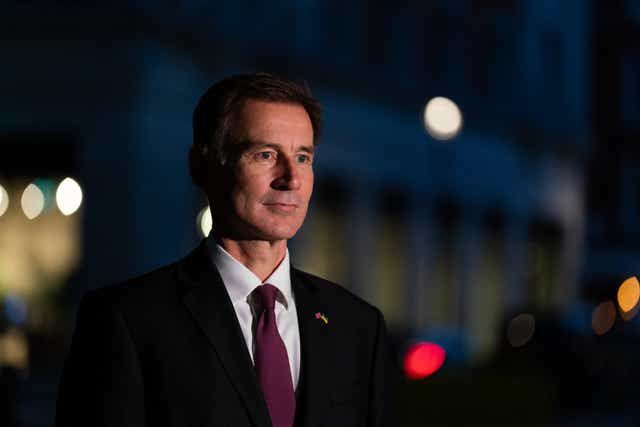

HM Treasury

He also stressed living standards are set to plunge to their lowest level in living memory . He added: “On some measures people may be an astonishing 30 per cent worse off than we might have expected had pre-financial crisis trends continued through to the mid-2020s.”

Following the Chancellor’s sweeping tax rises, set to hit middle and higher income earners the hardest, Britain’s tax burden is set to hit its highest levels since World War Two by 2027-28.

In a bid to plug a £55 billion gap in the public finances the Chancellors announced a “stealth tax” raid, freezing a wave of tax thresholds including on income tax, inheritance tax and National Insurance, which will raise billions in revenue for the Treasury in the coming years. Town halls were also given the go-ahead to increase council tax by up to five per cent, without a referendum.

The Energy Price Guarantee will be scaled back so the typical household bill will go up from £2,500 to £3,000 next April, with the windfall tax also being extended.

Whitehall spending will continue to rise by 3.7 per cent in 2023-24 and 2024-25, and then resource spending will go up by one per cent in real terms through to 2027-28, which is likely to mean cuts to unprotected departments.

To safeguard key public services, Mr Hunt announced an extra £3.3 billion in each year of 2023-24 and 2024-25 for the NHS. School budgets will get an additional £2.3 billion for each of these years. An extra £2.8 billion will be made available for adult social care in 2024-25. But with many of the tax changes and £30 billion worth of departmental spending cuts deferred until after the next election, due by January 2025, the IFS warned that economic conditions were set to get even tougher. “The truth is we just got a lot poorer,” Mr Johnson added.
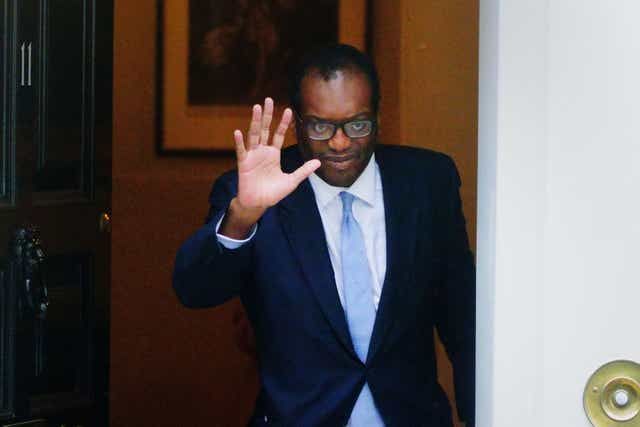


Alluding to the damaging effects of then chancellor Kwasi Kwarteng’s disastrous mini-budget in September, which sent the pound plunging and UK gilt yields rising, Mr Johnson said: “We are in for a long, hard, unpleasant journey; a journey that has been made more arduous than it might have been by a series of economic own goals.”

But while the IFS said Mr Hunt may have got the right balance with his plans to boost health and education spending now and offer more generous handouts to pensioners and those on benefits, the respected think-tank warned: “Things could turn out worse than predicted. If so the pain to come will be even greater.”

On plans to shunt the real squeeze on public services further down the track, Mr Johnson said that after the next two years “all the spending numbers should be taken with a large pinch of salt”.

And on the contentious decision to delay the cap on social care costs for two years he added: “First, it is awful that the social care reforms will not now be implemented next year as planned. I rather fear that another two-year delay amounts to a death knell for these vital changes.”

Mr Hunt admitted that the next two years will be challenging.

He told Sky News: “But I think people want a government that is taking difficult decisions, has a plan that will bring down inflation, stop those big rises in the cost of energy bills and the weekly shop, and at the same time is taking measures to get through this difficult period.”
Newsletter

Related Articles

0:00
0:00
Close
Northern Ireland Secures Additional Infrastructure Funding From UK Treasury
Wales Approves Port Investment Plans to Support Green Energy Supply Chains
UK Financial Regulator Simplifies Stock Market Rules to Attract More Listings
UK Reports Decline in Small Boat Crossings Across the English Channel
UK Government Creates Emergency Support Fund for Financially Pressured Universities
Scottish Government Launches Economic Strategy Focused on Innovation and Renewable Industries
UK Expands Sustainable Farming Incentives to Support Environmental Measures
UK Government Introduces New Neighbourhood Policing Standards Across England and Wales
UK Competition Regulator Opens Review of Artificial Intelligence Foundation Models
UK Deepens Indo-Pacific Security Cooperation After Talks With Singapore and Japan
UK Announces Rail Modernisation Plan for Northern England With New Infrastructure Funding
UK Government Updates Housing Planning Rules to Accelerate Residential Construction
UK Approves Major North Sea Offshore Wind Project to Support Clean Power Goals
UK Health Service Begins Major Digital Upgrade to Cut Hospital Waiting Times
Bank of England Holds Interest Rates Steady as UK Inflation Pressures Remain Persistent
UK Universities and Industry Expand Space and Defense Research Partnerships
House of Lords Approves Social Housing Bill Amendments on Shared Ownership Rights
House of Lords Advances Civil Aviation Bill With New Passenger Protection Measures
UK Government Suspends Tariffs on Fertilizer and Food Imports to Reduce Costs
Russell Group Universities Support New UK Business Department Focused on Innovation
UK Parliament Opens Inquiry Into Transport Barriers Facing Young Jobseekers
Home Builders Federation Calls for Lower Costs as New UK Government Sets Housing Priorities
Andy Burnham Meets UK Devolved Leaders to Strengthen Regional Cooperation
Andy Burnham Holds First International Calls With Trump, Macron, and Zelenskyy
Andy Burnham Reshuffles Cabinet With John Healey Appointed Chancellor of the Exchequer
Andy Burnham Government Removes VAT From Electricity Bills to Cut Household Costs
Andy Burnham Becomes United Kingdom Prime Minister After Sir Keir Starmer Resigns
Miliband Sets Climate and International Law at Centre of UK Diplomacy
US Gasoline Returns to $4 as Renewed Iran Fighting Disrupts Oil Flows
Czech Central Bank Governor Rejects Early Euro Entry and Rate-Cut Pressure
Trump Orders 50% Tariffs on Selected Canadian Imports
Pentagon Discloses Nearly 100 US Troop Injuries During Renewed Iran Fighting
Trump Readies New Tariffs as Temporary Global Levy Nears Expiry
US Judge Pauses Paramount Skydance and Warner Bros Discovery Merger Over Antitrust Concerns
NHS England Faces Growing Retention Pressure Among Younger Midwives
UK Data Centre Expansion Faces Water and Grid Capacity Challenges
UK Defence Shares Rise After John Healey Appointment and Continued Spending Commitments
OECD Urges UK Government to Review Pension Triple Lock to Protect Public Finances
Bank of England Keeps Cautious Approach as Energy Costs Threaten Inflation Progress
County Councils Call for Wider Devolution and Long-Term Social Care Funding Reform
IMF Urges UK Government to Maintain Fiscal Discipline as Growth Forecast Slows
Russian Warship Holds Live-Fire Exercises Near UK Coast as Royal Navy Monitors Activity
Mitie Agrees Three Point One Billion Pound Takeover by OCS in Another Blow to London Listings
JPMorgan Chase Warns Bank Levies Could Hit UK Growth and Drive Capital Away
UK Unemployment Holds at Four Point Nine Percent as Labour Market Shows Resilience
UK Government Borrowing Falls Below Forecasts as Treasury Receives Early Fiscal Boost
John Healey Cuts VAT on Household Electricity Bills After Cancelling National Digital ID Scheme
Andy Burnham Forms New Labour Government With Ten-Year National Renewal Plan
EU Imposes Record €550 Million Digital Services Fine on AliExpress
UK Publishes Updated Consumption-Based Carbon Emissions Data
×