Australia Pledges $1.5bn and Reopens Embassy Amid Ukraine's Intense Struggle Against Russia
Strategic diplomatic return and substantial aid mark Australia's deepening commitment to Ukraine amid shifting global alliances.
Australia's commitment to Ukraine surpasses $1.5 billion as it reinstates its diplomatic presence in the war-stricken nation.
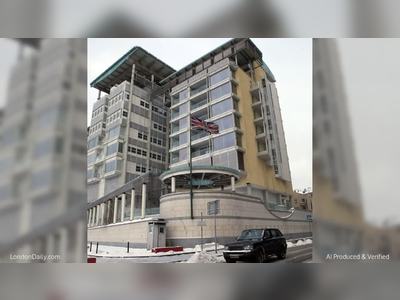
The nation's ambassador to Ukraine, Paul Lehmann, along with the deputy head of mission, is set to return to Kyiv in January, as announced by Foreign Affairs Minister Penny Wong.
The reopening comes after the Morrison government closed the embassy in 2022 with the eruption of conflict.
Minister Wong, speaking from Kyiv, underscored the Albanese government's assurance to reopen the embassy when safety permits.
Her visit highlights a significant shift in Australia's foreign policy approach towards the ongoing conflict, emphasizing direct engagement as a means to grasp the reality on the ground.
The November parliamentary inquiry that advocated for this diplomatic resumption cited a 'strong case' referencing the 70 other nations that have restored their embassies in Ukraine.
Wong's interactions with Ukraine's Prime Minister Denys Shmyhal, Foreign Minister Andrii Sybiha, and Energy Minister Herman Halushchenko further underscore Australia's dedication to fostering bilateral relations.
Welcoming Wong’s diplomatic engagement, Kateryna Argyrou, co-chair of the Australian Federation of Ukrainian Organisations, emphasized the importance of firsthand experience to comprehend the impact of Russia's aggression.
'To be in Ukraine is to feel the impact of Russia’s war,' Argyrou stated.
Australia's financial aid package includes $66 million directed to the European Bank of Reconstruction and Development for Ukraine's recovery efforts, alongside a $10 million contribution to the Ukraine energy support fund aimed at restoring power and heat for civilians.
These allocations elevate Australia's support for Ukraine to over $1.5 billion in humanitarian and economic assistance since Russia's invasion commenced nearly three years ago.
Wong articulated the broader implications of the conflict, stating that Ukraine’s resistance to Russian aggression bears consequences for Australia’s national security and regional stability in the Indo-Pacific.
'Australia stands with Ukraine against Russia’s aggression today and every day,' she asserted.
The global geopolitical landscape further complicates security concerns, as Argyrou pointed out, with increased cooperation between North Korea, China, and Russia.
Australian security strategy, she cautioned, hinges on adherence to international norms and laws, advocating for active defense of these principles.
In further support endeavors, Wong announced $80,000 for the Save Ukraine community organization, contributing to support for vulnerable families and children affected by the war.
Meanwhile, the parliamentary inquiry urged the creation of a 'one-stop-shop' by Defence and the Department of Foreign Affairs to streamline aid delivery to Ukraine.
Amid domestic critique over the scrapped MRH-90 Taipan helicopters being dismantled rather than donated to Ukraine, Australia's deepened involvement signifies a robust alignment with allies and a commitment to countering authoritarian expansion.
The nation's ambassador to Ukraine, Paul Lehmann, along with the deputy head of mission, is set to return to Kyiv in January, as announced by Foreign Affairs Minister Penny Wong.
The reopening comes after the Morrison government closed the embassy in 2022 with the eruption of conflict.
Minister Wong, speaking from Kyiv, underscored the Albanese government's assurance to reopen the embassy when safety permits.
Her visit highlights a significant shift in Australia's foreign policy approach towards the ongoing conflict, emphasizing direct engagement as a means to grasp the reality on the ground.
The November parliamentary inquiry that advocated for this diplomatic resumption cited a 'strong case' referencing the 70 other nations that have restored their embassies in Ukraine.
Wong's interactions with Ukraine's Prime Minister Denys Shmyhal, Foreign Minister Andrii Sybiha, and Energy Minister Herman Halushchenko further underscore Australia's dedication to fostering bilateral relations.
Welcoming Wong’s diplomatic engagement, Kateryna Argyrou, co-chair of the Australian Federation of Ukrainian Organisations, emphasized the importance of firsthand experience to comprehend the impact of Russia's aggression.
'To be in Ukraine is to feel the impact of Russia’s war,' Argyrou stated.
Australia's financial aid package includes $66 million directed to the European Bank of Reconstruction and Development for Ukraine's recovery efforts, alongside a $10 million contribution to the Ukraine energy support fund aimed at restoring power and heat for civilians.
These allocations elevate Australia's support for Ukraine to over $1.5 billion in humanitarian and economic assistance since Russia's invasion commenced nearly three years ago.
Wong articulated the broader implications of the conflict, stating that Ukraine’s resistance to Russian aggression bears consequences for Australia’s national security and regional stability in the Indo-Pacific.
'Australia stands with Ukraine against Russia’s aggression today and every day,' she asserted.
The global geopolitical landscape further complicates security concerns, as Argyrou pointed out, with increased cooperation between North Korea, China, and Russia.
Australian security strategy, she cautioned, hinges on adherence to international norms and laws, advocating for active defense of these principles.
In further support endeavors, Wong announced $80,000 for the Save Ukraine community organization, contributing to support for vulnerable families and children affected by the war.
Meanwhile, the parliamentary inquiry urged the creation of a 'one-stop-shop' by Defence and the Department of Foreign Affairs to streamline aid delivery to Ukraine.
Amid domestic critique over the scrapped MRH-90 Taipan helicopters being dismantled rather than donated to Ukraine, Australia's deepened involvement signifies a robust alignment with allies and a commitment to countering authoritarian expansion.