

7 fantastic cities in Europe you don’t have to fly to
Wondering how to plan a holiday without flying? Whether it's from an environmental or financial point of view, the answer is simple: travel by rail.
With growing awareness of the carbon footprint left by global tourism, train holidays in Europe are becoming increasingly popular. An extensive rail network means the continent is easily accessible by train, and the soul-stirring views en route make for memorable overland journeys.
From cultural hubs in the north to sunshine-soaked destinations in the south, we’ve picked seven fantastic cities in Europe that you don’t have to fly to.
For mountain scenery: Bern
Switzerland’s postcard-perfect capital is located on the banks of the River Aare and surrounded by the towering beauty of the snow-capped Alps. It’s also home to 6km of sheltered sandstone shopping arcades packed with independent cellar bars, cafés and craft shops. For the best views over the medieval Altstadt (Old Town), climb the 344 steps up to the top of Bern Cathedral, the country’s highest church tower at 101 metres.
Direct trains run to Bern from Paris and Frankfurt in 4.5 hours. From Brussels and London, the journey takes 7.5 hours with one change.
Plan your trip at myswitzerland.com.
For foodie delights: Florence
It’s impossible to pick just one gourmet hotspot in Europe, but Italy’s enchanting city of Florence is a particularly mouth-watering choice. Emphasising local, sustainable and seasonal food, Tuscan treats such as schiacciata flatbread and flavourful Florentine steak are often on the menu. Tuck into tagliatelle made with locally sourced truffle and porcini mushrooms, or go for wild boar pappardelle pasta, followed by arguably the best gelato in the entire country.
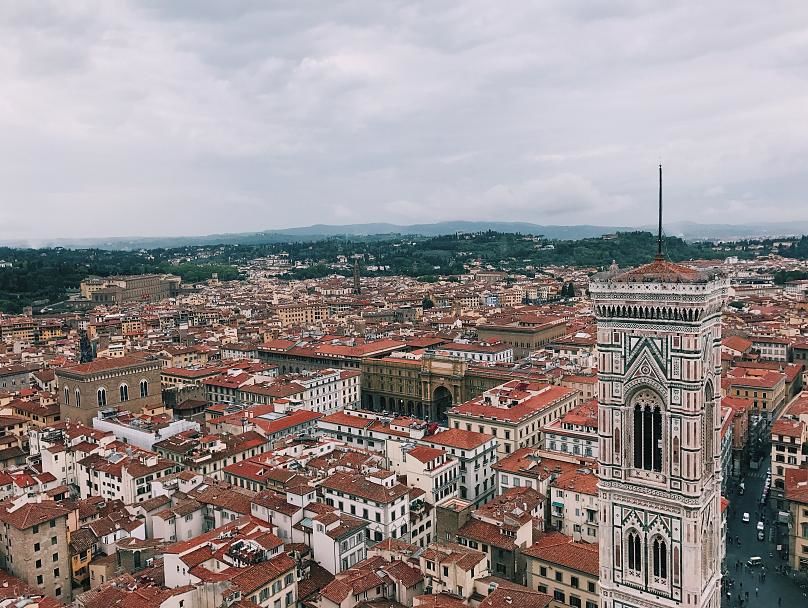
Night trains reach Florence in 10 hours from Munich, making the city an ideal destination for sleeper train holidays. From Geneva, the journey is under 6.5 hours.
Get inspiration at visitflorence.com.
For culture vultures: Amsterdam
Thanks to famous painters like Van Gogh and Rembrandt, Amsterdam is a city of iconic art. Home to the Dutch Masters’ works in the Rijksmuseum and the equally engaging modern pieces at the Stedelijk, it’s easy to see why the Netherlands' capital is considered one of Europe’s cultural hubs. Explore further and you’ll discover plenty more, from outdoor sculptures to tiny independent galleries.
You can catch a direct train from Frankfurt to Amsterdam in four hours, from London in just over 3.5 hours and from Paris in three.
Plan your visit at iamsterdam.com.
For sun-soaked sightseeing: Seville
Although a little out of the way, southern Spain’s Seville is a vibrant destination that generously rewards visitors willing to travel those extra miles. This is a city steeped in history, with architectural highlights ranging from the world’s largest Gothic cathedral to the exquisite Royal Alcázar palace. A sultry, sun-drenched setting of winding lanes, heavenly tapas and Flamenco dancing, it will most definitely leave its mark on you.
Seville is 2.5 hours by direct train from Madrid. A trip from Paris or Lisbon takes 12 to 13 hours.
Organise your flight-free trip at spain.info.
For intriguing architecture: Cologne
Germany’s Cologne is a fascinating blend of ancient Roman walls and medieval churches. The twin spires of its Kölner Dom cathedral are an iconic part of the skyline, and the view over the city’s eye-catching sprawl from the South Tower is well worth the 533-step climb. This structure also houses the world’s largest free-swinging bell, weighing in at 24 tonnes.
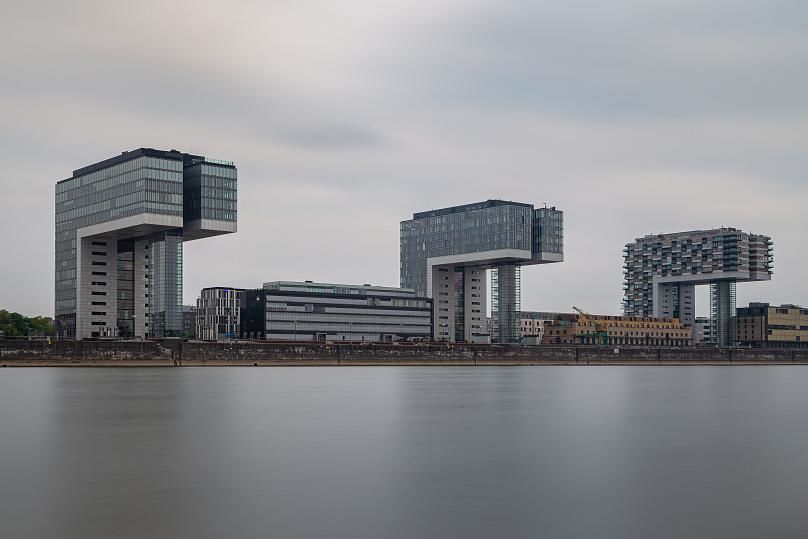
You can travel to Cologne from London in 4.5 hours, changing in Brussels. From Paris, the direct journey is three hours, making it an ideal option for your train holidays in Europe.
Find out more at cologne-tourism.com.
For lush vineyards: Bordeaux
Arguably the wine capital of France, Bordeaux delights visitors with its neat and pretty vineyards. Here you can tour some of the hundreds of aristocratic wine estates, or châteaux, to learn more about the wine-making process and sample the end product. In the city itself, the ultra-modern Cite du Vin museum is an impressive venue dedicated to bringing wine and its heritage to a younger generation through immersive exhibitions.
Bordeaux is two hours by train from Paris. You can get there from London or Amsterdam in around 5.5 hours with one change or in 4.5 hours from Brussels.
Plan your trip at bordeaux-tourism.co.uk.
For imperial grandeur: Vienna, Austria
Austria’s capital is renowned as the world’s City of Music thanks to a heritage that includes Mozart, Beethoven, Brahms and Strauss. Visit the world-famous Musikverein, where the Vienna Philharmonic Orchestra play, or explore the interactive exhibits at the innovative Haus der Musik museum. Alternatively, discover the imperial legacy left by the Habsburgs at the Hofburg Palace, which dates back to the 13th century and is one of the world’s largest palace complexes.
You can reach Vienna from Paris in 10 hours with one change, or from Brussels in 11. A direct journey from Frankfurt takes just 6.5 hours.
Compose your visit at wien.info/en.
Covid-19 advice
Please note that there are currently travel restrictions in place due to COVID-19. Depending on which country you visit, restaurants, bars and museums may be closed. Always check government advice before making any bookings.