LONDON DAILY ARCHIVE
Working Yet Homeless: Struggling at the Bottom of the Housing Waiting List
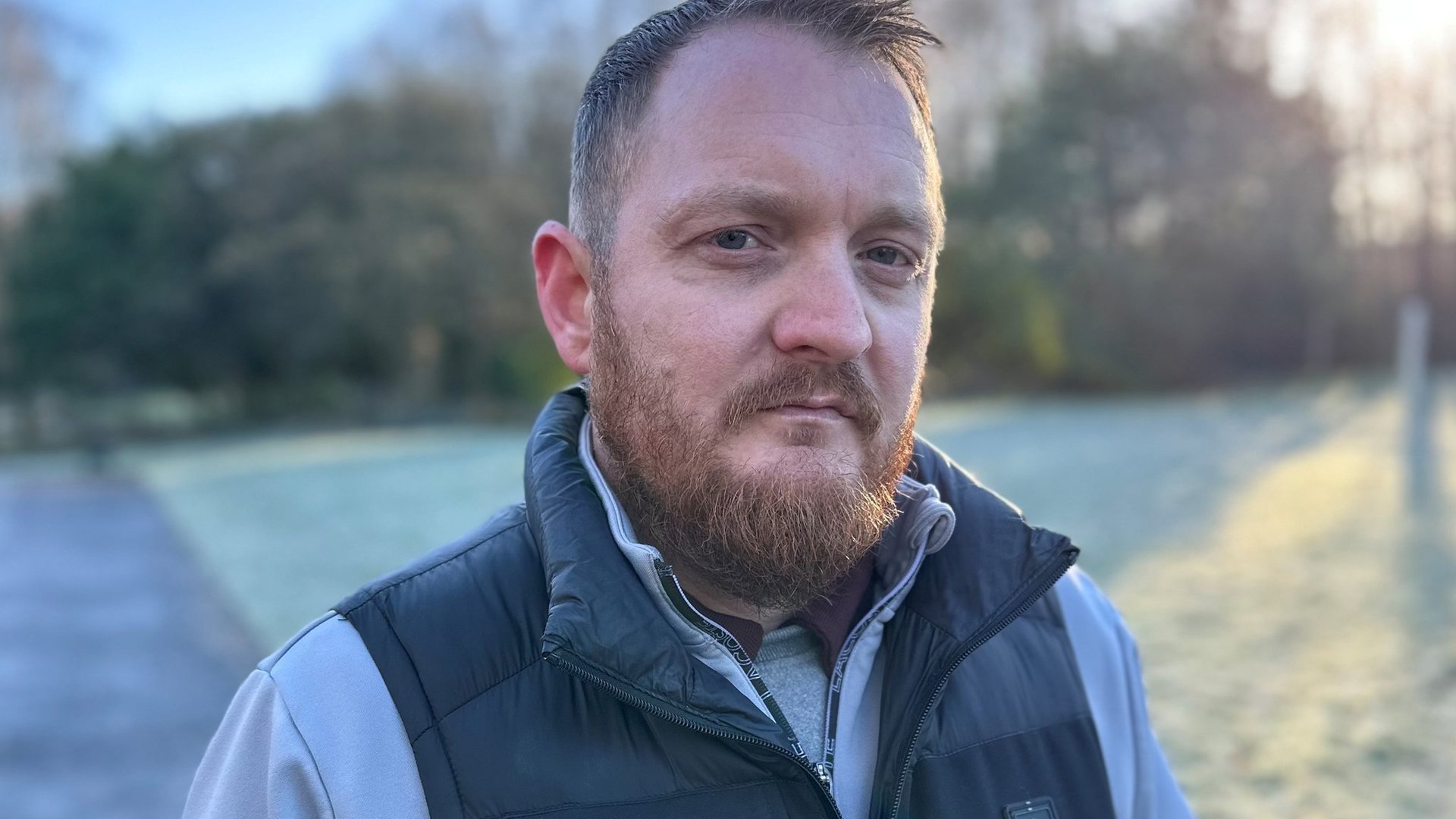
Daniel Thomson, a 37-year-old chip shop worker in Glasgow, is one of many in Scotland facing "core homelessness."
21 January 2024 · 21:25 UTC

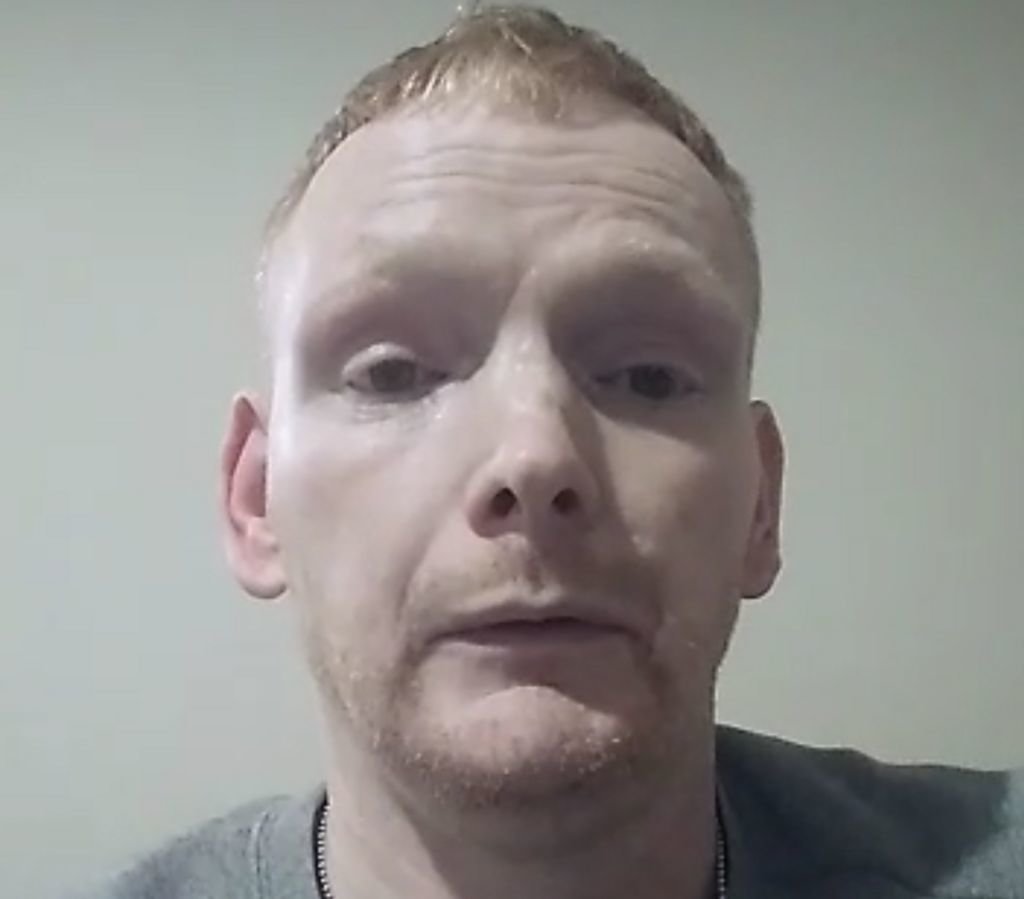

Due to a lack of disabilities or drug issues, he's been informed by housing associations that he's not a priority, leaving him with little hope of climbing the housing list without a change in circumstances.
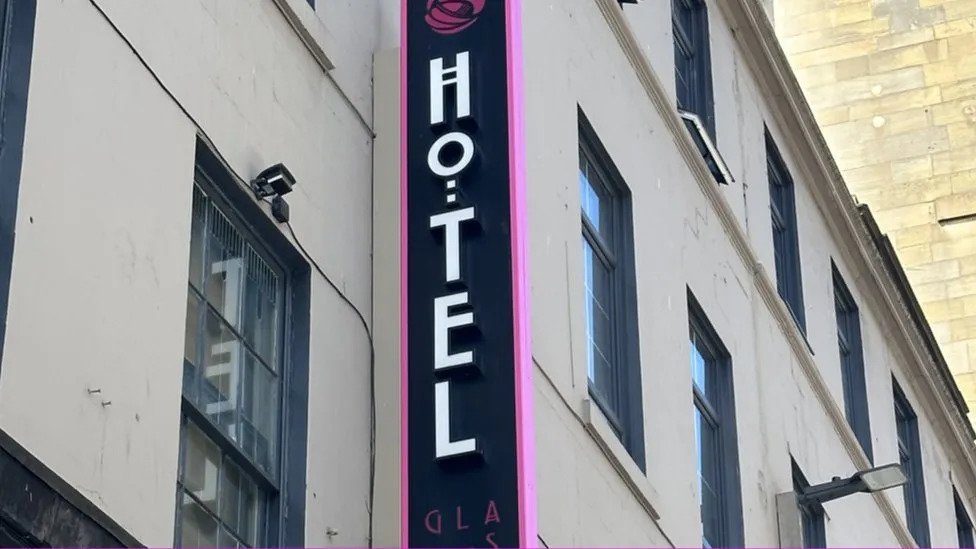
He was presented with the costly option of homeless accommodation at £100 per night, a solution that could lead to significant debt.
His brother's death in homeless accommodation and the prevalence of drug issues in such settings has discouraged him from considering hostels, fearing it would also prevent him from seeing his daughter.
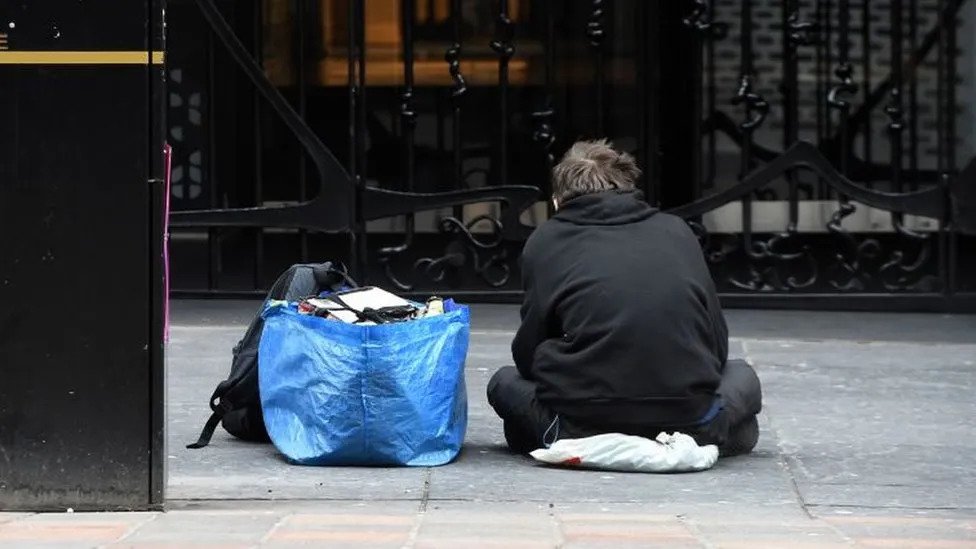
According to the charity Crisis, over 18,400 households are dealing with core homelessness each day in Scotland, a figure expected to rise by a third by 2026.
This comes as Glasgow City Council reports an increase in drug deaths in hostels and plans to cut £4.9m from its homelessness budget.
The Scottish government's response to homelessness has been a focus since 2017, and while concerning trends emerge, researchers suggest comprehensive policies could prevent increases in homelessness.
The upcoming Housing Bill may address these concerns, driven by an urgent need to accommodate the vulnerable, with Crisis urging proactive measures to help people at risk of homelessness sooner and place greater responsibility on public services to prevent it.
While the UK government has pledged £2bn to combat rough sleeping in England, Crisis calls for more robust action, including raising Housing Benefit to alleviate pressures faced by those struggling to secure affordable housing.