LONDON DAILY ARCHIVE
Women affected by the UK's state pension age increase seek £10,000 compensation
1950s-born women impacted by equalizing the state pension age with men demand redress.
22 March 2024 · 01:41 UTC






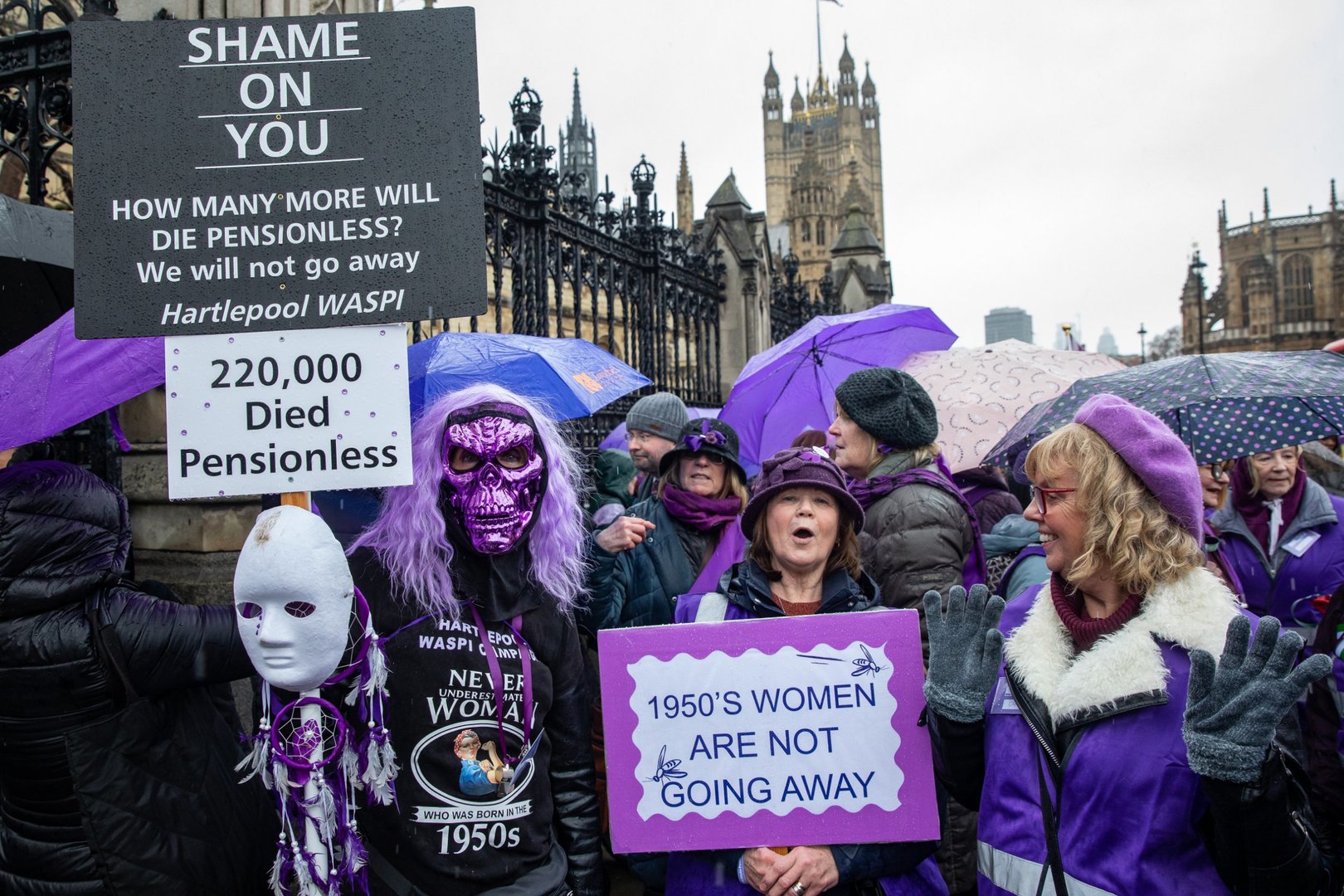

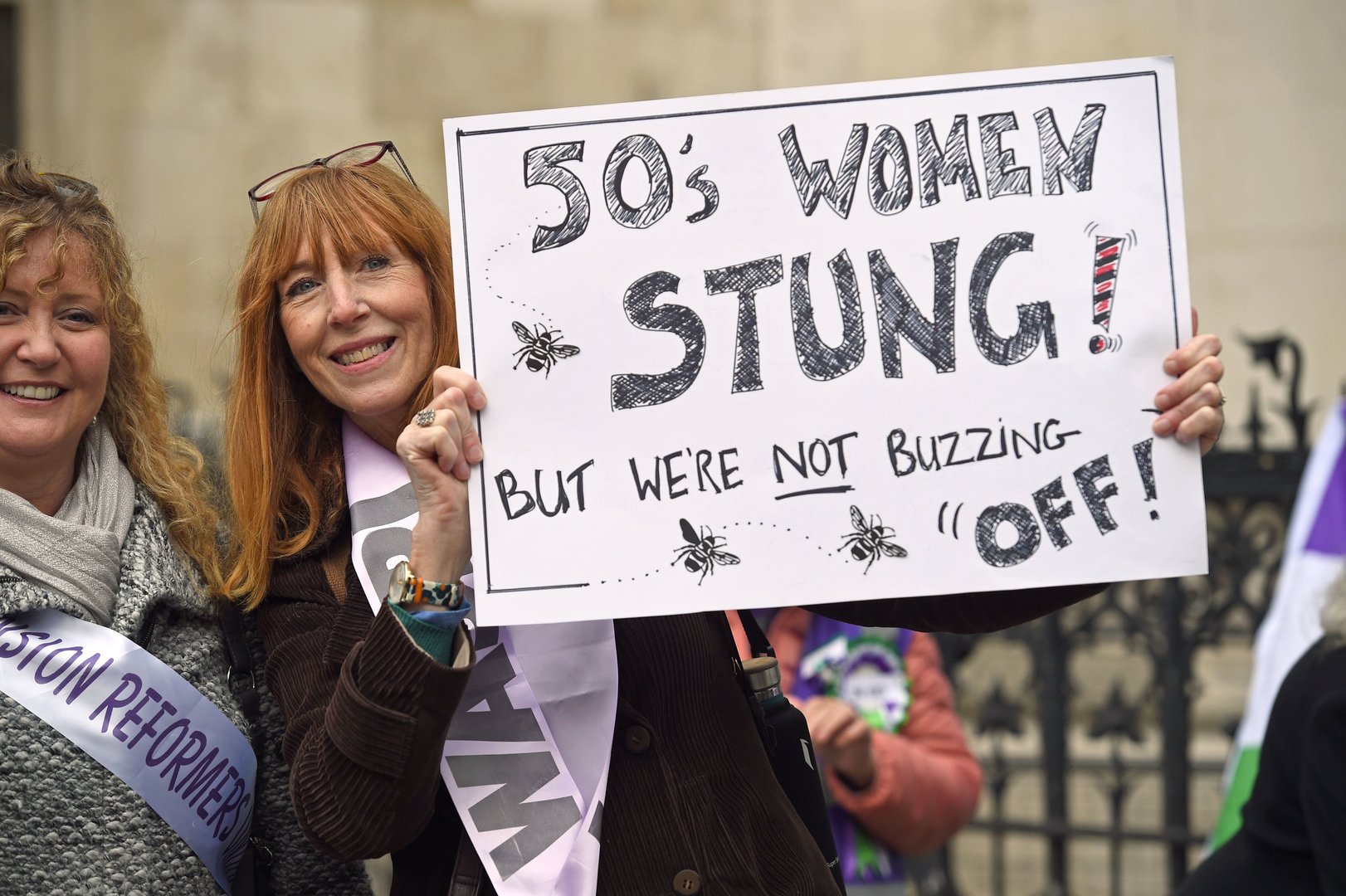
The investigation questions if the Department for Work and Pensions (DWP) adequately informed women about the pension age rise. The government has pledged to review the report before responding.
However, the report criticizes the DWP for its unwillingness to follow compensation suggestions, deemed "unacceptable" by the Parliamentary and Health Service Ombudsman (PHSO), which lacks enforcement power.
The PHSO urges the DWP to act responsibly and be accountable.
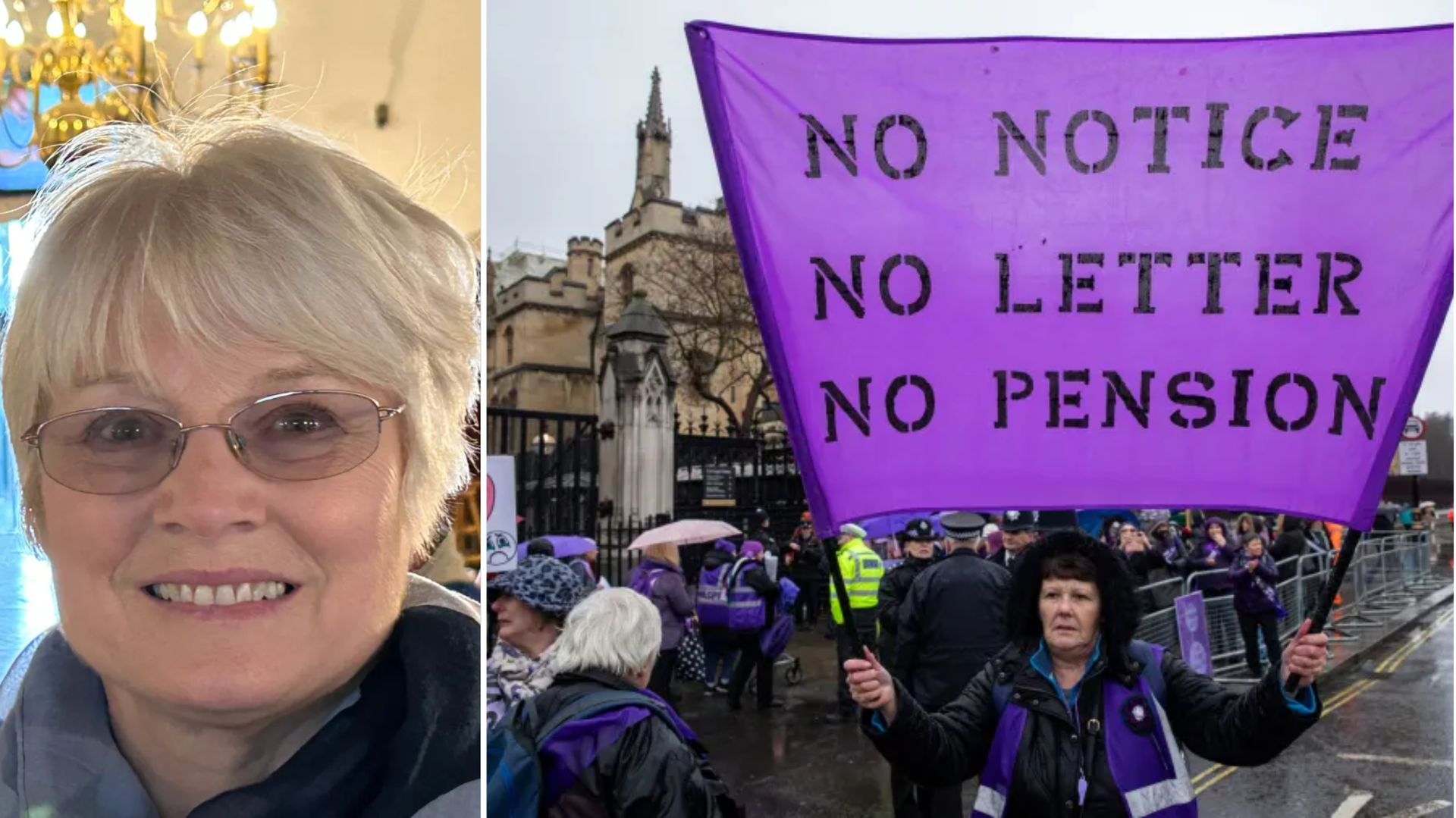
Michele Carlile recalled her shock upon learning she didn't qualify for her state pension at 60, resulting in significant personal and financial strain.
The pension age for both genders is now 66, although it was previously set at 65 for men and 60 for women. The 1995 Pensions Act initiated the age equalization process, which was expedited by the 2010 coalition government.
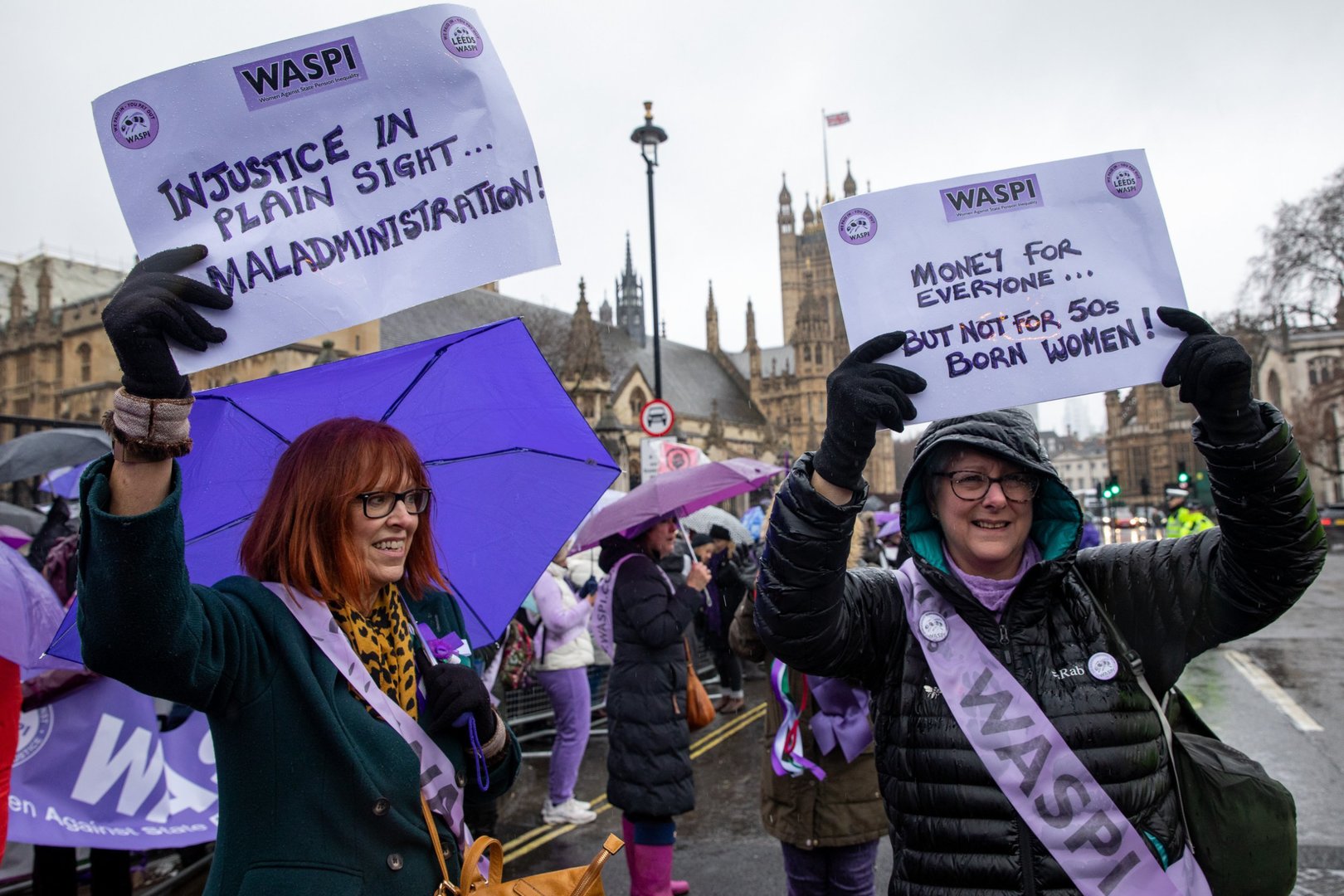
Campaigners argue that swift changes and poor communication have unfairly disadvantaged 1950s-born women, causing many to suffer.
While the PHSO has recommended compensation, the DWP disagrees, casting doubt on any potential remedy. The PHSO has consequently sought Parliament's intervention.
The government asserts it remains committed to fairly supporting pensioners and taxpayers.
Labour has committed to scrutinizing the report but hasn't promised compensation should they come to power.
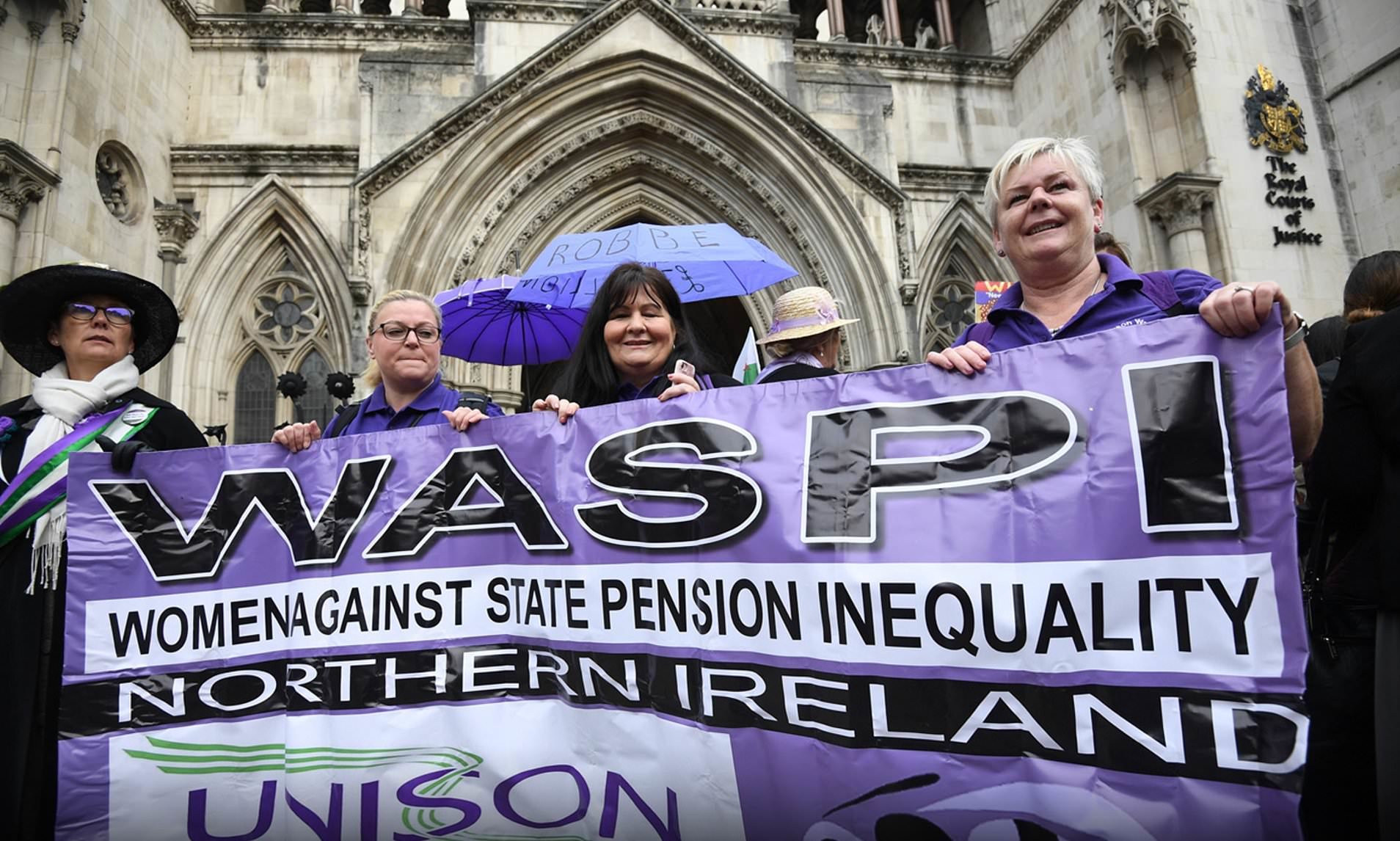
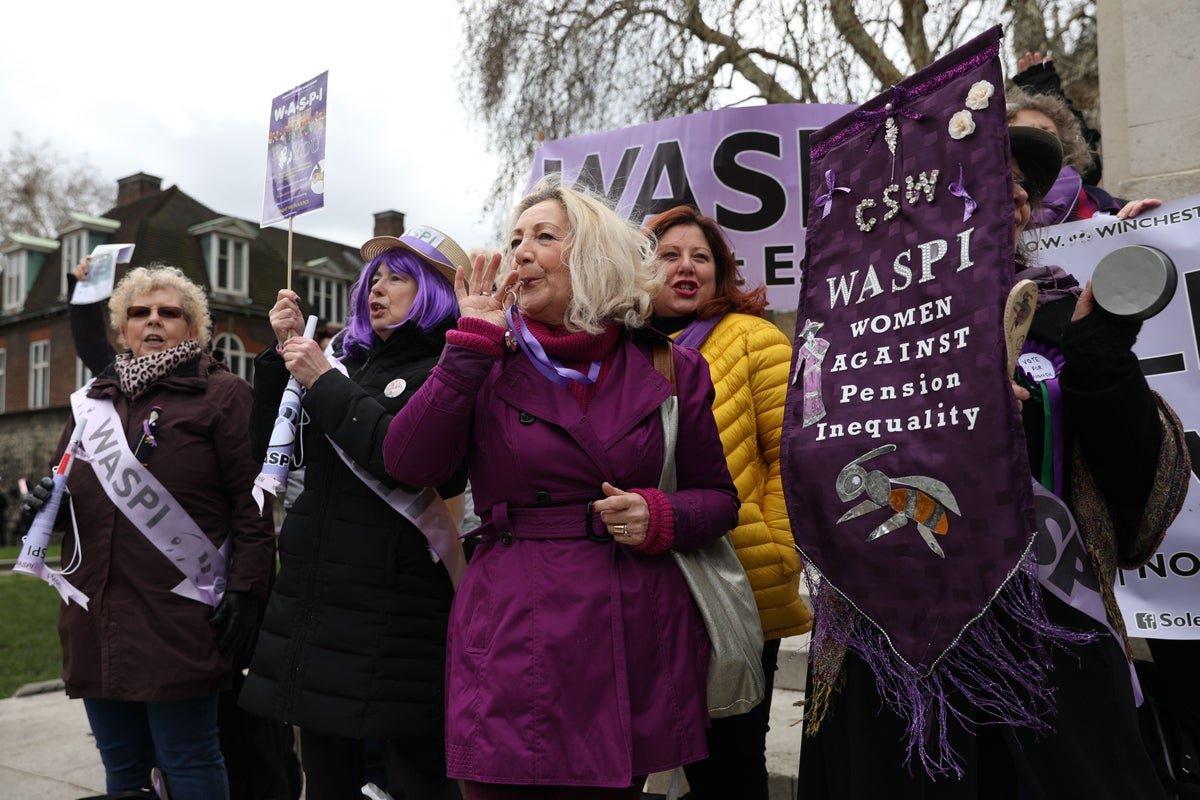
Campaign group Women Against State Pension Inequality (Waspi) praised the report's acknowledgment of injustice but seeks more compensation than suggested. They argue that the government saved £181bn through clandestine methods and delayed communication, a strategic move they deem political.
70-year-old Pat Pollington highlighted the uncertainty of receiving any compensation and the risk that delays might outlive some claimants.
Meanwhile, Ms. Carlile, who retired prematurely due to health issues, anticipates more substantial compensation than the report advises.