Extensive Underground Network: Hamas has built a vast underground infrastructure, making it hard for any ground operation to locate and engage their fighters effectively.
Organized Civilian Population: Gaza's civilians are well-organized, complicating efforts to differentiate between combatants and non-combatants. The use of human shields adds to the complexity.
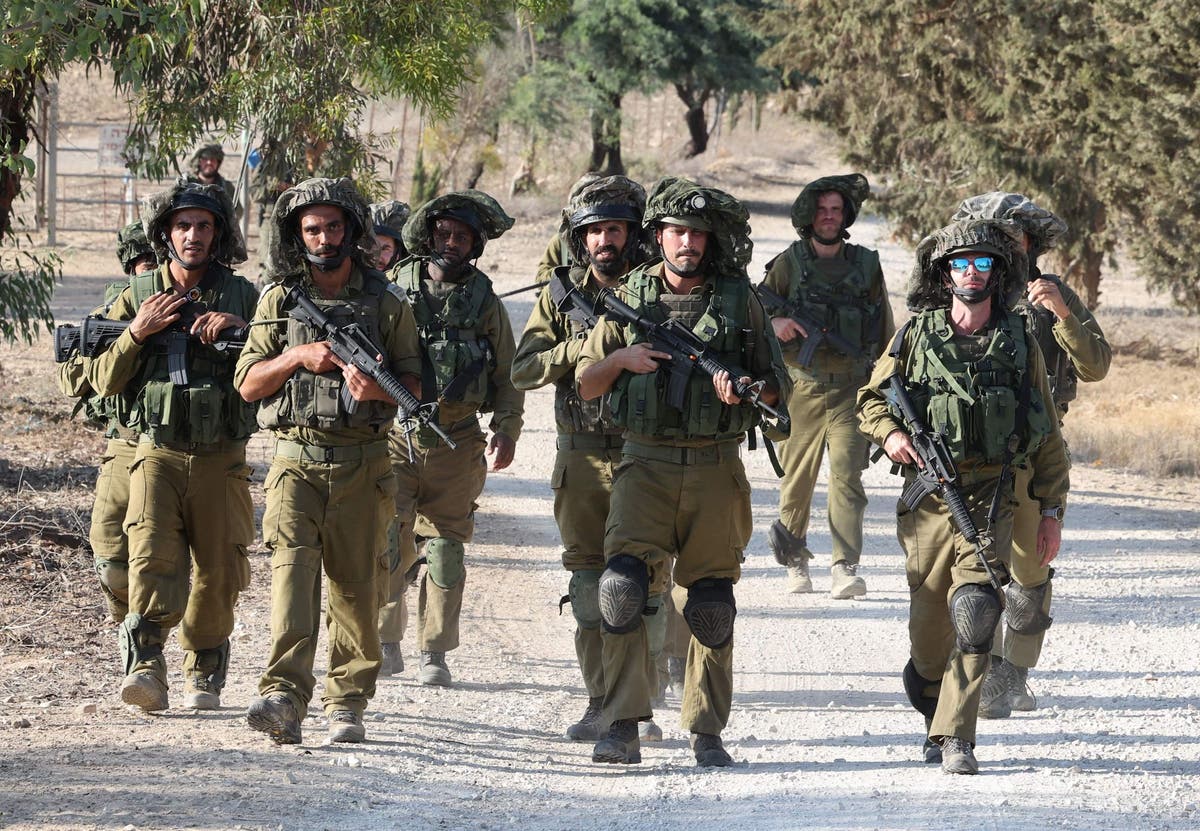
Urban Warfare Complexity: Urban warfare is slow, destructive, and risky, particularly in densely populated areas. The IDF relies on both highly trained soldiers and citizen soldiers with limited combat experience.
Global Information Exposure: Actions in Gaza quickly gain global attention, influencing international opinion and military decisions.
The IDF's plan aims to eradicate Hamas fighters in Gaza and seal off the Strip. However, this may prove challenging due to Hamas's external support and dispersed leadership, alongside potential West Bank violence and broader regional strategies.
Furthermore, Prime Minister Benjamin Netanyahu's alignment with ultra-Orthodox factions complicates the path to a two-state solution and fuels demands for a Jewish theocracy.
Israel's military faces complex obstacles in Gaza, amplified by the extensive underground network, organized civilian population, urban warfare dynamics, and global information exposure. Political factors add further complexity to the situation.