

What to eat when you have Covid (or are in recovery)
If you’re really ill with it, you may want to forget about eating entirely, or wonder if you should be eating something specific to keep your strength up.
Perhaps you’d like to find out if there’s anything you should avoid, or what to eat to improve your immune system in future.
Unfortunately, there are no magic food groups that will suddenly make you Covid-free.
But there are plenty of things you can do if you’re struggling to eat enough, have lost your sense of taste, or just want to embark on a healthy diet moving forward.
Here’s everything you need to know.
What types of foods should you eat when you’ve got Covid?
Firstly, it’s important to reiterate that nothing you eat can help prevent Covid or magically make your infection disappear.
The World Health Organisation (WHO), as part of its recommended healthy diet for the pandemic, makes this clear: ‘While no foods or dietary supplements can prevent or cure COVID-19 infection, healthy diets are important for supporting immune systems.’
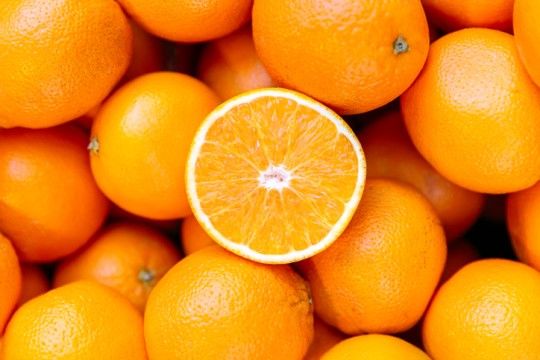
There are immune-boosting foods (like ginger and citrus fruits) you can eat, to generally promote good immune system health.
And everyone should get the right amount of Vitamin D, as early studies showed it could play a small role in helping beat the virus.
Still, WHO recommends everyone eats a balanced diet of:
* Fresh fruit
* Vegetables
* Legumes (such as lentils)
* Wholegrains (rice, oats, bread)
* Animal products (if appropriate, such as dairy, meat, eggs).
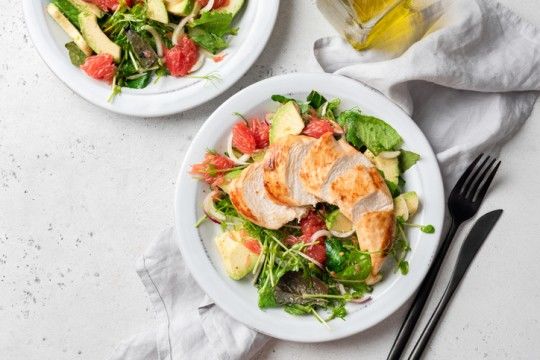 It’s a good idea to eat protein too
The UN agency also recommends steering clear of too much salt and too many sugary treats. Everything in moderation.
This advice, however, applies to everyone – not just people who’ve come down with the virus.
Those who are unwell should eat healthily as above – but need to make sure they’re eating plenty of protein, too.
You can typically find lots of protein in:
* Poultry, including chicken and turkey
* Fish, including seafood
* Eggs
* Dairy, such as milk, cheese and yoghurts
* Soya dairy alternatives, including soya milk
* Tofu
* Lean red meat, such as beef or pork
* Chickpeas, lentils, beans and pulses
* Nuts (watch out for heavily-salted types)
* Peanut butter.
Meal options could include omelettes, chicken noodle soup, paella, chilli, burrito bowls, these Joe Wicks protein pancakes or one of these four protein-packed smoothie recipes.
Eating enough calories while you are unwell is also important. Your body needs the calories from food to turn into energy, which it uses to keep all of its processes ticking over.
So, if you can’t manage big meals, try snacking. You could also drink high-calorie ‘supplement’ or ‘nourishment’ drinks, which should be available in your local pharmacy.
Make sure you speak to your GP to discuss your individual circumstances.
What should you eat when you’ve lost your sense of taste?
 Drinking fluids is important
One of the main symptoms of Covid is a loss of taste or smell.
Naturally, when you’ve lost these senses, eating can be a real challenge.
Again, snacking, eating little and often, or trying nourishment drinks can help if you’re struggling.
If you have an appetite – but smell or taste loss is dampening the mood – it might be time to experiment with your diet.
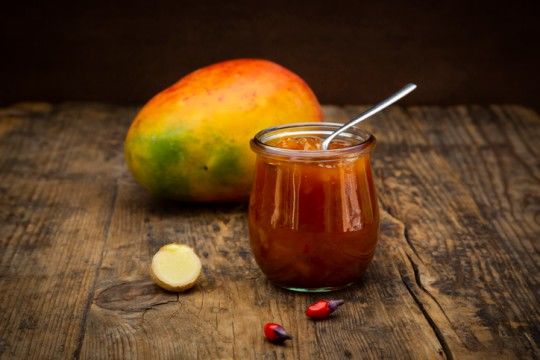 If you can’t taste, one NHS Trust recommends strong-tasting foods like chutney
South Warwickshire’s NHS Trust says to attempt a few foods you won’t normally eat. They might taste better than the ones you’re used to (and can remember what they’re supposed to taste like).
Sharp-tasting foods, drinks and condiments – such as citrus fruits, vinegars, chutney, lemonade, mint sauce, curry powder or sweet and sour sauce – might elicit some taste as an accompaniment to plainer dishes.
You could also try chewing gum, sucking on lollies or mints to try and increase your mouth’s saliva.
MD Anderson Cancer Centre in the US recommends opting for chilled or frozen foods over warm ones – as some patients struggling without taste prefer a cooler temperature.
As for what you should eat generally if you’re recovering from the Covid – the advice is clear: lots of fluids and protein.
An NHS document about eating and drinking for those recovering from the virus, published by Homerton Hospital in London, says those healing from Covid should drink more fluids than usual, recommending people set a target of two jugs of water a day.
It’s also recommended those who are recovering eat a lot of protein to keep their strength up: three portions per day.
Even once the virus is gone, you still need to eat plenty of calories – in order to have enough energy to properly recover from your illness.
If you are having a tough time eating, speak to your GP or a healthcare professional for further guidance as soon as possible.
Anyone with concerns about their diet, especially when connected to an illness, should speak to their doctor.

