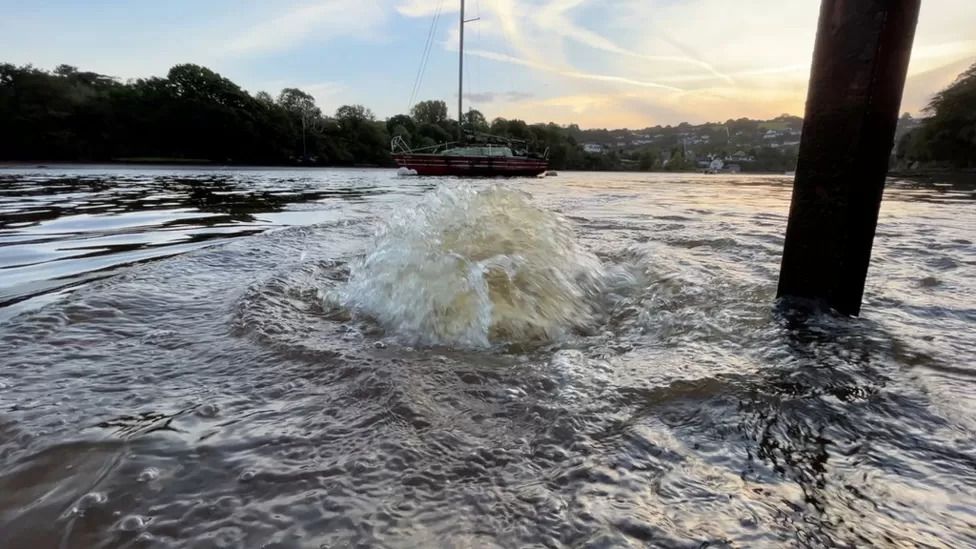
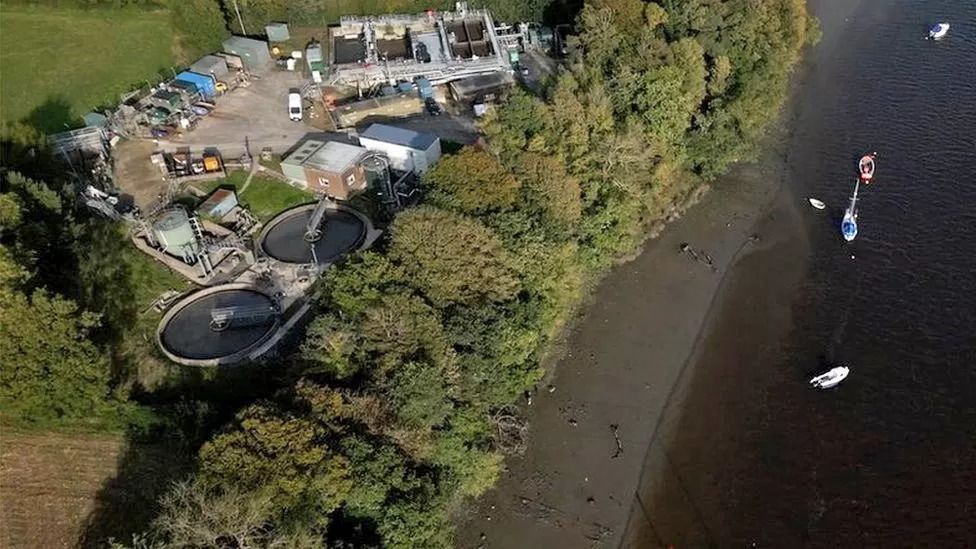
The UK uses a combined sewerage system, permitting sewage discharge during heavy rain to prevent overflows. However, releasing sewage before reaching the authorized overflow limit is illegal. Data analysis by Peter Hammond from the Windrush Against Sewage Pollution (WASP) campaign revealed that 10 out of 11 Welsh treatment plants have unlawfully discharged sewage. Cardigan, in particular, experienced numerous violations.
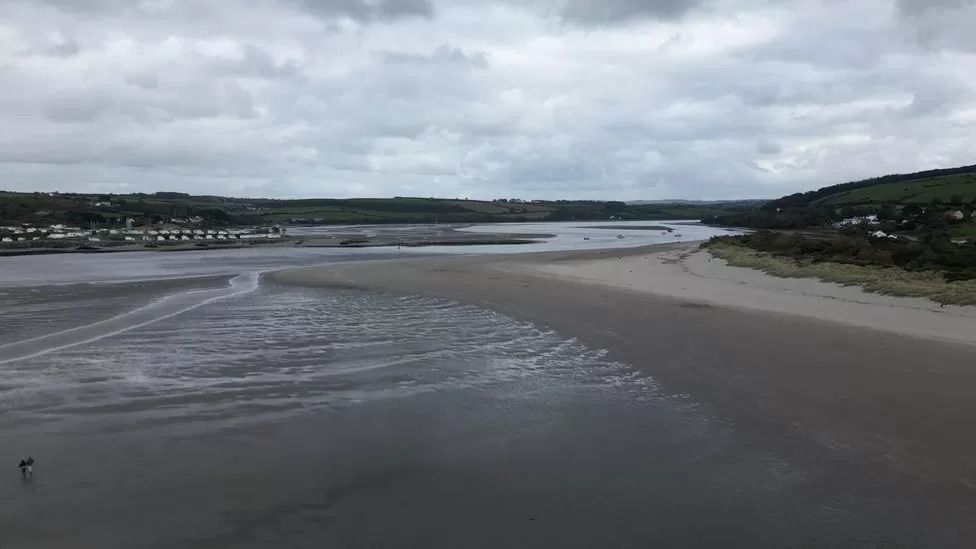
Welsh Water acknowledges having 40 to 50 wastewater treatment plants currently breaching their permits. They prioritize plant improvements based on customer bills, emphasizing no measurable environmental impact from Cardigan estuary spills. Environmental groups express concerns about the lack of regular monitoring in the River Teifi, designated an SAC, flowing into Cardigan Bay, home to bottlenose dolphins.
Regulator Natural Resources Wales (NRW) has known about Cardigan issues for eight years but has issued no fines, only enforcement notices. NRW is now reviewing data from 101 Welsh Water treatment plants with premature spills.
Cardigan's sewage problems trace back to 2004 when a unique treatment system was installed. Saltwater intrusion during Spring tides disrupts the system, causing untreated sewage spills.
A new £20 million treatment plant in Cardigan is planned for 2025. The situation raises concerns about the responsibilities of Welsh Water and NRW in enforcing permits and penalties. In England, regulators are conducting their largest-ever criminal investigation into potentially illegal sewage spills by examining flow rates through treatment plants.