LONDON DAILY ARCHIVE
Welsh Rail Investment Prioritized Amid HS2 Funding Controversy
Welsh Secretary Jo Stevens pledges to address decades of underfunding, but challenges loom in securing resources for rail improvements in Wales.
16 January 2025 · 02:56 UTC
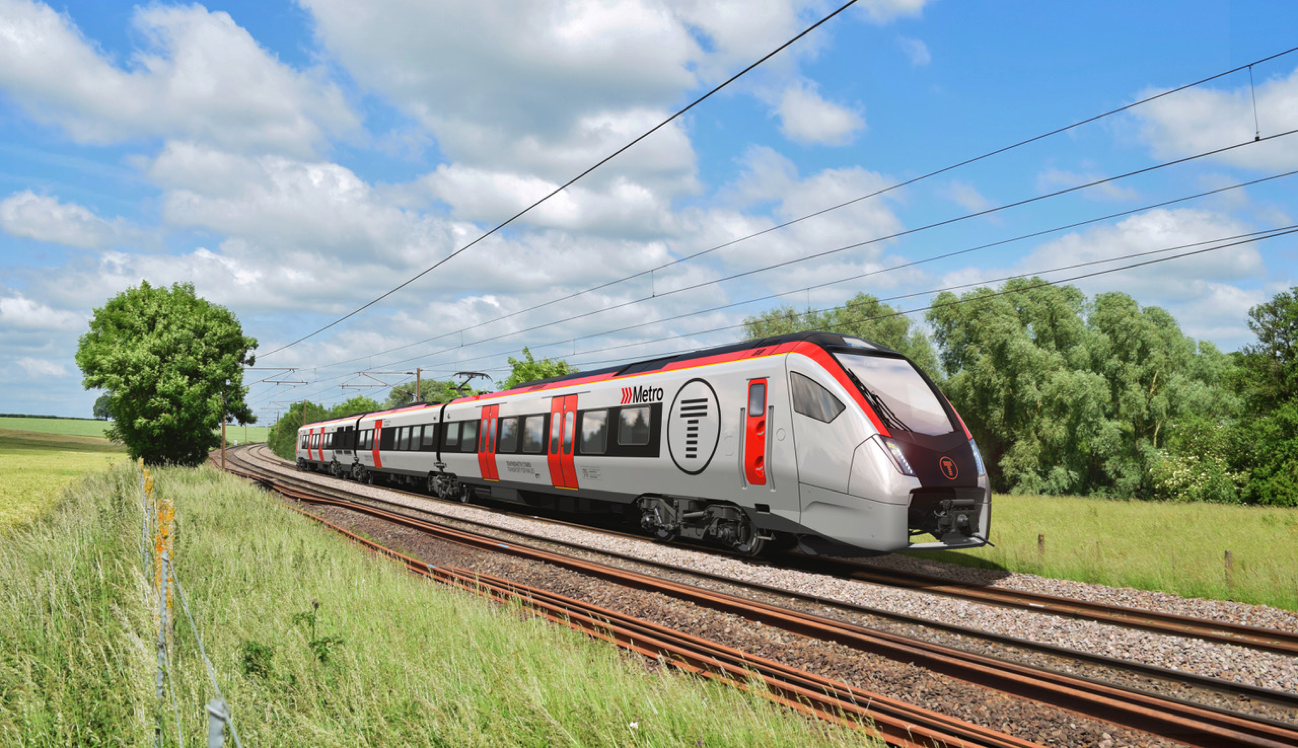
In a recent session at the Commons’ Welsh Affairs Committee, Welsh Secretary Jo Stevens declared that addressing the rail settlement's inadequacies for Wales was a 'top priority' following contentious discussions over the High-Speed 2 (HS2) rail project.
Jo Stevens, who recently assumed her role, outlined her commitment to advocating for 'sustainable funding' from the Treasury.
Her statement follows comments by Eluned Morgan, the First Minister of Wales, who emphasized that Wales has historically been disadvantaged in terms of rail funding.
The core grievance stems from HS2 being classified as an England and Wales project, thus precluding Wales from accessing additional consequential funding—an exclusion that Plaid Cymru estimates has cost the nation approximately £4 billion.
In contrast, both Scotland and Northern Ireland have received extra funding.
Addressing the committee, Ms. Stevens was candid about Wales’ rail settlement, describing it as “not good enough.” She attributed this situation to 14 years of insufficient investment by previous governments, a legacy she is determined to overturn.
Ms. Stevens revealed ongoing collaborations with the Welsh Government’s Transport Minister, Ken Skates, and the UK's Department for Transport.
These discussions have purportedly reached a consensus on a strategic 'direction of travel' intended to secure new rail investments for Wales.
In a joint communication with Transport Secretary Heidi Alexander to the Welsh Government, Ms. Stevens acknowledged the negligible enhancement spending on Welsh railways, particularly against major undertakings such as HS2.
The letter highlighted specific projects for prioritization, as identified by the Wales Rail Board, including railway upgrades in south-east Wales, new stations between Cardiff and the Severn Tunnel, and improvements on the North Wales mainline, alongside enhanced connections between Wrexham and Liverpool.
Emphasizing the complexity of the issue, Ms. Stevens informed the committee that resolving the legacy of underinvestment would be a gradual process.
'Both governments are clear that we must break this cycle of underinvestment,' she assured, while remaining noncommittal on whether HS2 should be reclassified as a project exclusive to England.
This reclassification has been a persistent demand from Plaid Cymru and other Welsh figures, who argue for a fair allocation based on Wales' specific needs.
During the session, Ms. Stevens was unable to specify a timeline or the amount Wales might receive, as such decisions are subject to the upcoming Government spending review.
However, she emphasized her dedication to championing the interests of the Welsh rail-commuting public.
First Minister Baroness Morgan expressed hope that forthcoming funding would be substantial, commenting on the UK Government's apparent acknowledgment of past funding inequities.
Despite this newfound recognition, Plaid Cymru’s Llyr Gruffydd MS critiqued the perceived over-conflation of issues by the First Minister and dismissed recent assurances as insufficient in addressing 'the unfairness of HS2' or the full £4 billion he believes is owed to Wales.
A spokesperson for the Labour Party highlighted the chronic underinvestment suffered by Wales under successive Conservative governments, including HS2.
While acknowledging that reversing historical injustices poses a formidable challenge, they reiterated a pledge to advocate for a robust pipeline of future rail projects across Wales, signifying a potential departure from previous decades of neglect.