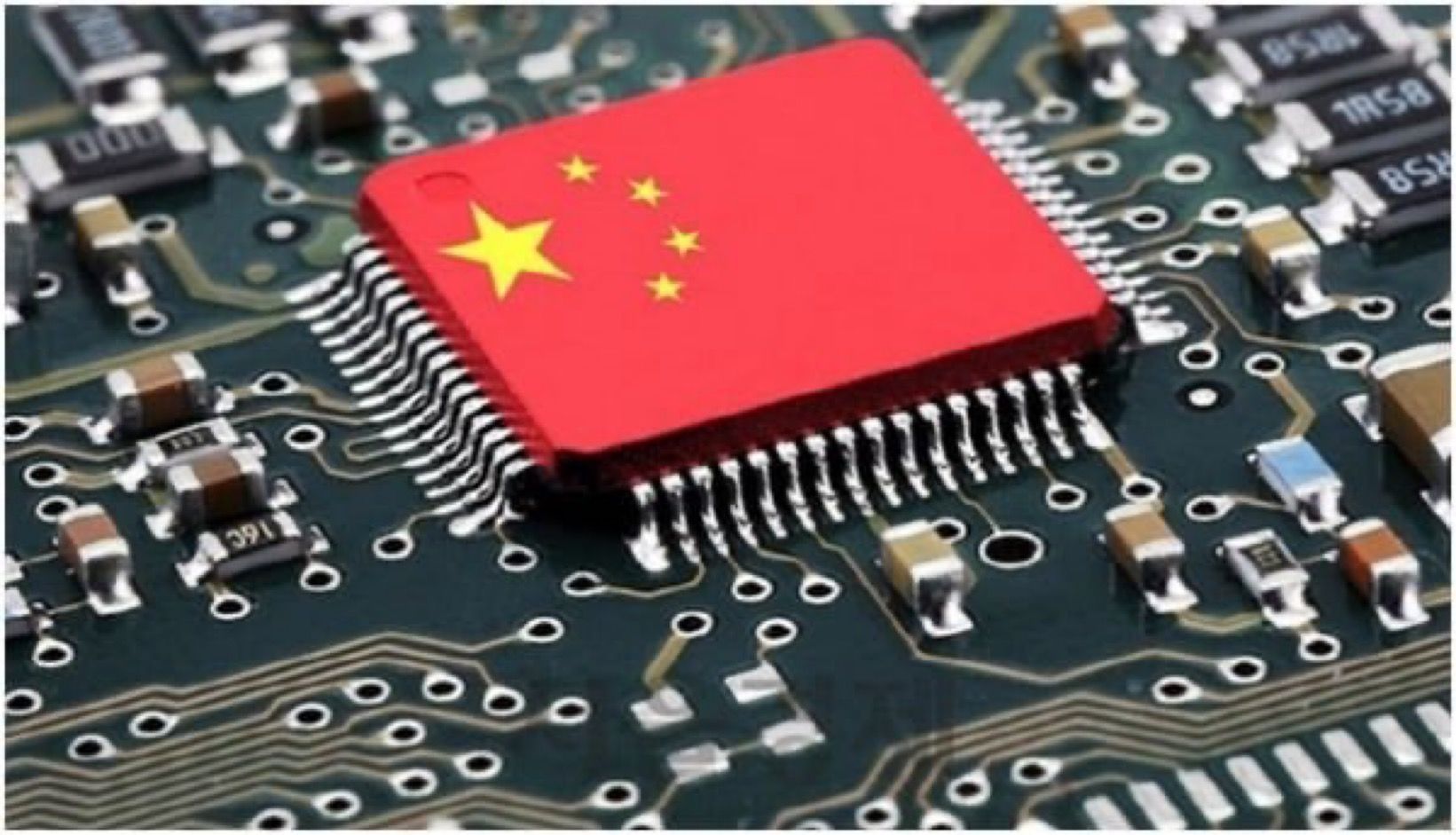
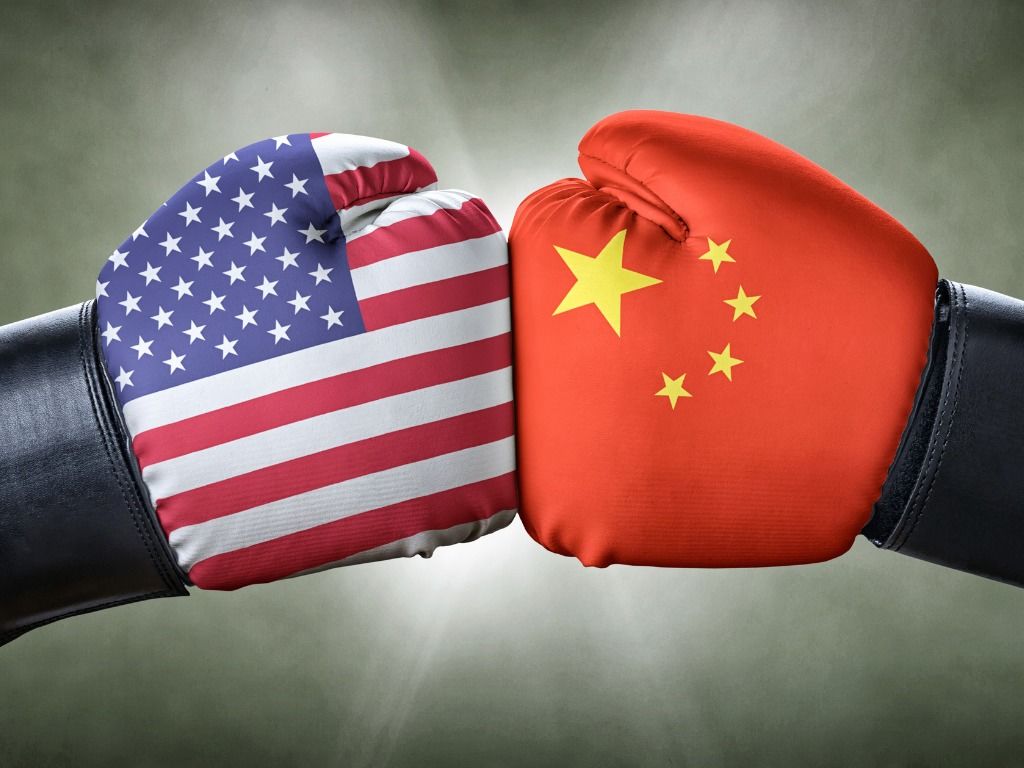
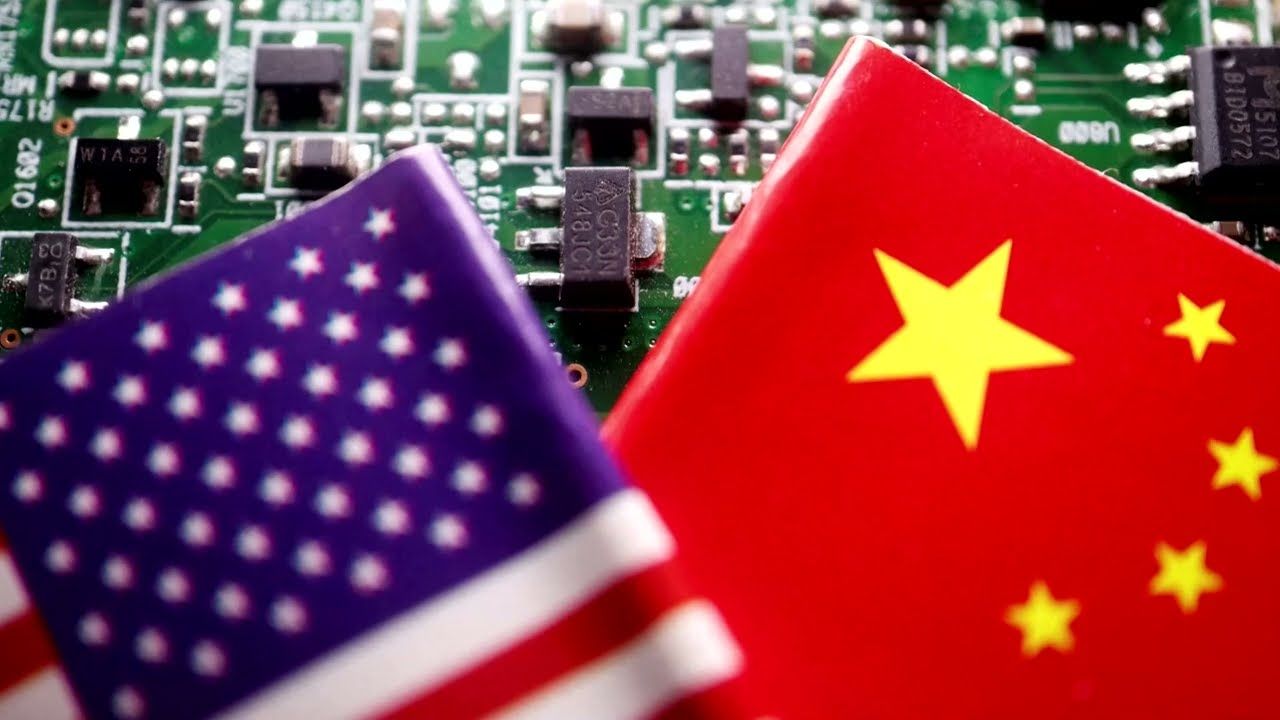
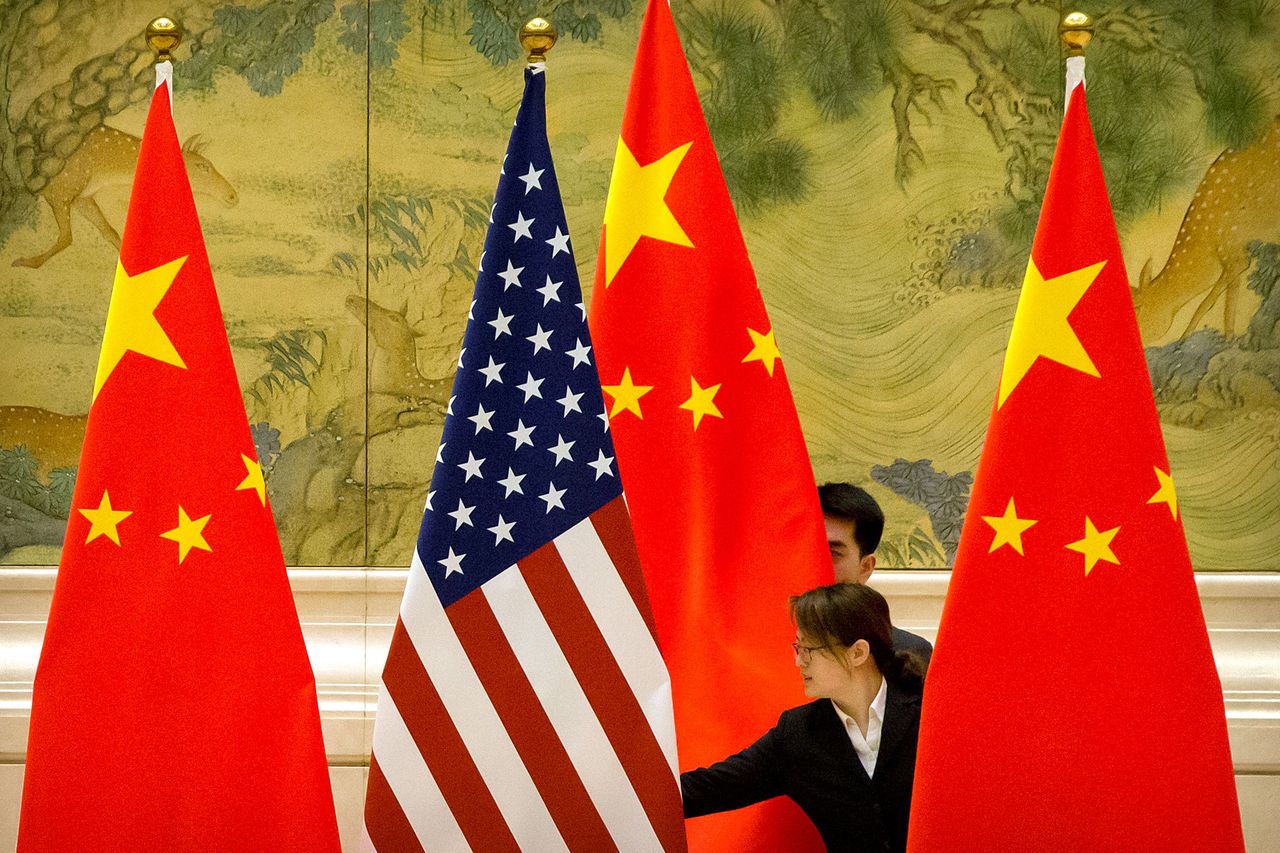
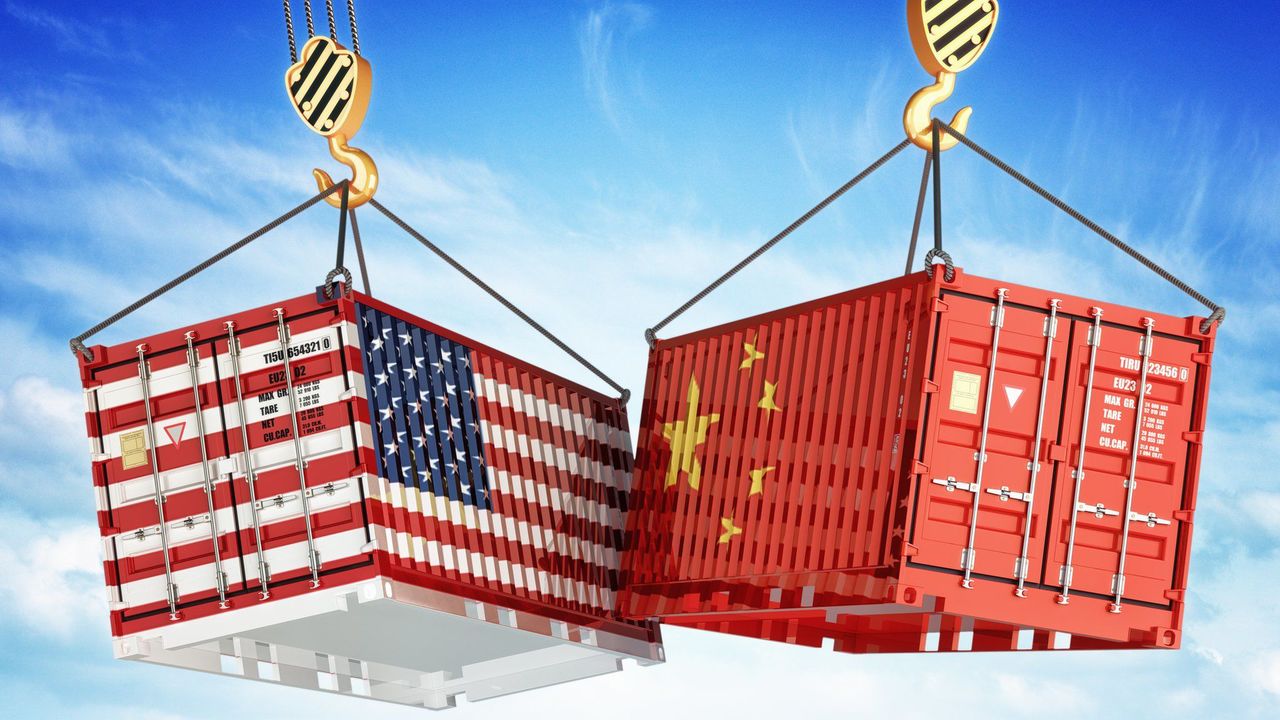
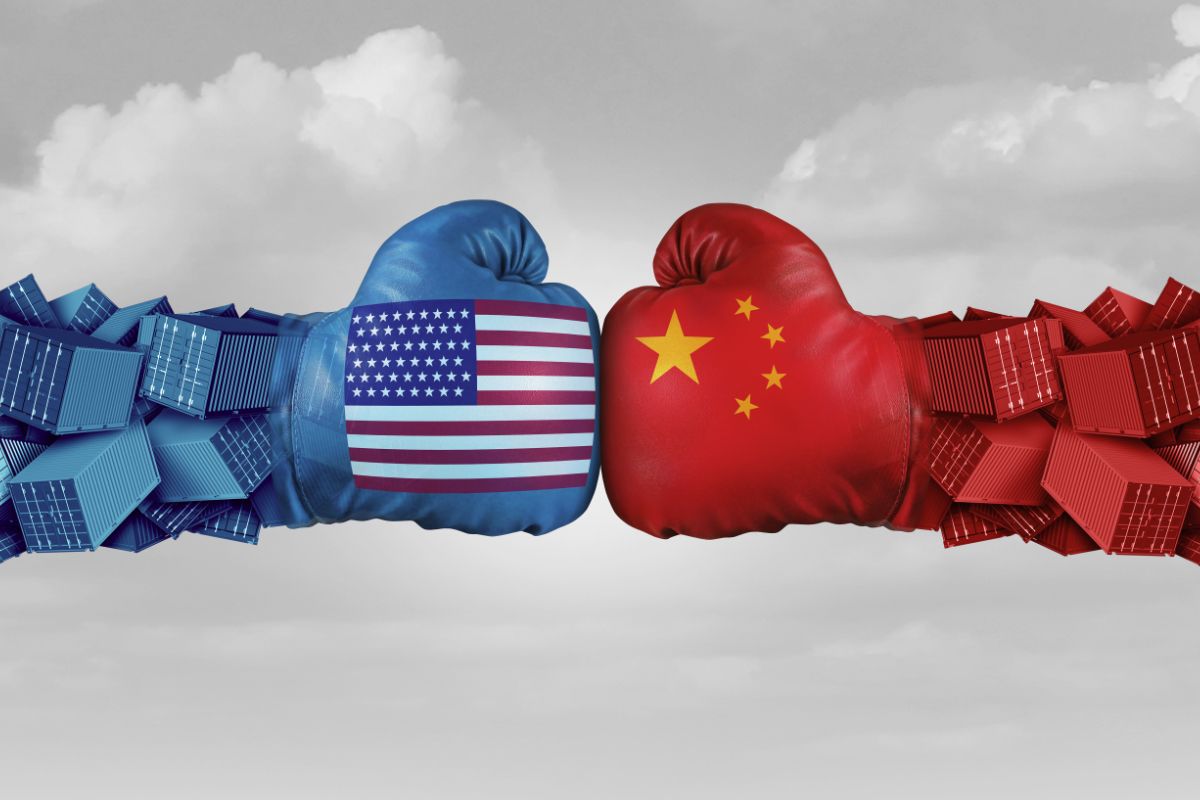
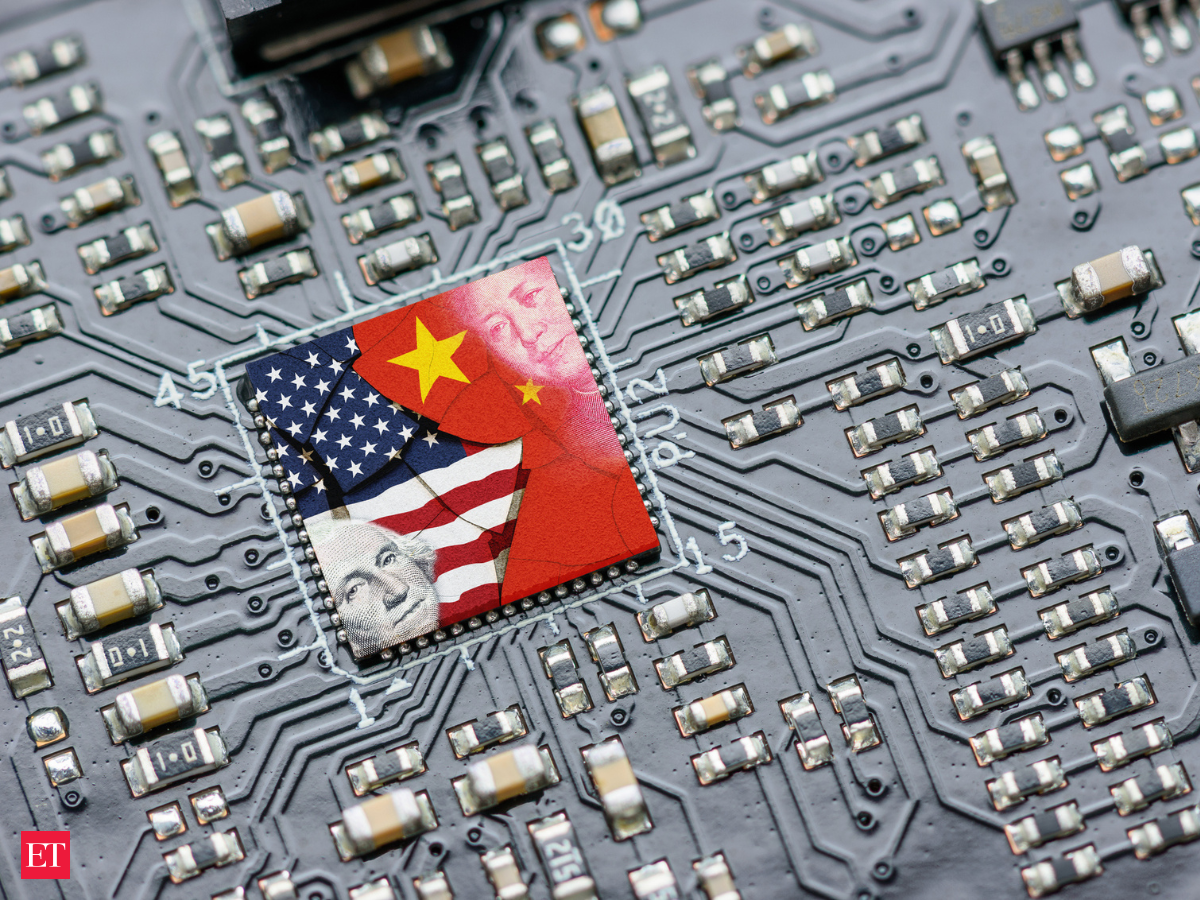
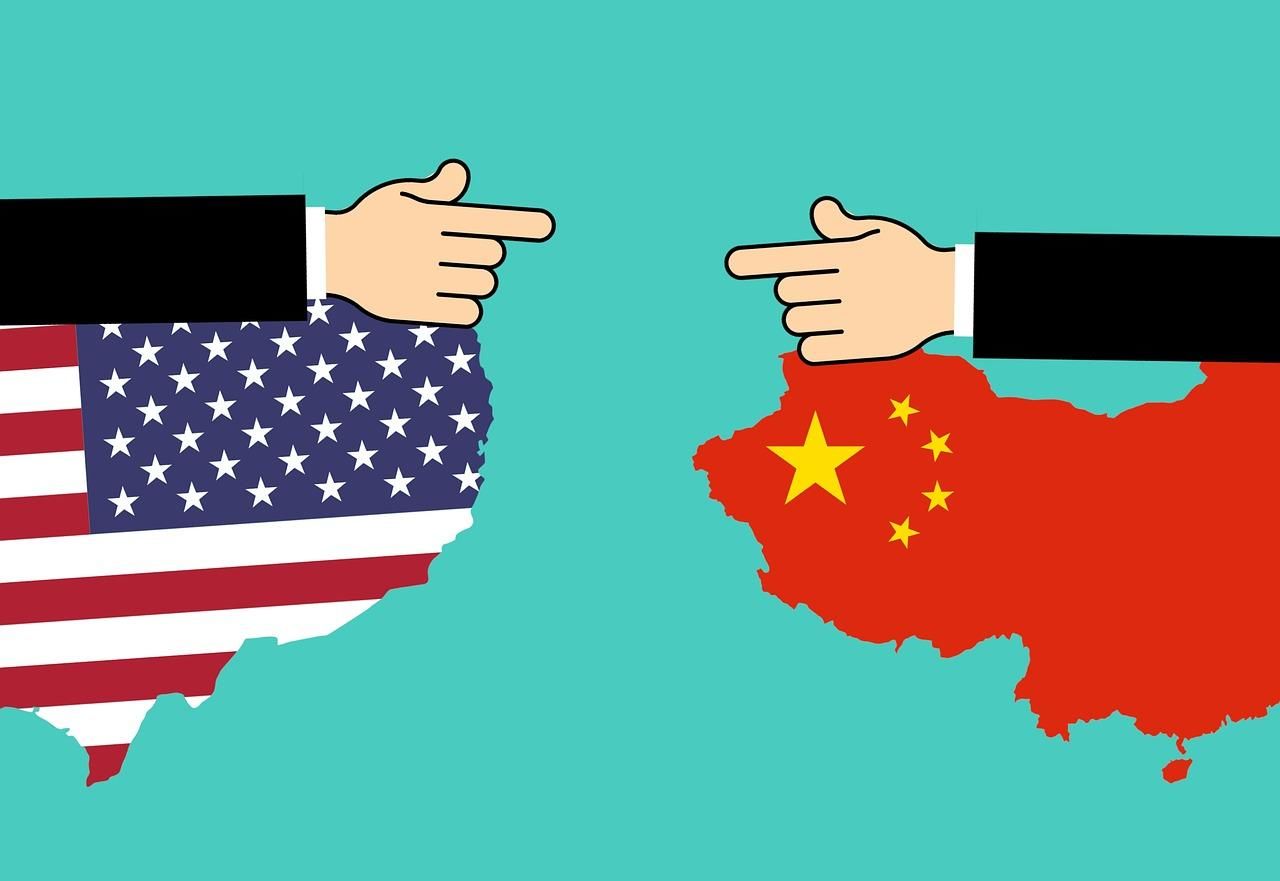
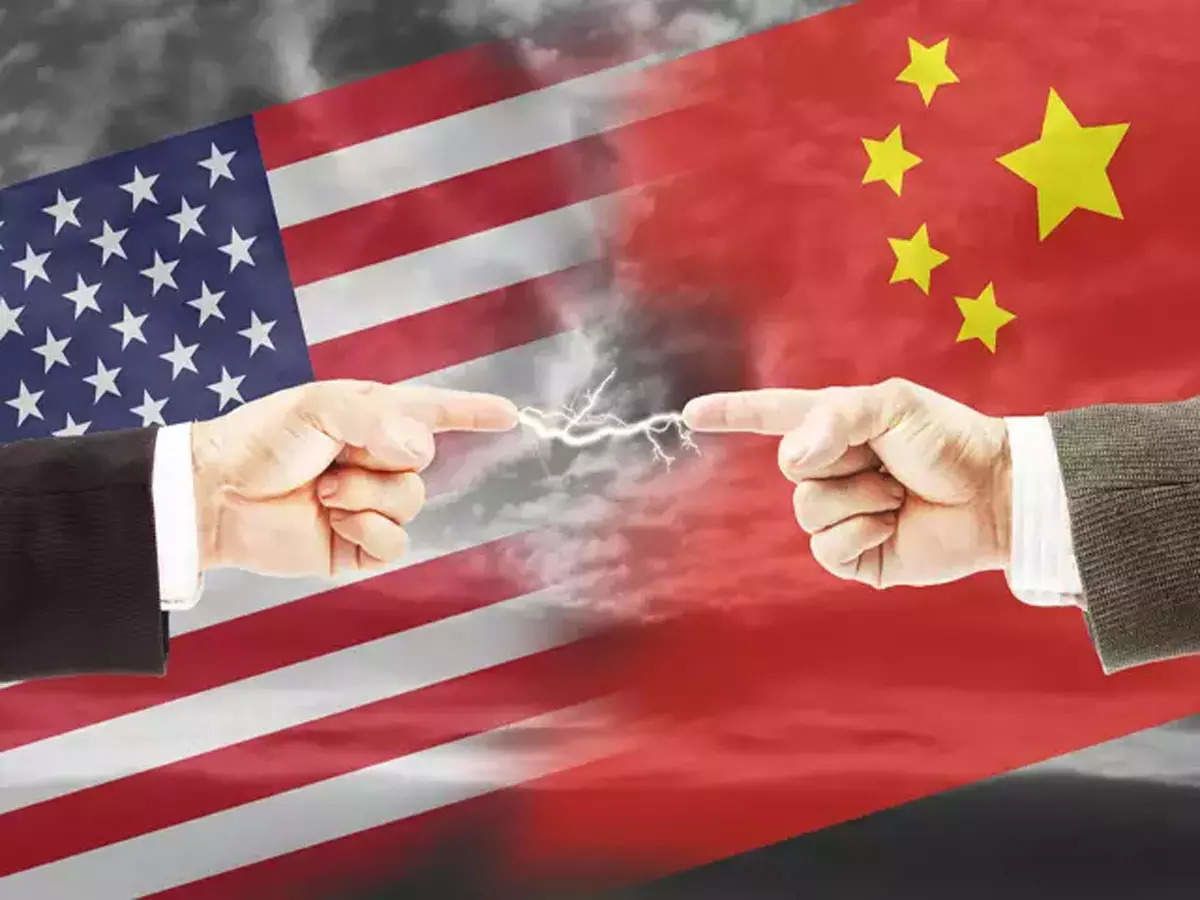
The latest exchange in the ongoing economic standoff between the United States and China has taken a peculiar turn, with the US finding itself inadvertently sanctioning its own interests. In response to wide-ranging sanctions imposed by the US on China's chip manufacturing industry, China has retaliated by imposing export controls on two crucial metals essential for chip production: gallium and germanium.
China's dominant position in the global gallium market, accounting for a staggering 98% of production, coupled with its significant share of 68% in gallium refinery production, magnifies the impact of its countermove. These metals play a vital role in the production of semiconductors, optoelectronics, and other electronic devices, making them indispensable to the global semiconductor industry.
The US, however, faces a challenging situation as it heavily relies on China for its gallium and germanium imports. In fact, recent data from 2021 reveals that over 50% of the gallium and germanium used by the US was imported from China, creating a high level of dependence on a single source for these critical materials.
This development has led to legitimate concerns that the US is inadvertently sanctioning itself. By widening its sanctions on China's chip manufacturing industry, the US has provoked retaliatory actions that are likely to exacerbate the already strained trade relationship between the two economic powerhouses. As a result, the global chip supply shortage, which has already caused disruptions in various industries dependent on semiconductors, may now face further challenges.
These escalating tensions and subsequent trade restrictions highlight the need for the US and other nations to diversify their semiconductor supply chains and reduce dependence on a single supplier. Exploring alternative sources of gallium and germanium has become a pressing priority to mitigate the potential risks associated with trade disputes and disruptions.
It is crucial to recognize the interconnectedness and vulnerability of the semiconductor industry in the face of evolving global trade dynamics. Rather than perpetuating an adversarial stance, efforts should be directed towards enhancing domestic chip manufacturing capabilities, fostering international collaboration, and investing in research and development. These proactive measures will enable the creation of a more resilient and secure supply chain, safeguarding crucial components such as gallium and germanium.
As the ramifications of China's export controls on gallium and germanium continue to unfold, the implications of this latest chapter in the US-China trade saga could have far-reaching consequences for industries worldwide.
LONDON DAILY ARCHIVE
US Sanctions on China's Chip Industry Backfire, Prompting Self-Inflicted Blowback
China's countermove to restrict gallium and germanium exports adds weight to concerns of self-sabotage in US trade policy.
05 July 2023 · 21:08 UTC