LONDON DAILY ARCHIVE
Ukraine's Role Central to Peace Negotiations, Asserting Global Sentiment
U.S. and Russian leaders initiate dialogue while Ukrainian leadership demands inclusion in peace talks amidst evolving dynamics within NATO.
14 February 2025 · 06:02 UTC
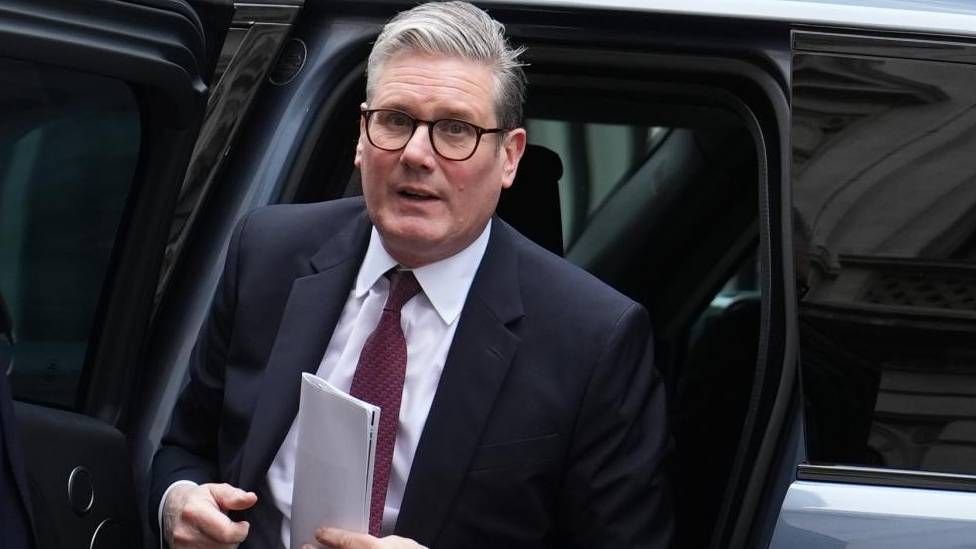
Starmer remarked that it is vital for Ukraine to be 'in the strongest possible position,' whether that means engaging in discussions or persisting in military efforts.
These statements from Starmer were made in the wake of reports that U.S. President Donald Trump and Russian President Vladimir Putin have reached an accord to commence talks to conclude nearly three years of hostilities.
Ukrainian President Volodymyr Zelensky has also underscored the significance of Kyiv's involvement, asserting that any agreements made without Ukraine present would be unacceptable.
Zelensky stated, "Today it's important that everything does not go according to Putin's plan, in which he wants to do everything to make his negotiations bilateral [with the US]."
In response, Kremlin spokesman Dmitry Peskov confirmed Ukraine's expected involvement in the negotiations, noting that while there would be a bilateral track between Russia and America, a separate track integrating Ukraine would also be established.
Starmer further advised the UK to enhance its financial, material, and training support for Ukraine, indicating that the UK is already providing more assistance this year compared to the last.
Recently, he formalized a significant 100-year agreement with Ukraine, building on the previous £12.8 billion in aid sent to the country, pledging an additional £3 billion annually for an indefinite period.
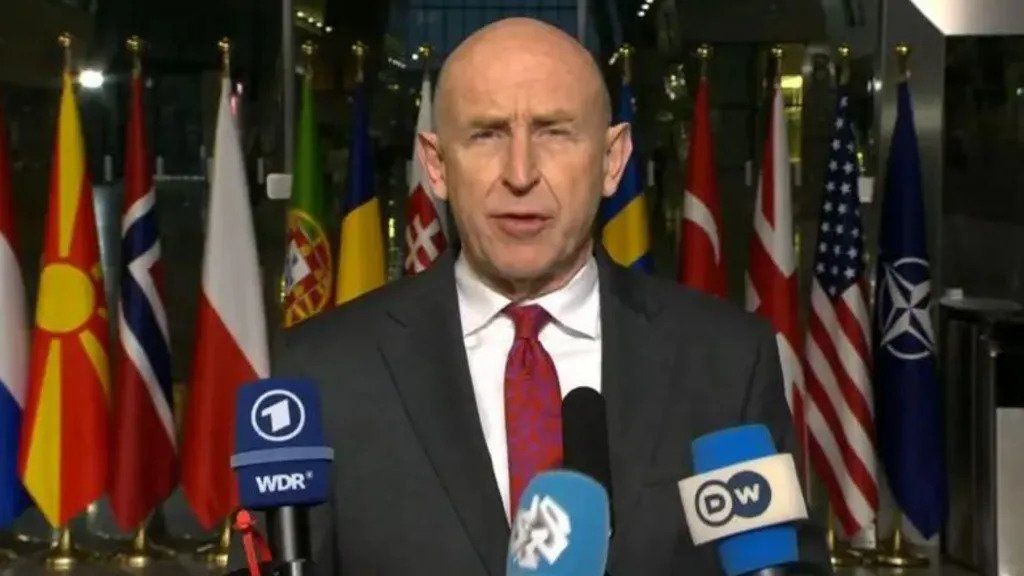
These comments align with assertions from John Healey, the UK's Defence Minister, who reiterated that negotiations regarding Ukraine cannot occur without its participation, reflecting ongoing sentiments within NATO.
Healey articulated a unified desire for a sustainable peace and signaled that Russia poses continued threats beyond just Ukraine.
The negotiations initiated by Trump and Putin have introduced complexities for NATO's cohesion regarding military and financial support for Ukraine as Trump’s approach diverges from the alliance's collective stance.
In a statement on his social media platform, Trump indicated that he and Putin agreed to expedite discussions without establishing a date for a direct meeting, though he did mention a prospective gathering in Saudi Arabia where both leaders invited each other to their respective capitals.
Mark Rutte, NATO's Secretary-General, has been vocal about the necessity for member nations to bolster their military assistance for Ukraine and ensure its inclusion in any peace negotiations.
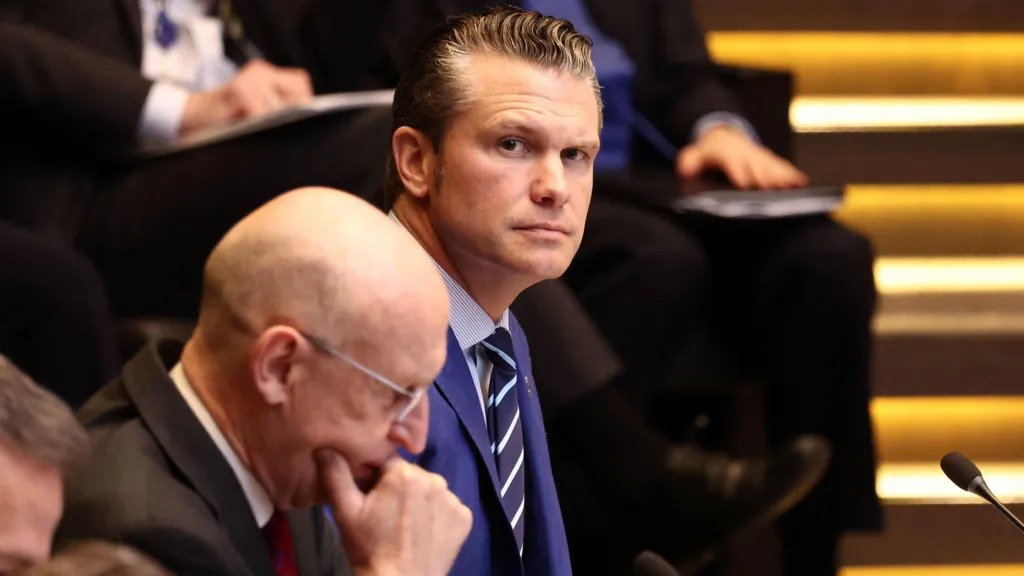
Concurrently, U.S. Defence Secretary Pete Hegseth urged European allies to assume greater responsibility for NATO's defense budget, cautioning against allowing the U.S. to bear an excessive financial burden.
At a recent NATO meeting, Hegseth emphasized the ongoing commitment of the U.S. to expedite military support for Ukraine, asserting that such endeavors were not a betrayal of Ukrainian forces in the field.
Healey indicated that the UK has responded to U.S. calls for increased defense spending and detailed a new military aid package valued at £150 million, which includes drones, tanks, and advanced air defense systems for Ukraine.
Despite these commitments, internal NATO dynamics appear to be shifting as member states contend with varied expectations from Washington regarding military funding and a potential re-evaluation of Ukraine's territorial claims against Russia.
Rutte has encouraged allies to substantially increase their defense budgets to demonstrate solidarity.
The evolving discourse around NATO's support has evidenced a divergence from previously unified positions, particularly in light of Trump's conciliatory tone towards Russia, which has led to criticisms regarding the waning effectiveness of NATO's collective response to the crisis.
Meanwhile, the German Defence Minister, Boris Pistorius, expressed concerns about U.S. concessions to Russia made prior to any formal negotiations.