UK Security Concerns Rise as Foreign Office Moves to Scrap Conflict and Refugee Crisis Unit
Closure of crucial directorate within Foreign, Commonwealth and Development Office within restructuring sparks alarm over loss of expertise amid global instability
The United Kingdom’s Foreign, Commonwealth and Development Office (FCDO) is set to disband its dedicated migration and conflict directorate — the unit responsible for advising on emerging conflicts and refugee crises in hotspot regions such as Syria, South Sudan, Yemen and the Philippines — officials have confirmed.
The move, part of a wider reorganization affecting around 2,000 staff, has sparked mounting concern among MPs, diplomats and security analysts who warn the dismantling could significantly weaken the UK’s ability to respond effectively to global crises and safeguard national security.
Comprised of roughly one hundred expert civil servants, the directorate has provided technical support, policy advice and conflict-resolution assistance to governments and civil society groups in destabilised zones.
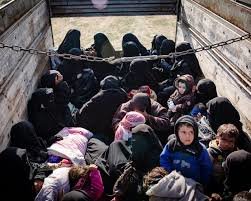
Critics argue its elimination will erode the UK’s capacity for early crisis detection, peace-building and refugee-response efforts at a time when global displacement and conflict are surging.
In response to questioning, the FCDO insisted that core priorities — including conflict prevention and tackling illegal migration — remain integral under the new structure.
It said those responsibilities will be redistributed across other directorates, and that the reorganisation aims to create a “more agile, technically enabled” diplomatic service.
However, some former senior officials and union representatives have expressed scepticism, noting that the institutional memory and specialised networks cultivated over years could be irretrievably lost.
The restructuring comes amid broader scrutiny over the UK government’s reduced international aid budget, which critics say already undermines global humanitarian engagement.
A recent report from the Parliamentary International Development Committee found the UK lacks a coherent long-term strategy to address the accelerating global refugee crisis.
The decision to dissolve the migration and conflict unit may intensify those criticisms and has prompted calls for the government to pause the restructuring until a full review is conducted.
Opponents within Parliament argue the timing is particularly ill-advised.
They contend the UK has historically played a stabilising role in international peace-building and expressed concern that withdrawing dedicated resources now could diminish the country’s influence in negotiation, conflict resolution and refugee assistance, while undermining early-warning capabilities for threats that may eventually impact British security.
The fate of remaining FCDO staff and the redistributed responsibilities remains uncertain as the department moves toward its closure deadline at the end of the year.
For many, the critical question is whether alternative arrangements will maintain the depth of expertise and responsiveness currently provided by the unit, or whether the UK risks losing a strategic hedge against global instability at a moment of rising international turmoil.
The move, part of a wider reorganization affecting around 2,000 staff, has sparked mounting concern among MPs, diplomats and security analysts who warn the dismantling could significantly weaken the UK’s ability to respond effectively to global crises and safeguard national security.
Comprised of roughly one hundred expert civil servants, the directorate has provided technical support, policy advice and conflict-resolution assistance to governments and civil society groups in destabilised zones.
Critics argue its elimination will erode the UK’s capacity for early crisis detection, peace-building and refugee-response efforts at a time when global displacement and conflict are surging.
In response to questioning, the FCDO insisted that core priorities — including conflict prevention and tackling illegal migration — remain integral under the new structure.
It said those responsibilities will be redistributed across other directorates, and that the reorganisation aims to create a “more agile, technically enabled” diplomatic service.
However, some former senior officials and union representatives have expressed scepticism, noting that the institutional memory and specialised networks cultivated over years could be irretrievably lost.
The restructuring comes amid broader scrutiny over the UK government’s reduced international aid budget, which critics say already undermines global humanitarian engagement.
A recent report from the Parliamentary International Development Committee found the UK lacks a coherent long-term strategy to address the accelerating global refugee crisis.
The decision to dissolve the migration and conflict unit may intensify those criticisms and has prompted calls for the government to pause the restructuring until a full review is conducted.
Opponents within Parliament argue the timing is particularly ill-advised.
They contend the UK has historically played a stabilising role in international peace-building and expressed concern that withdrawing dedicated resources now could diminish the country’s influence in negotiation, conflict resolution and refugee assistance, while undermining early-warning capabilities for threats that may eventually impact British security.
The fate of remaining FCDO staff and the redistributed responsibilities remains uncertain as the department moves toward its closure deadline at the end of the year.
For many, the critical question is whether alternative arrangements will maintain the depth of expertise and responsiveness currently provided by the unit, or whether the UK risks losing a strategic hedge against global instability at a moment of rising international turmoil.