UK Sanctions Network Alleged to Have Planned Attacks for Iran, Escalating Security Tensions
British authorities have targeted an alleged overseas-linked network accused of plotting hostile activity tied to Iran, highlighting growing concerns over state-linked operations on UK soil and abroad.
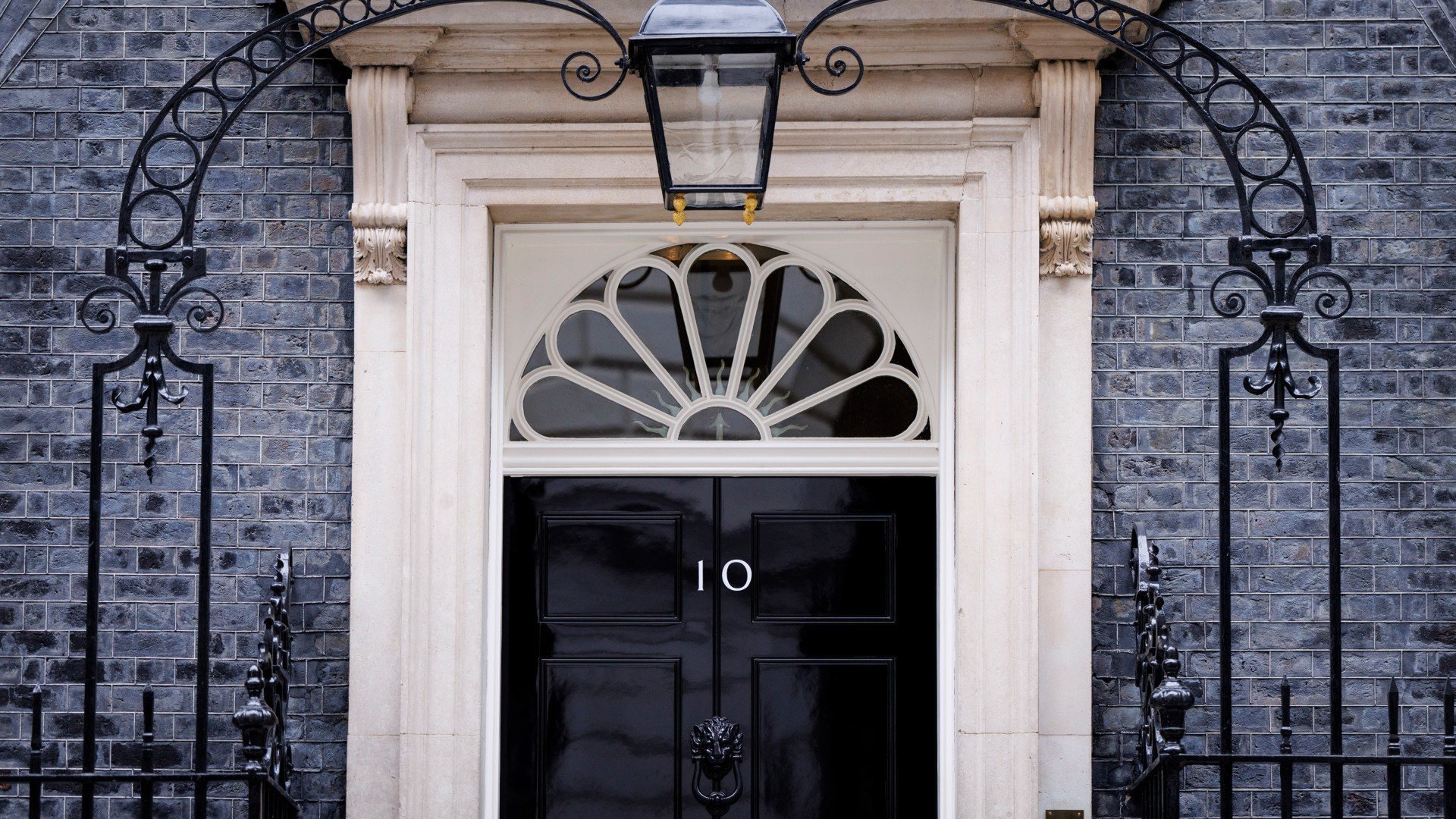
The structure of state-linked security threats and international sanctions enforcement is now shaping how the United Kingdom responds to allegations of foreign-directed hostile activity, following reports that a network accused of planning attacks on behalf of Iran has been sanctioned by British authorities.
What is confirmed is that the UK government has imposed sanctions on individuals and entities it believes are connected to a network involved in planning or facilitating hostile actions allegedly linked to Iran.
The measures typically include asset freezes, travel bans, and restrictions on financial dealings, designed to disrupt operational capacity and signal political consequences for involvement in such activity.
The designation reflects a broader pattern of Western governments increasingly treating certain covert or proxy-linked operations as matters of national security rather than isolated criminal acts.
In this framework, sanctions function as both punitive and preventive tools, aimed at dismantling financial and logistical support structures rather than solely prosecuting individuals after incidents occur.
Iran has been repeatedly accused by Western intelligence and security agencies of conducting or supporting influence operations and hostile planning activities abroad.
These allegations have included plots targeting dissidents, intelligence gathering operations, and alleged attempts to intimidate or disrupt political opponents outside its borders.
Iranian authorities have consistently rejected such accusations, describing them as politically motivated.
The UK’s latest sanctions move signals an escalation in the use of economic statecraft as a security instrument.
Instead of relying solely on criminal prosecutions, governments are increasingly using sanctions regimes to respond to suspected hybrid threats, particularly where attribution is complex or evidence thresholds for criminal conviction are difficult to meet in open court.
Operationally, sanctions can have immediate effects on targeted networks by restricting access to banking systems, freezing overseas assets, and limiting international mobility.
However, their effectiveness depends on the accuracy of intelligence assessments and the degree of coordination between allied jurisdictions, particularly when individuals operate across multiple countries.
The broader implication is a tightening security posture in Europe and allied states toward alleged state-linked proxy activity.
This reflects a shift in threat perception: from conventional espionage toward hybrid operations that combine political influence, covert planning, and potential violence.
The sanctioned network now faces financial isolation and increased scrutiny from international enforcement agencies, while governments continue to assess the scope of alleged activities and potential links to wider operational structures.
What is confirmed is that the UK government has imposed sanctions on individuals and entities it believes are connected to a network involved in planning or facilitating hostile actions allegedly linked to Iran.
The measures typically include asset freezes, travel bans, and restrictions on financial dealings, designed to disrupt operational capacity and signal political consequences for involvement in such activity.
The designation reflects a broader pattern of Western governments increasingly treating certain covert or proxy-linked operations as matters of national security rather than isolated criminal acts.
In this framework, sanctions function as both punitive and preventive tools, aimed at dismantling financial and logistical support structures rather than solely prosecuting individuals after incidents occur.
Iran has been repeatedly accused by Western intelligence and security agencies of conducting or supporting influence operations and hostile planning activities abroad.
These allegations have included plots targeting dissidents, intelligence gathering operations, and alleged attempts to intimidate or disrupt political opponents outside its borders.
Iranian authorities have consistently rejected such accusations, describing them as politically motivated.
The UK’s latest sanctions move signals an escalation in the use of economic statecraft as a security instrument.
Instead of relying solely on criminal prosecutions, governments are increasingly using sanctions regimes to respond to suspected hybrid threats, particularly where attribution is complex or evidence thresholds for criminal conviction are difficult to meet in open court.
Operationally, sanctions can have immediate effects on targeted networks by restricting access to banking systems, freezing overseas assets, and limiting international mobility.
However, their effectiveness depends on the accuracy of intelligence assessments and the degree of coordination between allied jurisdictions, particularly when individuals operate across multiple countries.
The broader implication is a tightening security posture in Europe and allied states toward alleged state-linked proxy activity.
This reflects a shift in threat perception: from conventional espionage toward hybrid operations that combine political influence, covert planning, and potential violence.
The sanctioned network now faces financial isolation and increased scrutiny from international enforcement agencies, while governments continue to assess the scope of alleged activities and potential links to wider operational structures.