LONDON DAILY ARCHIVE
UK's Hunt Prepares Growth Strategy Following Decline in Inflation
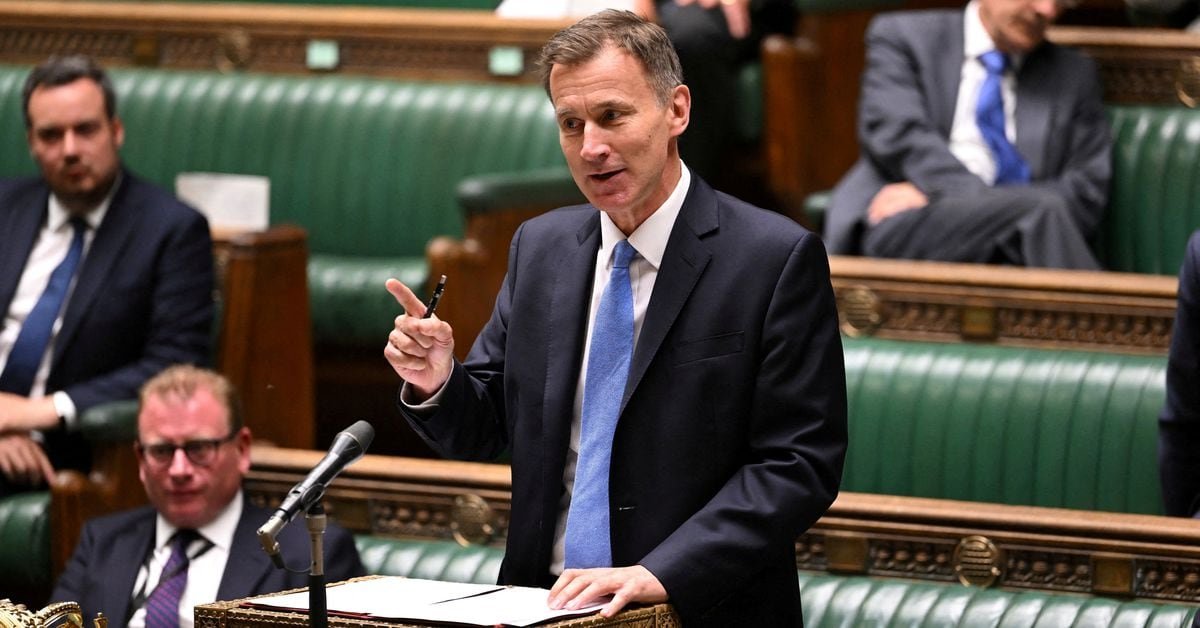
UK's Finance Minister Jeremy Hunt is preparing a growth plan due to present on November 22, bolstered by a significant drop in inflation that aligns with Prime Minister Rishi Sunak's objectives. With the 2024 election on the horizon and Conservative worries over Labour's lead in polls, Hunt may offer tax reductions to win voter and business support.
16 November 2023 · 01:53 UTC
Nonetheless, options to stimulate the economy are curtailed by ongoing pressure on public finances due to the pandemic and high energy costs, having triggered considerable government expenditure. With public debt nearing 100% of GDP, and recent interest rate hikes, managing the debt has become more costly.
Following last year's financial backlash against former Prime Minister Liz Truss' tax cut plans, Hunt and Sunak are likely to proceed cautiously. Though they might have some leeway for fiscal changes, analysts anticipate continued slow growth and increasing public spending demands on areas like defense, health, and pensions.
While the Labour Party vows to boost the economy should they gain power, their strategy, emphasizing fiscal restraint, doesn't significantly deviate from the Conservatives'. Managing the country's finances during these times remains a daunting task, suggests Carl Emmerson of the Institute for Fiscal Studies.
Despite the Conservatives' traditional low-tax stance, tax increases under the current government are record-breaking post-World War Two. While explicit tax reductions seem off the table, Hunt may consider raising the inheritance tax threshold, an appealing notion for Conservative supporters.
Business investment incentives are also on the agenda, with expectations of possibly extending a current tax incentive for another year. "We need a long-term corporation tax strategy to provide businesses with more stability," says Emmerson.
Economist George Buckley from Nomura anticipates Hunt will cautiously ease financial restraints, possibly reserving major voter incentives for the Spring budget preceding the projected autumn 2024 election.