LONDON DAILY ARCHIVE
UK Reports Case of Lassa Fever Linked to Recent Travel from Nigeria
Health officials monitor contacts as virus poses low risk to public health
08 March 2025 · 06:12 UTC
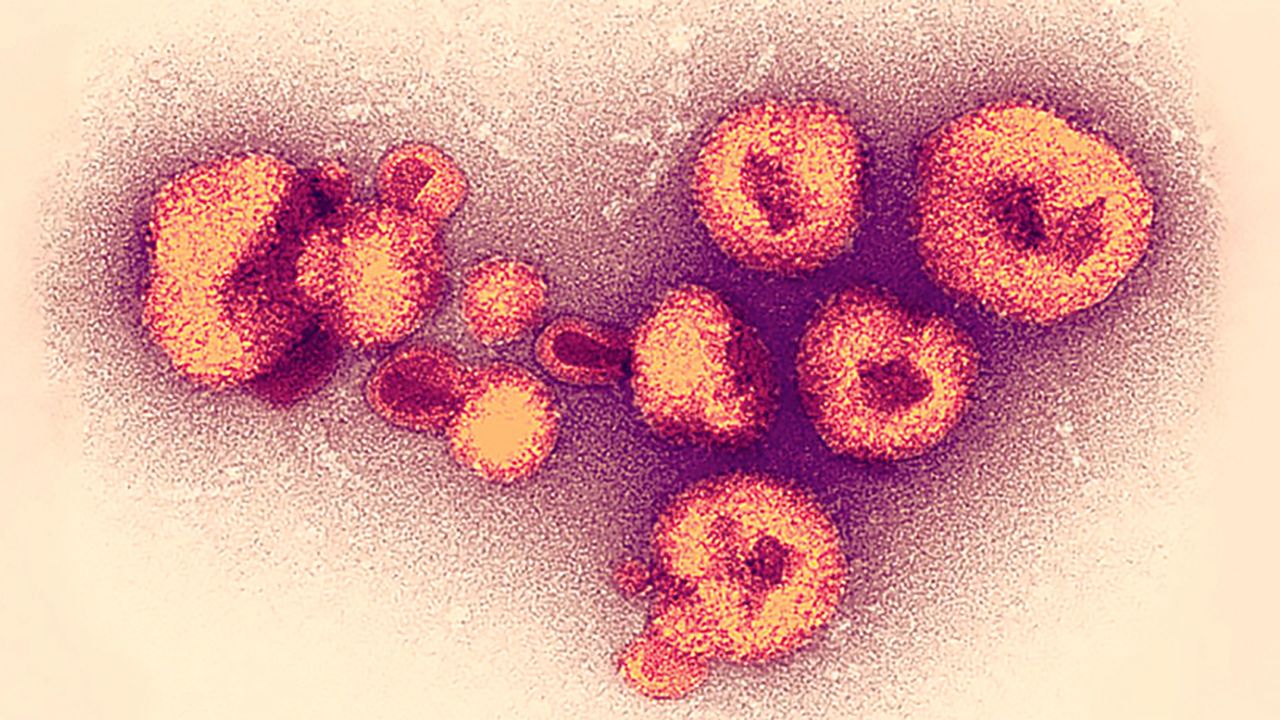
The UK Health Security Agency (UKHSA) has confirmed that the individual was experiencing symptoms consistent with Lassa fever during their stay in the UK and subsequently returned to Nigeria, where a diagnosis was confirmed.
In response, UKHSA is engaged in efforts to trace individuals who may have come into contact with the affected person during their time in the country.
Officials emphasized that Lassa fever, while serious, does not transmit easily between people, leading to an overall assessment of the public health risk as "very low."
Lassa fever is endemic in regions of West Africa, particularly in countries such as Guinea, Liberia, Nigeria, and Sierra Leone.
The virus is primarily carried by the Mastomys rodent, known for residing in proximity to human populations.
The most common modes of transmission include the consumption of contaminated food or inhalation of the virus from the environment; direct contact with the droppings or bodily fluids of infected rodents can also result in infection.
In certain communities, consumption of the Mastomys rodent itself may pose additional risks.
Although Lassa fever does not spread easily from person to person, it can be transmitted through direct contact with bodily fluids, including blood, saliva, urine, or semen of an infected individual.
The initial symptoms of Lassa fever are typically mild, encompassing fever, weakness, headache, and sore throat, with many individuals having a full recovery.
In more severe cases, symptoms can escalate to include bleeding, difficulty breathing, vomiting, and significant discomfort in the chest, back, and abdominal regions.
Dr. Meera Chand, deputy director at the UKHSA, stated that health protection teams are proactively reaching out to individuals who may have been in close contact with the affected traveler to ensure they seek necessary medical attention and testing if they develop any symptoms.
The incubation period for Lassa fever typically ranges from one to three weeks following exposure to the virus.