UK Pushes to Rejoin EU’s Erasmus+ by 2027 as Part of Post-Brexit Reset
London aims to finalise an agreement by January to restore student mobility with Europe following collapse of defence talks
The United Kingdom is working to reach a deal within weeks to re-associate with the European Union’s premier student-mobility programme, Erasmus+, targeting participation beginning in 2027. Negotiators from both sides are aiming to finalise the agreement by January, according to officials familiar with the discussions.
The UK withdrew from the programme after Brexit, when the previous government judged it poor value for money.
With a change in leadership, the new administration reopened talks during the UK–EU summit in May 2025, seeking more favourable financial terms for re-entry.
Rejoining the roughly £23 billion Erasmus+ scheme has become a central request from EU capitals under a broader “reset” of UK–EU relations — a push that also includes a proposed youth mobility deal enabling young Europeans to live and work in the UK, and Britons to do likewise across Europe.
A swift breakthrough on Erasmus+ would offer the UK a valuable diplomatic win after last week’s collapse of defence negotiations over funding disagreements.
In those talks, the UK had hoped for full participation in the EU’s new €150 billion defence-loan fund; instead, London accepted that British firms will be limited to contributing no more than 35% of components under “third-country” terms.
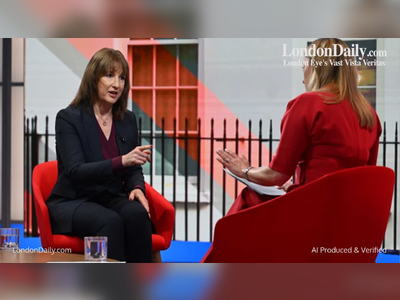
At a press conference in London, Prime Minister said there is no credible long-term economic future for Britain without open trade and closer ties to Europe.
He reiterated his commitment to reducing trade frictions and strengthening cooperation with the EU, even if this requires difficult compromises.
From the EU side, the ambassador to the UK emphasised that current economic and security challenges make stronger cooperation with Britain a shared priority, noting that prosperity, security and democracy across the continent are deeply interlinked.
Alongside Erasmus+, London is also negotiating parallel deals covering food standards, carbon emissions, and a broader youth-mobility scheme.
Talks over food and drink standards and emissions began in mid-November — roughly six months later than hoped — while youth mobility negotiations started in September.
Officials express cautious optimism that progress can be reached swiftly in these areas, which involve fewer commercial conflicts than defence funding and are likely to face less resistance from European businesses.
On the question of food standards, a key point of contention is whether demands from some EU states — such as dropping the UK’s proposed ban on commercial foie-gras imports — will derail cooperation.
Other sticking points include EU rules on genetically modified crops and natural contaminants such as mycotoxins, which affect products like British oatcakes.
A senior UK minister leading negotiations has already held calls with his EU counterpart and is due to meet in Brussels on 10 December.
A government spokesperson said that since the May summit the UK has “made good progress,” including initiating negotiations on food and drink deals designed to reduce red tape, support businesses and bring down prices.
They confirmed that talks on Erasmus+ are ongoing, and insisted that any agreement will prioritise national interest — delivering benefits for jobs, consumer costs and border security.
Preparations for rejoining are already underway: the UK’s Department for Education has advertised a contract — running from July 2026 for up to 18 months, and valued at £20 million to £24 million — to operate the UK side of Erasmus+ if a deal is finalised.
This underlines the government’s readiness to reintegrate into the programme pending successful negotiation.
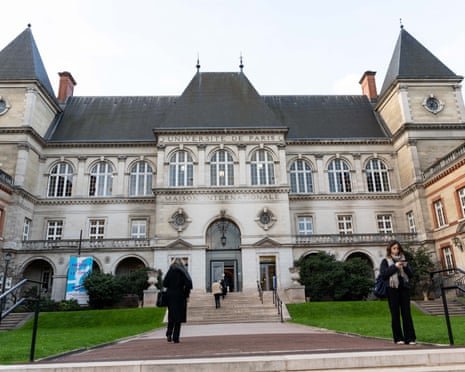
If concluded, association to Erasmus+ would restore a two-way pathway for students, youth, and educational staff between Britain and the EU — reviving academic, cultural, and professional exchanges curtailed by Brexit.
For UK universities and businesses, the step could renew access to a pan-European network of training, mobility and collaboration, a goal long regarded as central to rebuilding ties with Europe following the UK’s departure from the EU.
The UK withdrew from the programme after Brexit, when the previous government judged it poor value for money.
With a change in leadership, the new administration reopened talks during the UK–EU summit in May 2025, seeking more favourable financial terms for re-entry.
Rejoining the roughly £23 billion Erasmus+ scheme has become a central request from EU capitals under a broader “reset” of UK–EU relations — a push that also includes a proposed youth mobility deal enabling young Europeans to live and work in the UK, and Britons to do likewise across Europe.
A swift breakthrough on Erasmus+ would offer the UK a valuable diplomatic win after last week’s collapse of defence negotiations over funding disagreements.
In those talks, the UK had hoped for full participation in the EU’s new €150 billion defence-loan fund; instead, London accepted that British firms will be limited to contributing no more than 35% of components under “third-country” terms.
At a press conference in London, Prime Minister said there is no credible long-term economic future for Britain without open trade and closer ties to Europe.
He reiterated his commitment to reducing trade frictions and strengthening cooperation with the EU, even if this requires difficult compromises.
From the EU side, the ambassador to the UK emphasised that current economic and security challenges make stronger cooperation with Britain a shared priority, noting that prosperity, security and democracy across the continent are deeply interlinked.
Alongside Erasmus+, London is also negotiating parallel deals covering food standards, carbon emissions, and a broader youth-mobility scheme.
Talks over food and drink standards and emissions began in mid-November — roughly six months later than hoped — while youth mobility negotiations started in September.
Officials express cautious optimism that progress can be reached swiftly in these areas, which involve fewer commercial conflicts than defence funding and are likely to face less resistance from European businesses.
On the question of food standards, a key point of contention is whether demands from some EU states — such as dropping the UK’s proposed ban on commercial foie-gras imports — will derail cooperation.
Other sticking points include EU rules on genetically modified crops and natural contaminants such as mycotoxins, which affect products like British oatcakes.
A senior UK minister leading negotiations has already held calls with his EU counterpart and is due to meet in Brussels on 10 December.
A government spokesperson said that since the May summit the UK has “made good progress,” including initiating negotiations on food and drink deals designed to reduce red tape, support businesses and bring down prices.
They confirmed that talks on Erasmus+ are ongoing, and insisted that any agreement will prioritise national interest — delivering benefits for jobs, consumer costs and border security.
Preparations for rejoining are already underway: the UK’s Department for Education has advertised a contract — running from July 2026 for up to 18 months, and valued at £20 million to £24 million — to operate the UK side of Erasmus+ if a deal is finalised.
This underlines the government’s readiness to reintegrate into the programme pending successful negotiation.
If concluded, association to Erasmus+ would restore a two-way pathway for students, youth, and educational staff between Britain and the EU — reviving academic, cultural, and professional exchanges curtailed by Brexit.
For UK universities and businesses, the step could renew access to a pan-European network of training, mobility and collaboration, a goal long regarded as central to rebuilding ties with Europe following the UK’s departure from the EU.