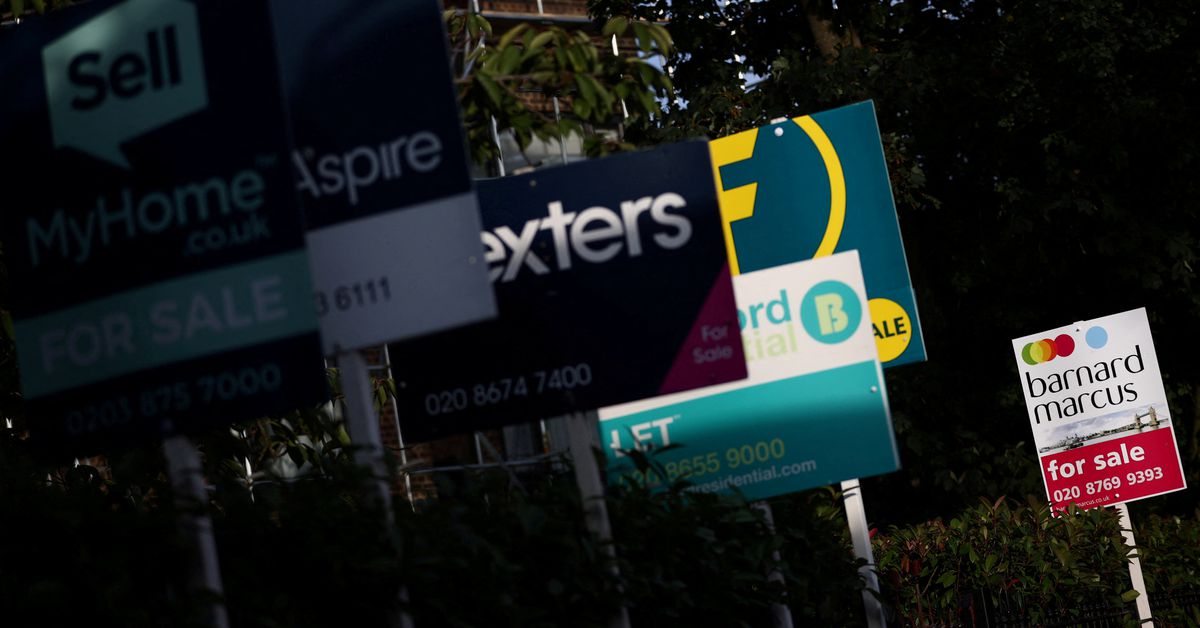
This has resulted in lenders repeatedly re-pricing and withdrawing mortgage offerings, leading to anxiety for both prospective and existing mortgage holders.
The average mortgage rate on new two-year deals has risen to 5.9%, the highest since December 2021, which could cause financial stress for homeowners similar to the late 1980s.
Mortgage market stress could have negative effects on the real economy, with historic precedents showing that significant increases in swap rates have led to large declines in housing starts in subsequent quarters.
The article discusses how the recent increase in swap rates is affecting mortgage prices in the UK, and how this could lead to a slowdown in spending and a "mild recession." Bankers note that borrowers should expect volatility in mortgage prices until swap rates start to fall, and that lenders need to ramp up due diligence to ensure that borrowers can afford to repay loans at more expensive rates.
The Bank of England stresses that banks today are far better capitalized than during the 2007-2009 financial crisis, which means they can keep the supply of credit open even during tough economic conditions.
The article also mentions that British households have been resilient to sharp hikes in prices and interest rates, but that with inflation holding at historically high levels, they are once again using credit to support their spending habits.
LONDON DAILY ARCHIVE
UK Mortgage Market in Turmoil as Rising Funding Costs Drive Up Rates
The UK mortgage market is experiencing significant turmoil due to rising funding costs, driven by expectations for higher interest rates from the Bank of England.
15 June 2023 · 20:12 UTC