LONDON DAILY ARCHIVE
UK Government Proposes New Measures to Tackle Benefit Fraud
Driving licences could be revoked and financial privacy debated in new anti-fraud initiatives
23 January 2025 · 06:22 UTC
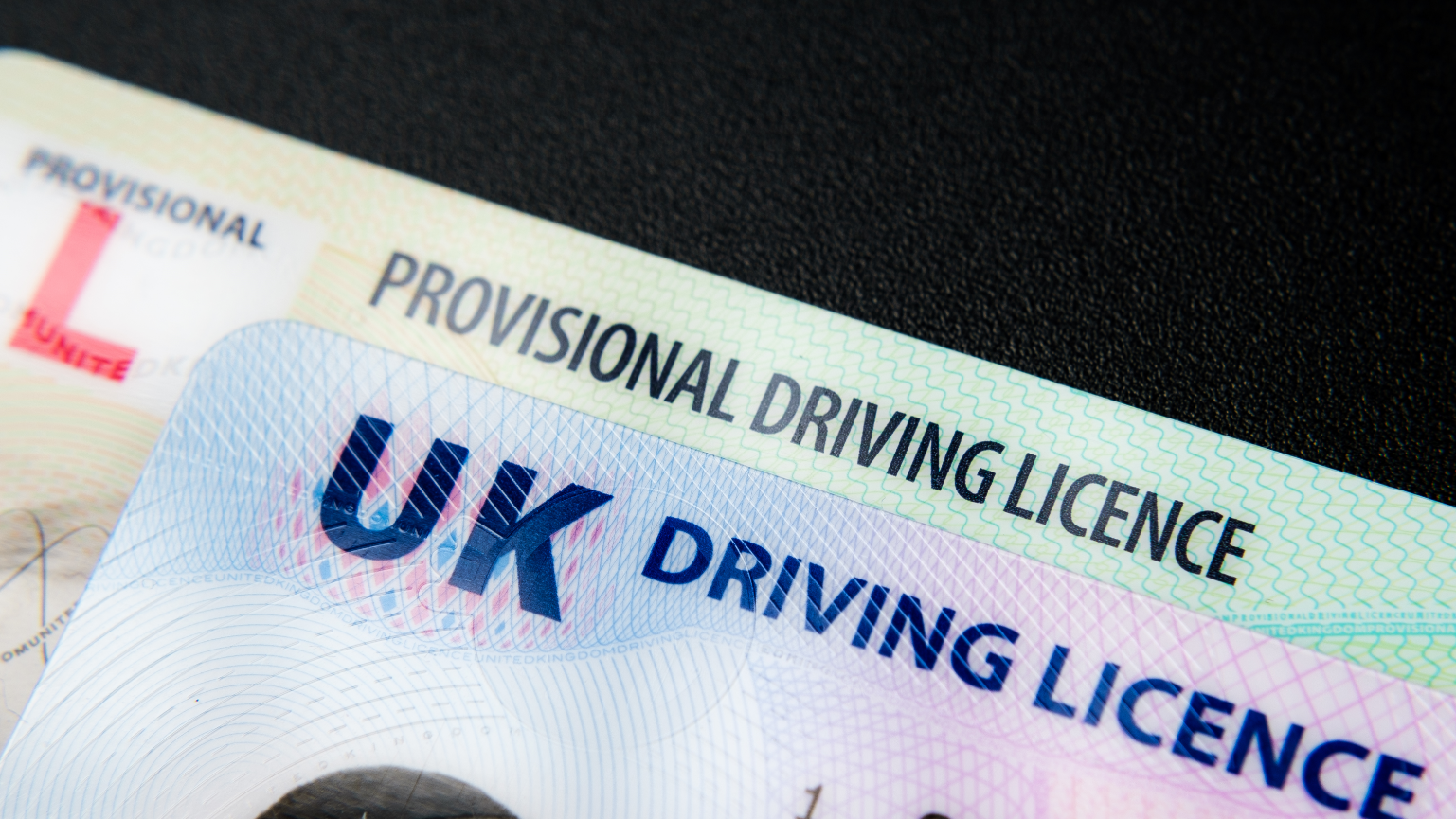
This initiative is part of a broader plan to curb misuse of the welfare system and is spearheaded by Work and Pensions Minister Alison McGovern.
The proposed measures would allow authorities to impose driving bans for up to two years on repeat offenders.
The current legal framework permits imprisonment for severe cases of fraud, with potential sentences reaching up to ten years.
However, McGovern has suggested that the addition of driving licence revocation would serve as an effective 'backstop' in ensuring repayment from those resisting collections.
Further steps include enhancing the Department for Work and Pensions' (DWP) ability to access bank information to identify fraudulent activities more efficiently.
This mirrors a previously proposed scheme aimed at granting investigators greater scope to detect undetected fraud cases.
However, concerns over privacy have been raised, as such powers may necessitate banks divulging claimants' financial data to government bodies.
In the fiscal year, fraudulent benefit claims accounted for £7.4 billion, approximately 2.8% of total welfare spending, while inadvertent errors added a further £1.6 billion in overpayments.
The DWP projects that increased banking data access could potentially result in tax savings of £1.5 billion over five years.
Nonetheless, privacy and civil liberties advocates, including Big Brother Watch and Age UK, have expressed apprehension over what they term mass financial surveillance.
The Labour government, which succeeded the previous Conservative administration, has indicated that its plan will carefully restrict the scope of financial information shared with the DWP, particularly mitigating the intrusion into matters such as state pension payments.
However, clarity on operational specifics remains forthcoming.
The issue of tackling sophisticated benefit fraud has gained renewed attention, especially with cases where claimants reside overseas without proper notification or exceed allowable savings limits, both of which could trigger further investigation under the new proposals.
While emphasizing that the government will not directly access individual bank accounts, critics argue that instructing banks to assist in these investigations represents a shift that requires public scrutiny and debate.