LONDON DAILY ARCHIVE
UK Government Accused of Denying Genocide in Debate Over Israel and Palestine
Labour MP Brian Leishman criticizes the UK Government's stance following ICJ advisory opinion on Israel's policies towards Palestinians.
13 February 2025 · 08:00 UTC
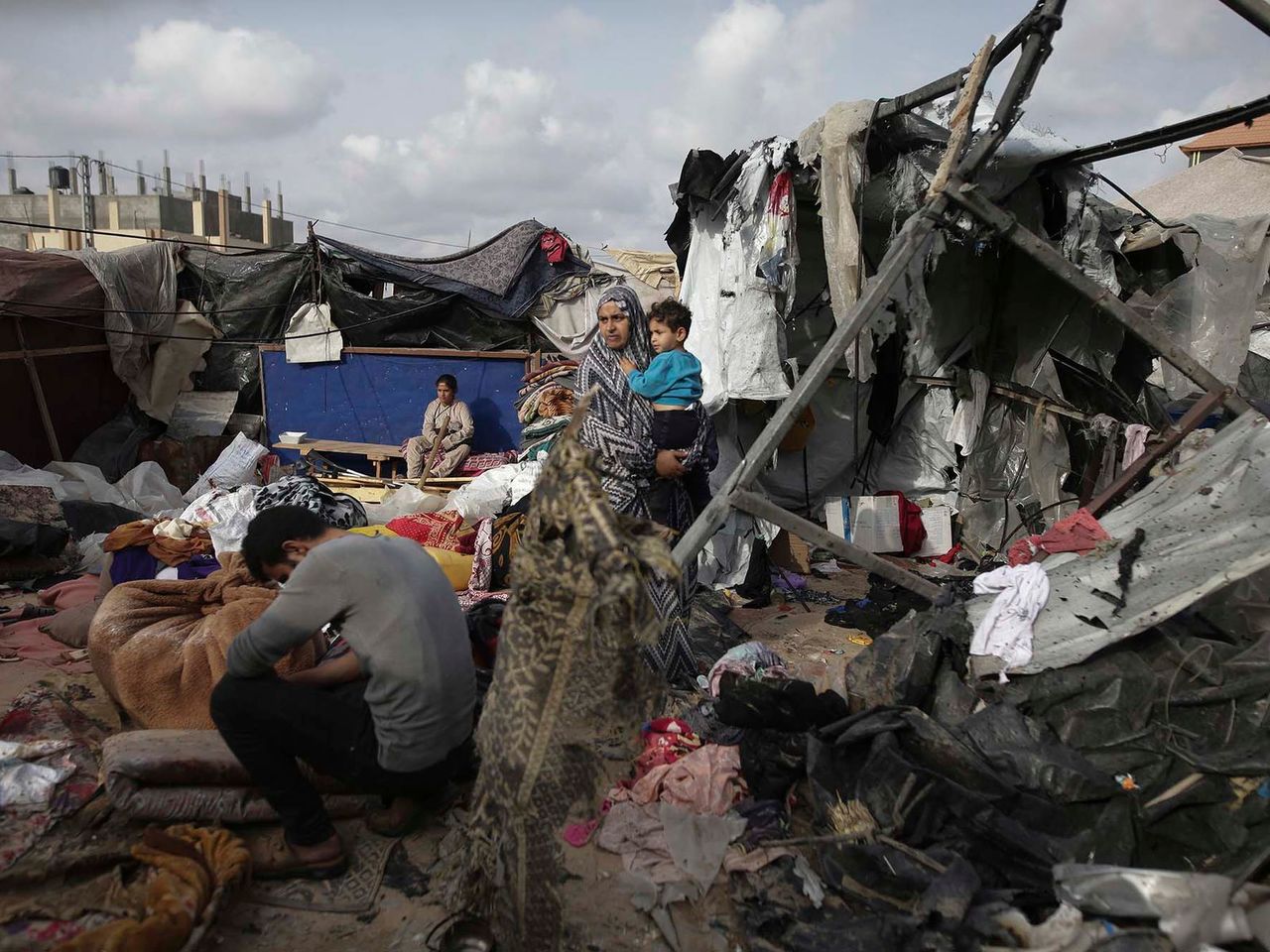
Emphasizing the government's denial of what constitutes genocide, Leishman described the official response to the ongoing conflict as ‘appalling.’ His remarks followed a statement from Foreign Secretary David Lammy, who ruled out the consideration of sanctions against Israel due to the significance of the UK-Israel trade relationship, which was valued at £6.1 billion in the previous year.
The debate was significantly influenced by the International Court of Justice (ICJ), which released an advisory opinion in July 2023 asserting that Israel must pay reparations to the Palestinian people.
The opinion concluded that Israel's policies in the occupied territories violate the International Convention on the Elimination of All Forms of Racial Discrimination and deemed the establishment of Israeli settlements as illegal under international law.
Leishman stated, 'The ICJ advisory opinion is significant because it adds to the growing international consensus that Israel is committing the crime against humanity of apartheid against Palestinians.' He noted the importance of this language in light of what he termed 'annexation, occupation, segregation, and apartheid,' which he believes are witnessed by the international community.
In May 2024, the International Criminal Court (ICC) further escalated the situation by issuing arrest warrants for Israeli Prime Minister Benjamin Netanyahu and then-Defence Minister Yoav Gallant, indicating heightened scrutiny of Israeli leadership regarding actions in Palestine.
During the debate, Independent MP Shockat Adam questioned the justification for not imposing sanctions based on economic ties, echoing Leishman’s concerns regarding morality in diplomatic decision-making.
The Labour MP for Birmingham Hall Green and Moseley, Tahir Ali, also contributed to the discussion by asserting that the UK Government's acknowledgment of both Israeli and Palestinian states is critical for achieving a two-state solution.
He warned against the implications of supporting unilateral narratives that align with Prime Minister Netanyahu's purported preference for a one-state solution.
Liberal Democrat foreign affairs spokesperson Calum Miller argued for the necessity of adhering to the rulings from the ICJ and ICC, countering claims from Conservative members who dismissed the relevance of these foreign courts.
He asserted that previous UK governments had consented to their jurisdiction, and dismissing they pose a threat to UK sovereignty could damage international relations.
In response to the MPs' concerns, Foreign Office minister Hamish Falconer defended the government’s cautious approach in evaluating the ICJ opinion due to its complexity.
He acknowledged the importance of a deliberate process in determining the appropriate response.
Additionally, Falconer reaffirmed the UK’s commitment to a two-state solution, emphasizing the need for no forced displacement of Palestinians.
The debate comes amid ongoing tensions in the region, further complicated by statements from various international leaders, including those from the US administration.
The UK Government continues to navigate these complex diplomatic waters while responding to increasing calls for accountability regarding its role and stance in the Israel-Palestine conflict.