LONDON DAILY ARCHIVE
UK Climate Activism and Judicial Outcomes: A Shift in Legal Consequences
Recent judicial decisions reflect changing dynamics of climate activism amid broader national policy challenges.
08 March 2025 · 06:16 UTC
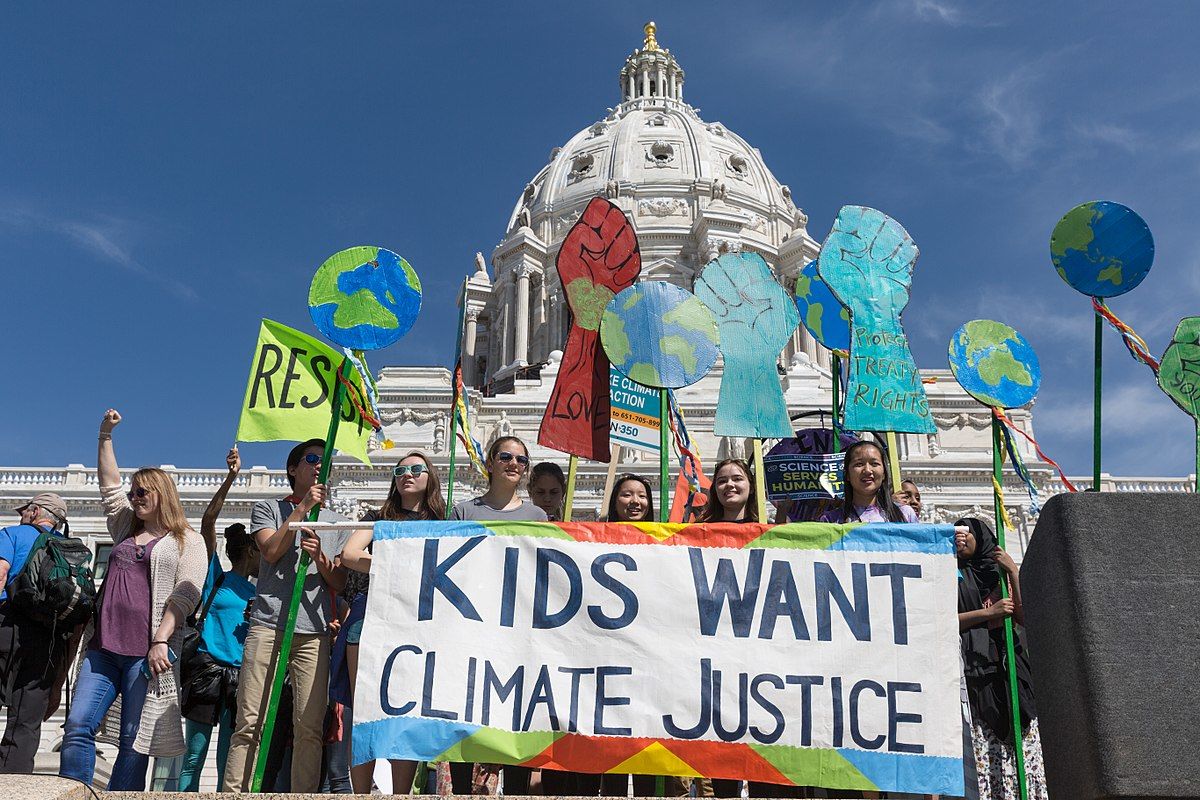
The group's protest strategies have included blockading roads and disrupting public events, acts that have led to numerous arrests and subsequent legal action.
In the latest court ruling, judges acknowledged mitigating factors in the cases of those involved, which has raised questions regarding the balance of legal consequences and the necessity for civil disobedience in the climate movement.
These developments occur against a backdrop of heightened scrutiny regarding the UK government's climate policies.
Critics have noted that recent governmental focus on defense and security issues may undermine commitments to climate action, casting uncertainty on the UK’s leadership role in global climate initiatives.
Simultaneously, the Labour government's strategy has come under fire from various environmental NGOs, with concerns that cuts to overseas aid, particularly aimed at climate adaptation and mitigation efforts, could position the UK contrary to its stated climate objectives.
Within this context, Just Stop Oil’s legal victories, while significant, appear secondary to the broader discourse surrounding the UK’s approach to climate leadership.
Other European nations are grappling with similar issues of climate policy versus national interests, revealing a complex interplay of regulatory frameworks, activism, and governmental priorities.
As the situation evolves, the implications for climate activism and legislative responses remain a critical point of discussion in both legal and political circles across Europe.