LONDON DAILY ARCHIVE
UK Chancellor Faces Economic Crossroads Amidst Stagnation and Rising Challenges
Rachel Reeves, the first female Chancellor of the Exchequer, grapples with stagnant growth and limited fiscal options four months into her tenure.
16 February 2025 · 07:16 UTC
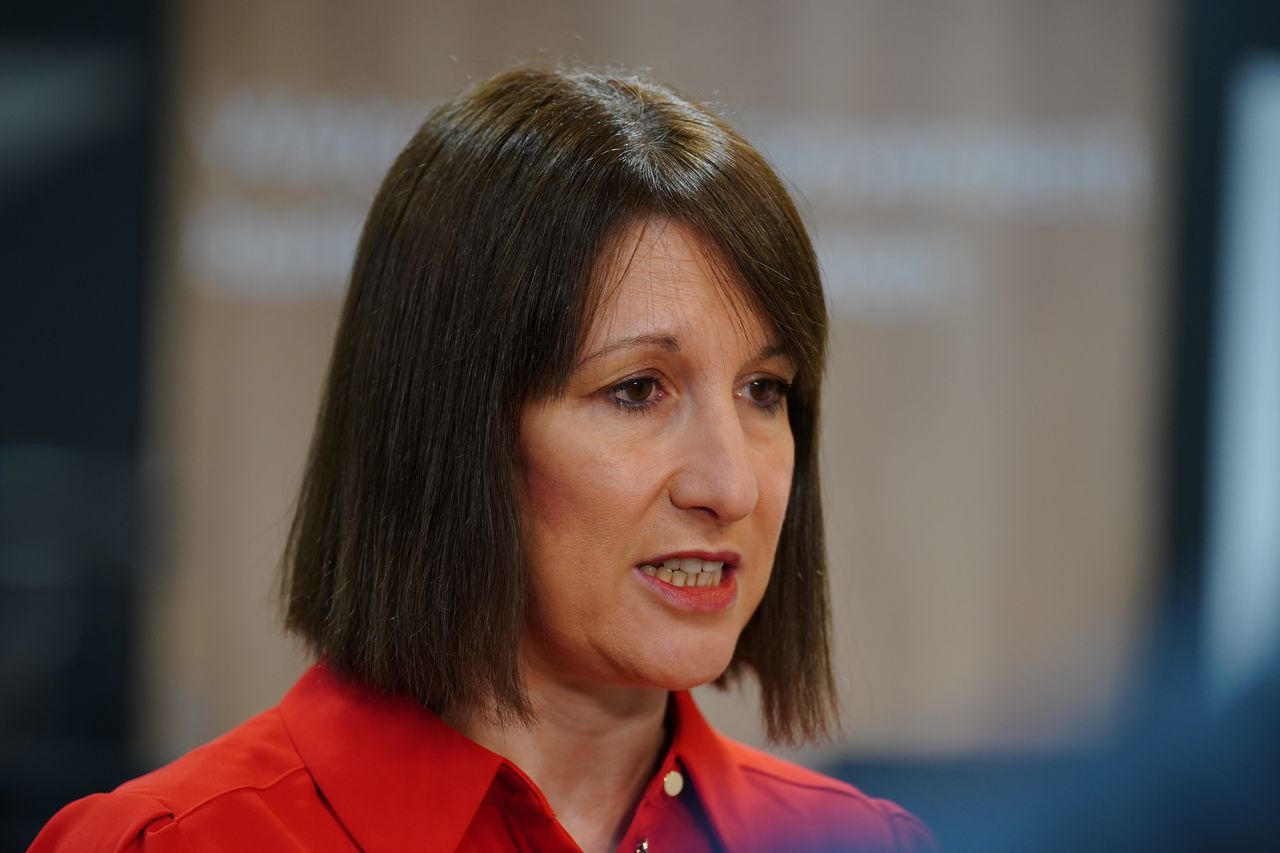
However, four months into her role, the economic landscape presents challenges that are becoming increasingly difficult to navigate.
Recent indicators suggest that the UK economy has encountered significant headwinds.
The Bank of England revised its growth forecast from 1.5% in November 2023 to just 0.75% in March 2024, signaling a period of stagnation.
Concurrently, borrowing costs have escalated, straining the government's finances as tax revenues diminish while expenditures related to the national debt continue to rise.
The fiscal situation has placed considerable strain on the bond markets, evoking caution reminiscent of previous economic uncertainties, although not reaching the extremes witnessed during former Prime Minister Liz Truss's administration.
As the March report from the Office for Budget Responsibility (OBR) approaches, the existing £9.9 billion headroom for fiscal maneuvers is expected to be significantly reduced, raising concerns over potential adjustments needed to adhere to fiscal rules.
Government ministers have expressed their frustrations regarding Reeves's dilemma, noting that external factors, including international trade tensions and demands for increased defense spending across Europe, complicate potential economic strategies.
Labour MPs have identified three primary short-term options for Reeves: raising taxes in the spring budget, implementing substantial cuts to public spending, or deviating from established fiscal rules.
Economists highlight the implications of these choices.
Rob Wood, chief UK economist at Pantheon Macroeconomics, asserts that failing to act could provoke adverse reactions in financial markets.
James Smith, research director at the Resolution Foundation, agrees, noting the non-negotiable nature of the Treasury’s fiscal rules and the political ramifications of each option.
Reeves has publicly ruled out any of the three options available to her.
Regarding tax increases, many economists suggest that extending the existing freeze on tax thresholds beyond 2028 could produce significant revenue.
However, Reeves previously asserted that such a move would harm working individuals, and she has committed to not seeking additional taxation from businesses.
In terms of expenditure, both Reeves and Labour leader Keir Starmer have repeatedly emphasized their commitment to avoiding austerity measures.
Any significant cuts to essential services such as the NHS and education could contradict these promises and face backlash.
The prospect of deviating from her fiscal regulations is viewed as highly detrimental by economists.
Ben Zaranko from the Institute for Fiscal Studies indicates that the most viable path forward is economic growth, yet current trends show only mixed signals for immediate uplift.
While the government is promoting policies aimed at long-term growth, these measures may not yield the fiscal relief required in the near future.
As Rachel Reeves navigates this complex economic terrain, the implications of her decisions will be watched closely, both domestically and internationally, as the UK faces a challenging road ahead.