LONDON DAILY ARCHIVE
UK and NATO Officials Urge Readiness for Conflict in Europe
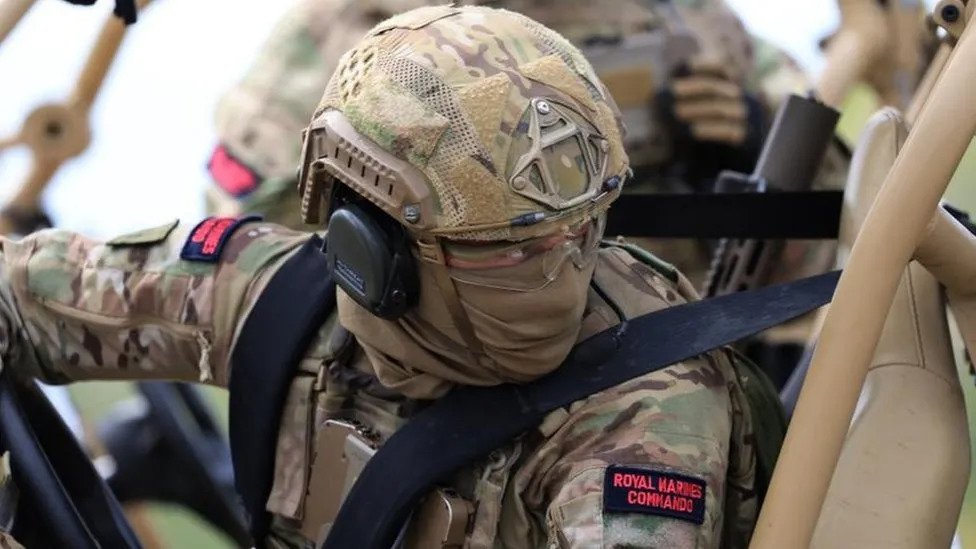
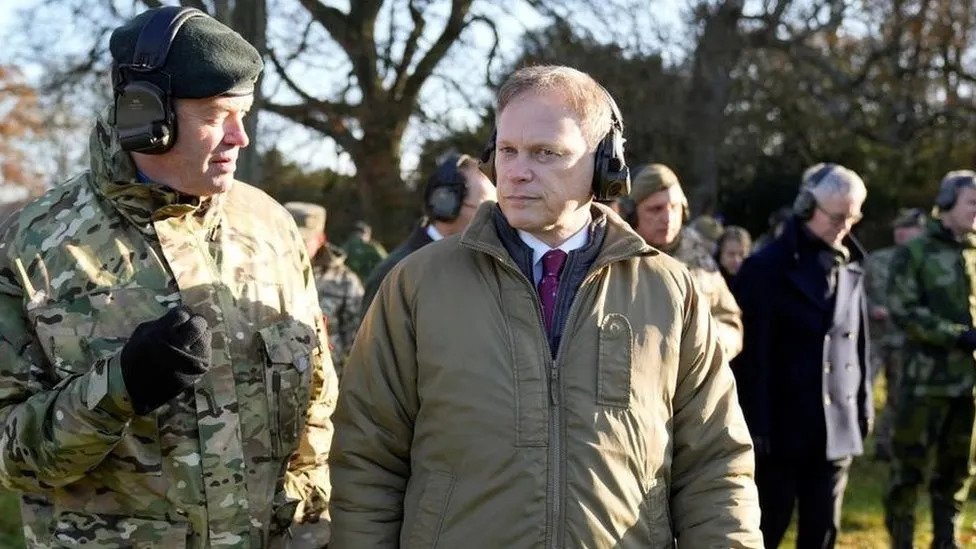
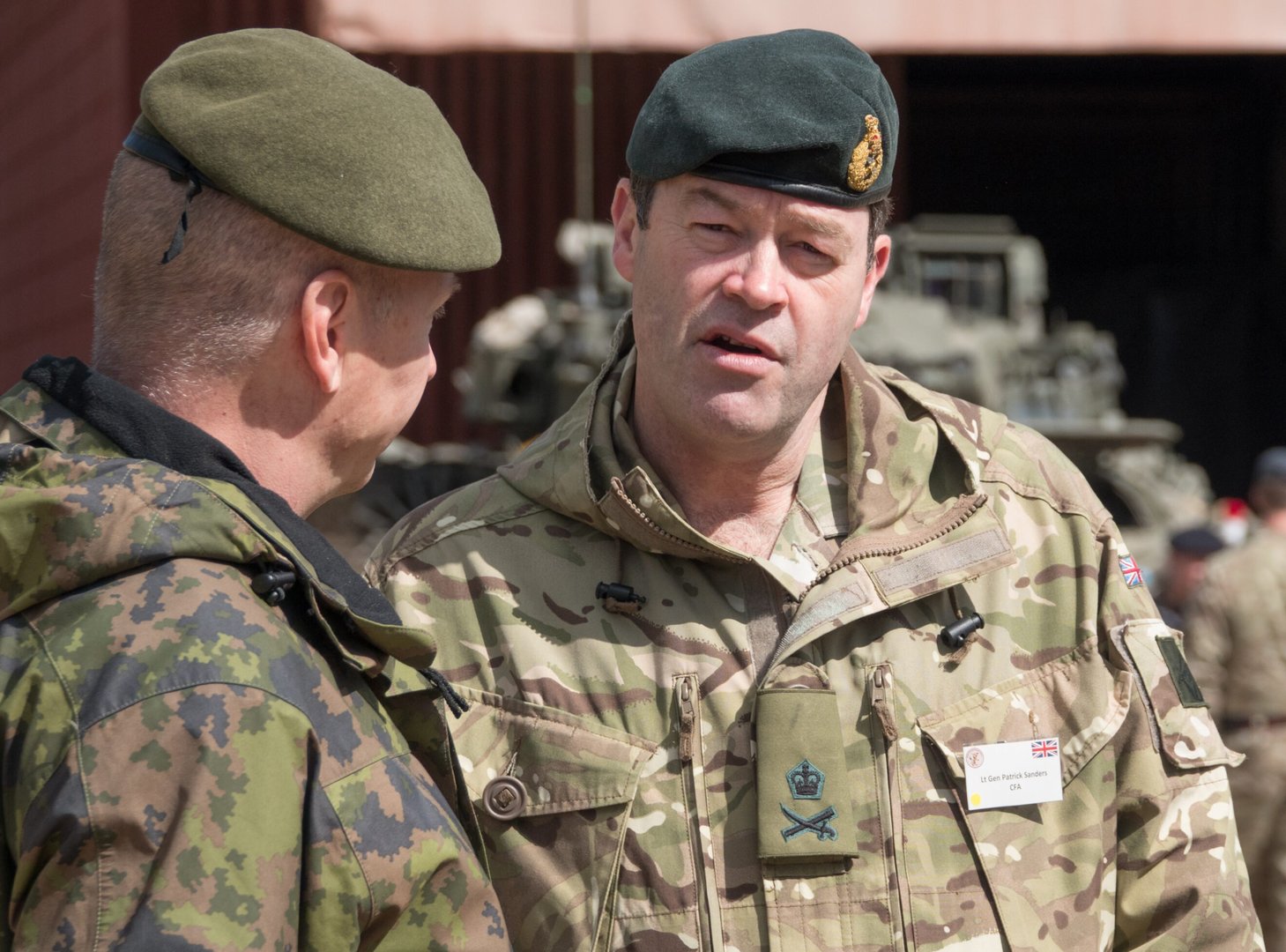
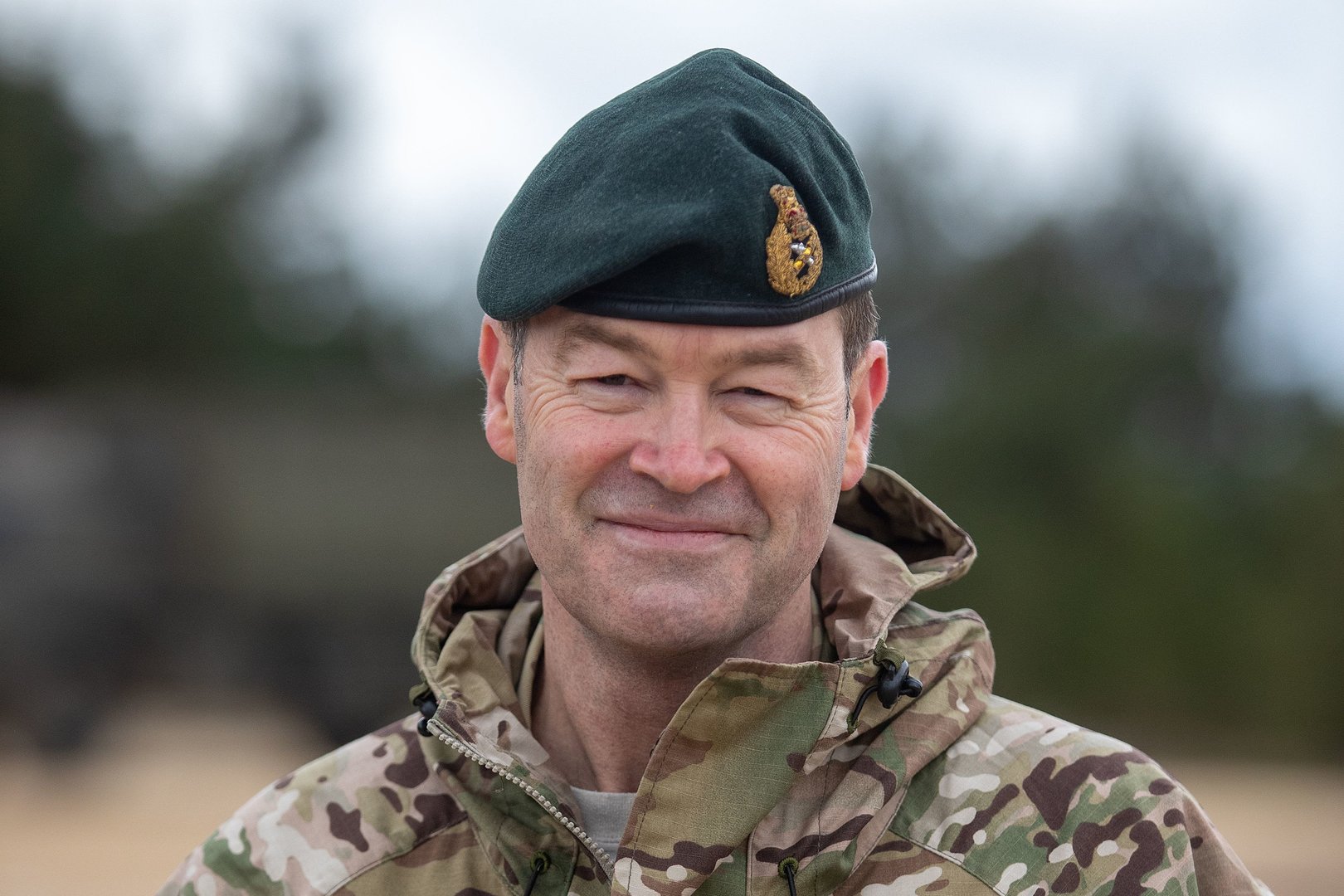
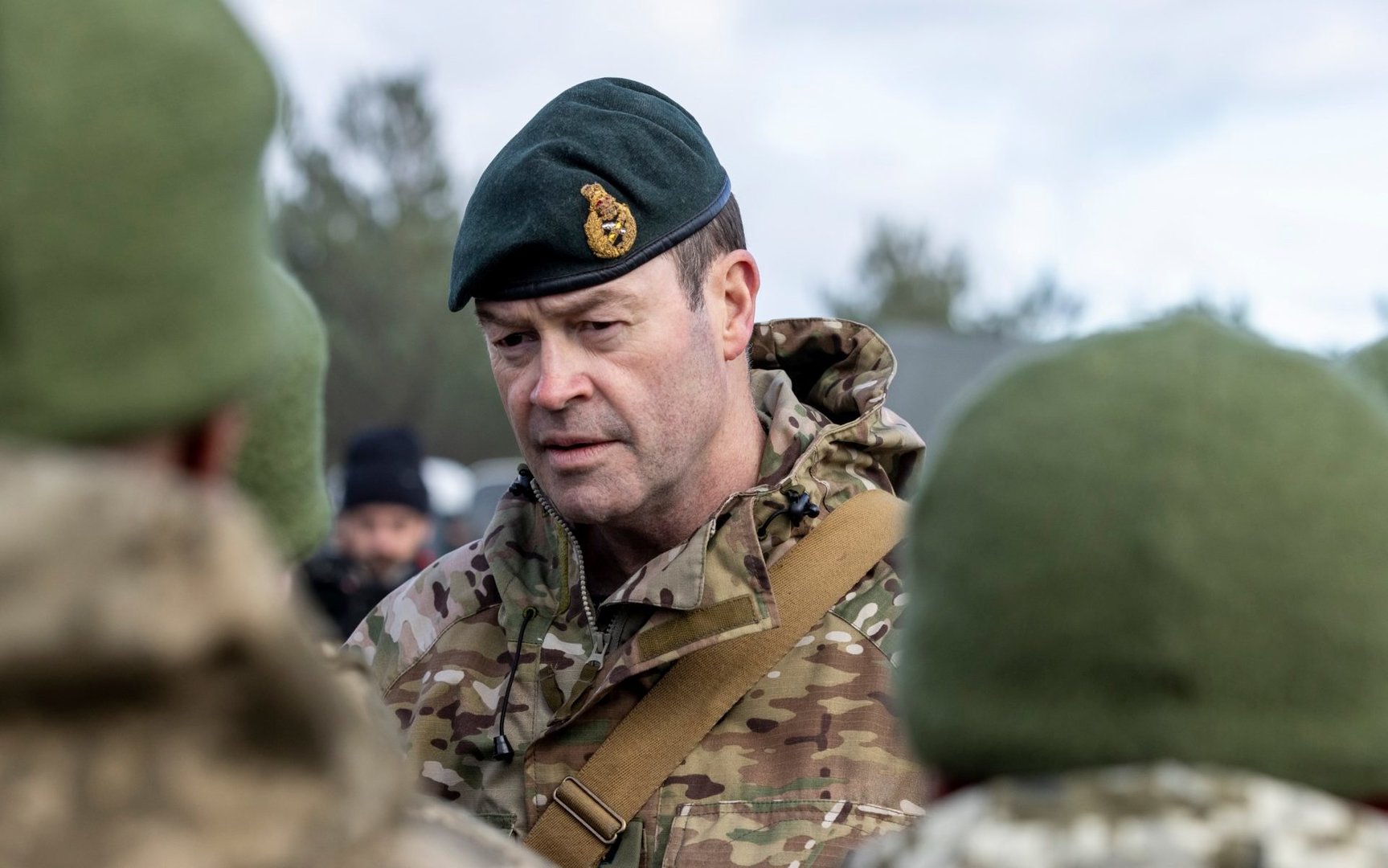
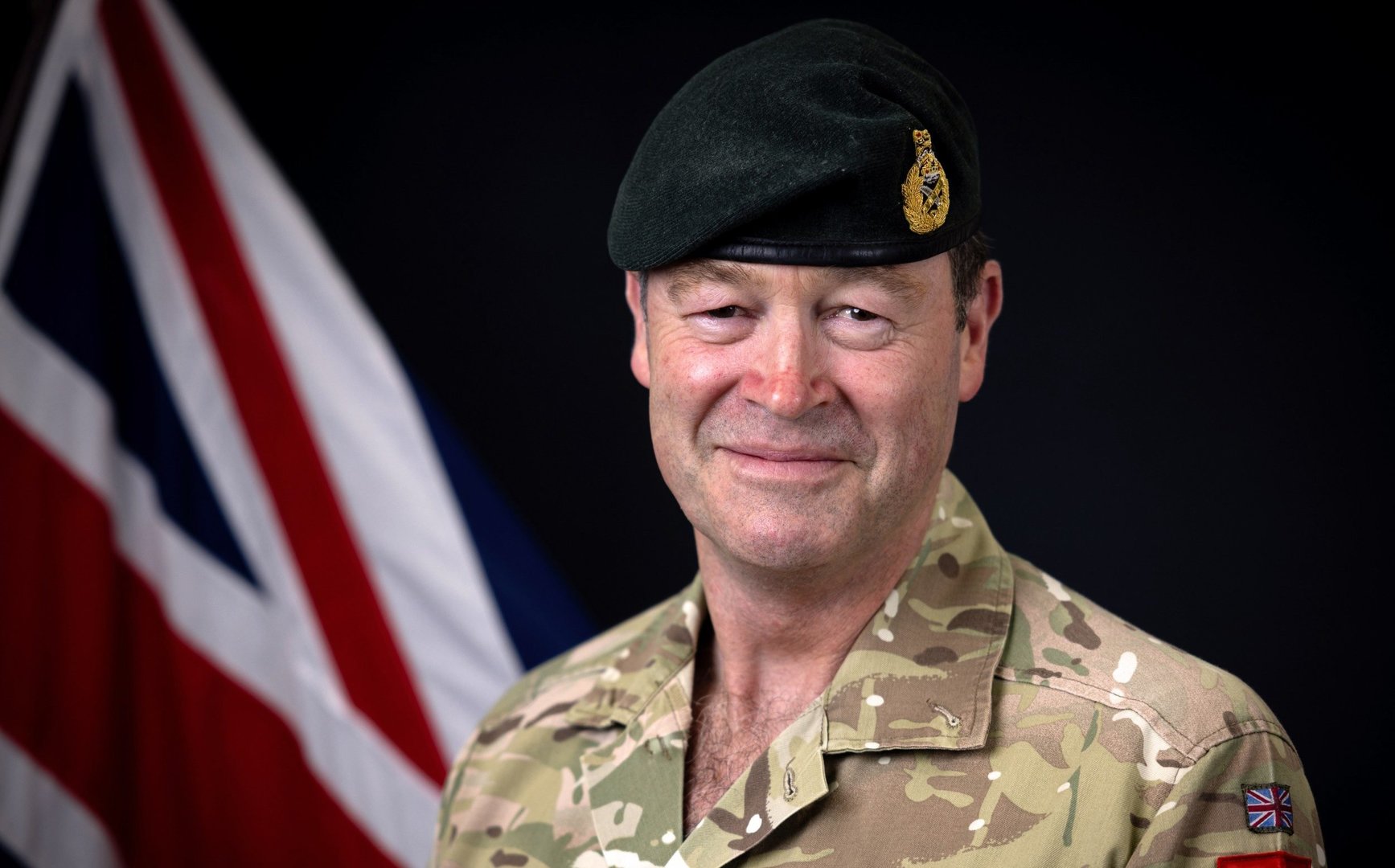
Amid increasing tensions in Europe, the British Army's General Sir Patrick Sanders has conveyed a stark message, emphasizing the need for Britain to brace for a possible large-scale conflict.
26 January 2024 · 01:38 UTC
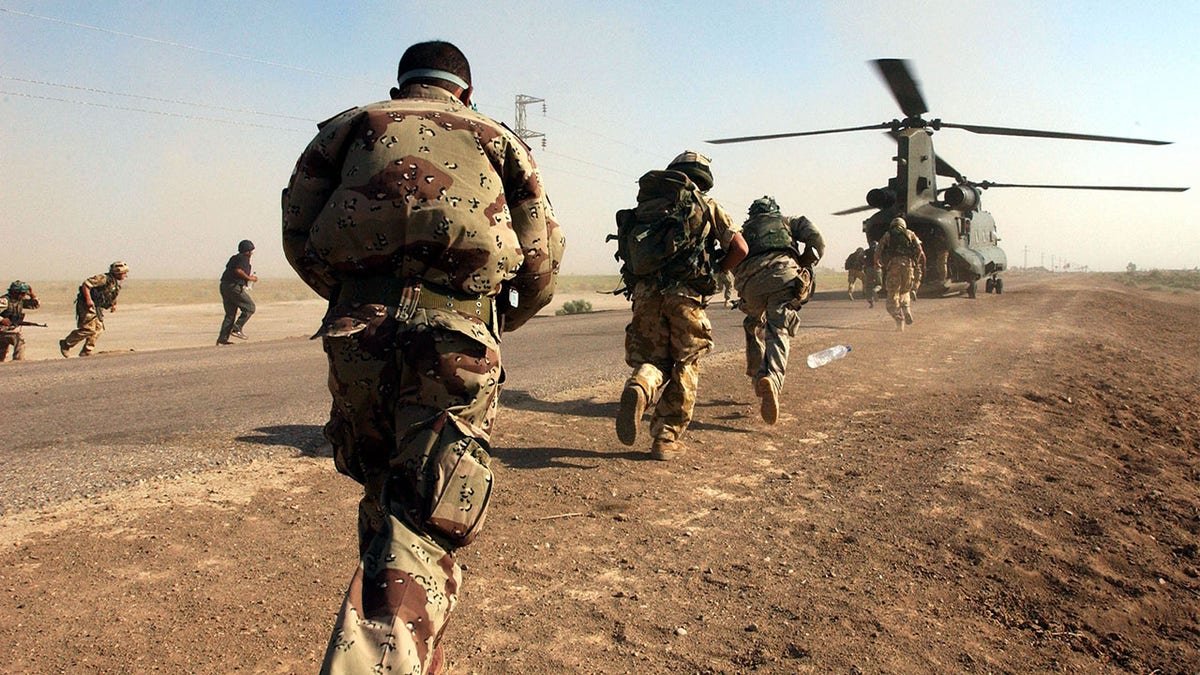
Russia's aggressive stance, particularly its invasion of Ukraine, has precipitated this heightened state of vigilance.
Across Europe, reactions vary. While some nations near Russia take the threat seriously, skepticism remains elsewhere.
Sweden, in particular, has been vocal about the potential of conflict within its borders, prompting its citizens to join voluntary defense groups and make personal preparations, such as stockpiling supplies.
Conscription Practices in Northern Europe
Countries like Sweden, Norway, and Finland employ conscription to bolster their military forces, with varying degrees of participation among their citizens.
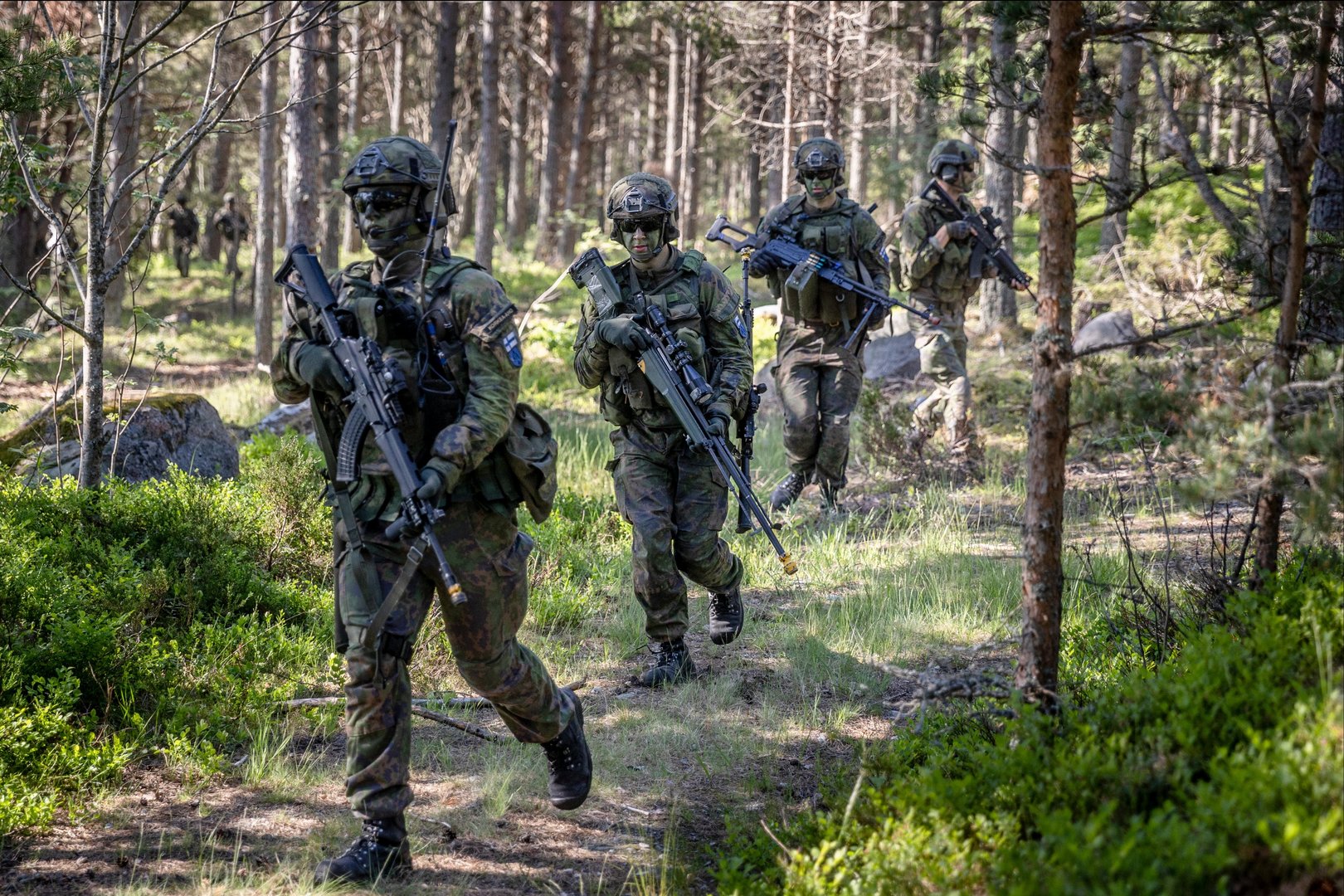
Finland, sharing a significant border with Russia, has a comprehensive conscription policy resulting in a large reserve force that complements its full-time military personnel.
Prospects of Conscription in the UK
The UK does not currently have conscription, having abolished National Service in 1960, and there are no intentions of reinstating it. General Sanders has clarified that he is not advocating for conscription or an immediate volunteer mobilization.
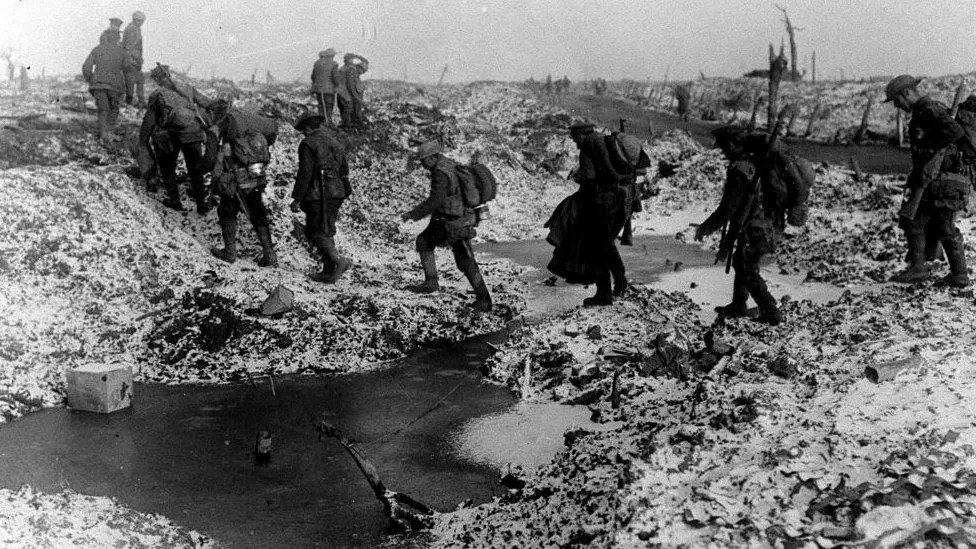
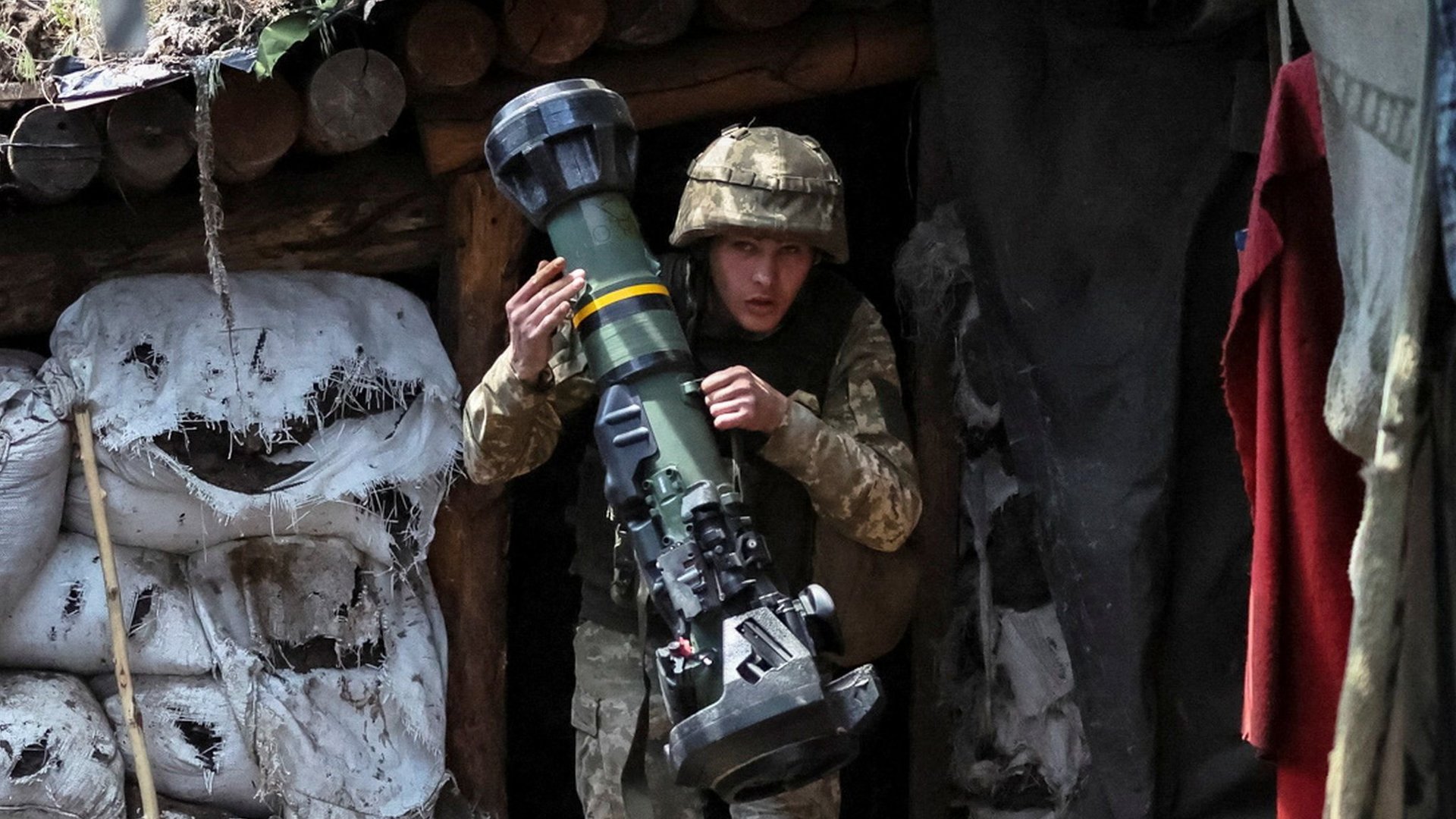
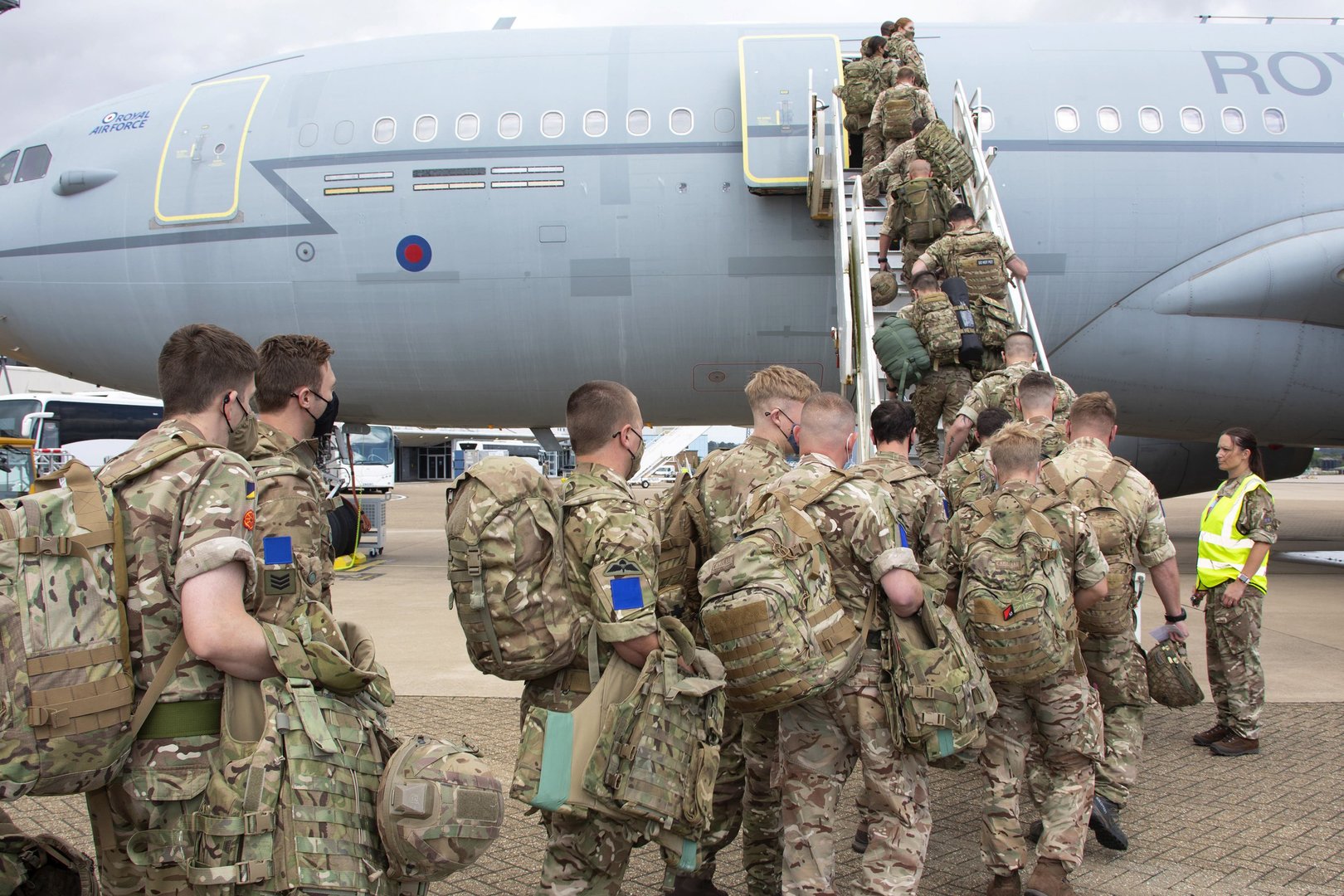
Rather, he proposes that the UK should develop the capability for rapid expansion of its military forces in the event of war, suggesting that a "citizen army," much like the one seen in Ukraine, could be crucial to victory in a sustained conflict.
However, the idea of a citizen army and increased defense spending lacks overt political backing, and the UK government has not committed to a timeline to meet the proposed defense budget target of 2.5% of the national income.
The Idea of a Citizen Army
The Army has begun contemplating how to form such a citizens' army, learning from the training provided to Ukrainian civilians in the UK. This initiative could serve as a model for how Britain might swiftly scale up its military capabilities if required.
Despite General Sanders' urgent call to action, the lack of political endorsement and the current complacency of a country at peace mean significant shifts in national defense strategy may not be imminent.
An unnamed former senior minister noted that this complacency could stem from a generational divide in the perception of threats similar to those from the Cold War era.