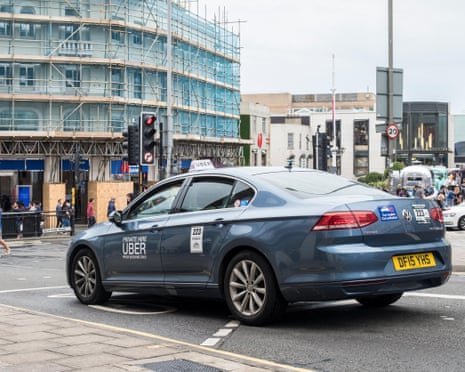
Uber Rewrites UK Driver Contracts to Sidestep New Taxi Tax and Preserve Competitive Fares
In response to the British government’s expanded value-added tax on ride-hailing fares, Uber shifts to an agency model outside London to avoid the full 20% levy, keeping most journeys VAT-free for now
Uber has moved swiftly to restructure its contractual arrangements with drivers in the United Kingdom as a major tax reform on ride-hailing services comes into effect.
In the Autumn Budget, the British government introduced a so-called “taxi tax” that removes ride-hailing firms from a favourable margin-based value-added tax regime and subjects full fares to the standard 20% VAT from early January two thousand twenty-six.
The policy was designed to close a long-standing loophole allowing firms such as Uber and other private hire operators to pay VAT only on their profit element rather than on the total passenger fare, with ministers estimating the change could raise around seven hundred million pounds annually for the exchequer.
The response from Uber has been to issue revised terms and conditions for drivers outside of London, redefining itself legally as an agent rather than the principal supplier of transport services.
Under the new structure, drivers enter into direct contracts with passengers and would bear any VAT liability themselves, while Uber would charge VAT only on its commission.
Because most drivers operate below the United Kingdom’s VAT registration threshold of ninety thousand pounds in annual revenue, the majority would not be required to charge VAT, effectively leaving most fares outside the capital untaxed and helping to shield customers from immediate price rises under the new regime.
The revised contractual model does not apply in London, where Transport for London regulations prohibit the agency structure and require operators such as Uber to contract directly with passengers; as a result, VAT will be applied to full fares in the capital from January two thousand twenty-six.
Uber’s regional leadership has emphasised that the company’s adjustments are intended to maintain affordable fares and viable driver earnings amid a regulatory shift it argues could otherwise reduce work opportunities and raise transport costs.
Treasury officials have defended the “taxi tax” as a measure to level the playing field with traditional taxi operators and ensure fair taxation across the sector.
The impact of Uber’s contractual changes on projected tax revenues and the broader ride-hailing market will become clearer as the new law takes effect this year.
In the Autumn Budget, the British government introduced a so-called “taxi tax” that removes ride-hailing firms from a favourable margin-based value-added tax regime and subjects full fares to the standard 20% VAT from early January two thousand twenty-six.
The policy was designed to close a long-standing loophole allowing firms such as Uber and other private hire operators to pay VAT only on their profit element rather than on the total passenger fare, with ministers estimating the change could raise around seven hundred million pounds annually for the exchequer.
The response from Uber has been to issue revised terms and conditions for drivers outside of London, redefining itself legally as an agent rather than the principal supplier of transport services.
Under the new structure, drivers enter into direct contracts with passengers and would bear any VAT liability themselves, while Uber would charge VAT only on its commission.
Because most drivers operate below the United Kingdom’s VAT registration threshold of ninety thousand pounds in annual revenue, the majority would not be required to charge VAT, effectively leaving most fares outside the capital untaxed and helping to shield customers from immediate price rises under the new regime.
The revised contractual model does not apply in London, where Transport for London regulations prohibit the agency structure and require operators such as Uber to contract directly with passengers; as a result, VAT will be applied to full fares in the capital from January two thousand twenty-six.
Uber’s regional leadership has emphasised that the company’s adjustments are intended to maintain affordable fares and viable driver earnings amid a regulatory shift it argues could otherwise reduce work opportunities and raise transport costs.
Treasury officials have defended the “taxi tax” as a measure to level the playing field with traditional taxi operators and ensure fair taxation across the sector.
The impact of Uber’s contractual changes on projected tax revenues and the broader ride-hailing market will become clearer as the new law takes effect this year.