LONDON DAILY ARCHIVE
U.S. Tariffs Imposed on Sub-Antarctic Islands Amid Criticism
A ten percent tariff has been levied on Australian territories home to penguins and seals, provoking reactions from critics and public commentators.
04 April 2025 · 08:48 UTC
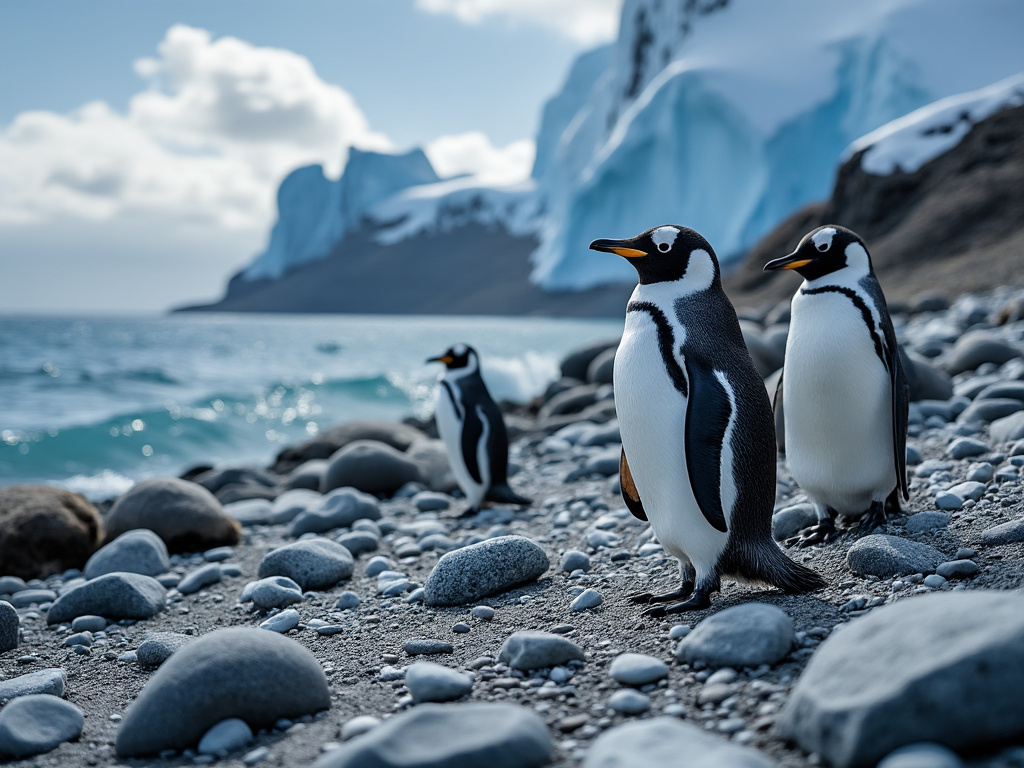
The decision to impose tariffs on these uninhabited islands, primarily populated by wildlife such as seals and penguins, has drawn widespread attention and skepticism.
Critics have taken to social media to mock the rationale behind including these territories in the tariff policy.
The tariffs were part of a broader trade strategy outlined by the administration, which cited this as a measure to protect American interests.
A White House chart indicated that these islands were categorized alongside other trading partners, despite their lack of economic activity and human inhabitants.
Commentators from various backgrounds have voiced their bemusement, including former Trump communications director Anthony Scaramucci, who humorously remarked on social media about the supposed economic impact of the penguins.
Washington Post National Security editor also expressed skepticism, coining that the islands had been 'taking advantage of' U.S. taxpayers.
Former Congressman Tom Malinowski echoed similar sentiments on social media, asserting that it was time for the U.S. to confront the issues supposedly posed by the wildlife of these remote islands.
In response to the stirred debate, White House Press Secretary Karoline Leavitt shared a link to the methodology used by the United States Trade Representative to calculate the tariffs.
This communication emphasized a commitment to transparency regarding tariff implementation policies.
The inclusion of the sub-Antarctic islands in U.S. tariff policy raises questions about the scope of international trade measures and their intended purposes, especially in relation to areas with no commercial activity.