Turkey Explores S-400 Transfer to UAE in Bid to Rejoin F-35 Program
Ankara is discussing whether to move its Russian-built air-defense system to the United Arab Emirates, but any arrangement would still require Russian consent, United States approval and congressional acceptance.
Turkey is exploring the transfer of its Russian-made S-400 air-defense system to the United Arab Emirates as part of an effort to remove the principal obstacle blocking its return to the United States-led F-35 fighter program.
The proposal would separate the Russian missile system from Turkish territory, addressing Washington's concern that operating the S-400 alongside the F-35 could expose sensitive information about the stealth aircraft.
The talks remain preliminary.
No transfer has been announced, and the governments of Turkey, the United Arab Emirates, Russia and the United States have not publicly confirmed a completed agreement.
Turkish defense officials have said work on the S-400 issue is continuing, while Moscow has acknowledged contact with Ankara over the system.
Turkey was an original international partner in the F-35 program and planned to buy as many as one hundred aircraft.
Turkish companies also manufactured components for the jet.
That relationship collapsed after Ankara accepted delivery of the S-400 in 2019 despite repeated American warnings that the Russian platform was incompatible with participation in the program.
The United States subsequently removed Turkey from the F-35 consortium, halted aircraft transfers and imposed sanctions on Turkey's defense procurement agency under legislation targeting significant transactions with the Russian defense sector.
Turkey had already paid approximately one point four billion dollars into the program, creating an additional financial dispute that has remained unresolved.
The American objection is technical as well as political.
The S-400 is built to detect and track advanced aircraft.
United States defense officials have long argued that its radar and data systems could collect information about the F-35's electronic emissions, flight patterns and reduced radar signature.
They have also opposed the presence of Russian technicians near North Atlantic Treaty Organization aircraft and infrastructure.
Moving the system to the Emirates could provide Ankara with a route out of the impasse, but physical relocation alone may not satisfy American law.
Washington would need assurances that Turkey had relinquished possession, control and operational access to the equipment.
The administration would then have to determine whether Ankara had met the conditions required to lift sanctions and permit renewed participation in the fighter program.
Congress would retain an important role.
Major American weapons transfers are subject to legislative review, and some lawmakers remain wary of supplying Turkey with the most advanced United States combat aircraft.
Their objections include Ankara's relations with Russia, tensions with Greece and Cyprus, and concern that the sale could alter the regional military balance.
Israel is also likely to scrutinize any Turkish F-35 acquisition.
American policy has traditionally protected Israel's qualitative military edge in the Middle East, and Israeli officials would assess whether Turkish access to stealth fighters could erode that advantage amid strained relations between Ankara and Jerusalem.
That concern would form part of the broader political calculation even if the S-400 problem were resolved.
The United Arab Emirates has a clear reason to examine the proposal.
The Gulf state has invested heavily in air and missile defense and faces a growing threat from ballistic missiles, cruise missiles and armed drones.
Its own plan to acquire up to fifty F-35s from the United States has remained stalled since negotiations faltered over American security conditions and concerns about safeguarding advanced technology.
An S-400 transfer to the Emirates would therefore create a complicated arrangement.
The United Arab Emirates is a close American security partner that operates Western military systems, yet accepting a major Russian platform could expose it to the same interoperability, intelligence-security and sanctions questions that confronted Turkey.
Abu Dhabi would require extensive political assurances before assuming that risk.
Russia would also have leverage over the transaction.
Defense-export agreements commonly restrict resale or transfer to third countries, meaning Ankara would probably need Moscow's consent.
Russia could demand financial, military or diplomatic concessions, particularly because relinquishing the S-400 would help Turkey repair relations with Washington and strengthen its position within the Atlantic alliance.
Turkey has considered other possible solutions, including placing the system in storage, disabling it, transferring it to another country or subjecting it to some form of external monitoring.
None has yet produced a formula acceptable to all parties.
The central American requirement has remained consistent: the S-400 must no longer pose a security risk to the F-35 or allied defense networks.
President Recep Tayyip Erdogan has strong incentives to settle the dispute.
Turkey's air force operates an aging fleet centered on F-16 fighters and needs modern aircraft to preserve combat capability while its domestically developed Kaan fighter progresses toward operational service.
Ankara is also pursuing Eurofighter Typhoons and newer F-16s, but the F-35 would provide a level of stealth, sensor integration and networked warfare that those alternatives do not fully replicate.
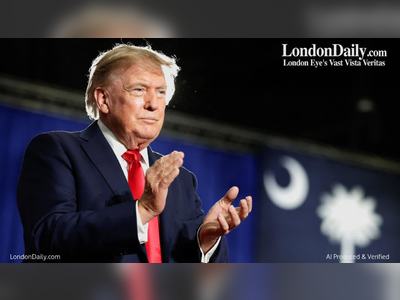
President Donald Trump has signaled a willingness to reconsider restrictions on Turkey if the Russian-system problem is resolved.
His administration views Ankara as an influential North Atlantic Treaty Organization ally with strategic reach across the Black Sea, Middle East and eastern Mediterranean.
A settlement could restore defense cooperation while reducing one of the most persistent sources of friction between the two countries.
The proposed Emirates transfer is therefore not simply an arms sale.
It is an attempt to unwind the consequences of Turkey's decision to buy a Russian system while preserving its relationships with Moscow, Washington and the Gulf states.
The next operational step is for the parties to establish whether Russia will authorize a transfer and whether the United States will accept permanent removal of the S-400 as sufficient grounds to reopen Turkey's path to the F-35.
The proposal would separate the Russian missile system from Turkish territory, addressing Washington's concern that operating the S-400 alongside the F-35 could expose sensitive information about the stealth aircraft.
The talks remain preliminary.
No transfer has been announced, and the governments of Turkey, the United Arab Emirates, Russia and the United States have not publicly confirmed a completed agreement.
Turkish defense officials have said work on the S-400 issue is continuing, while Moscow has acknowledged contact with Ankara over the system.
Turkey was an original international partner in the F-35 program and planned to buy as many as one hundred aircraft.
Turkish companies also manufactured components for the jet.
That relationship collapsed after Ankara accepted delivery of the S-400 in 2019 despite repeated American warnings that the Russian platform was incompatible with participation in the program.
The United States subsequently removed Turkey from the F-35 consortium, halted aircraft transfers and imposed sanctions on Turkey's defense procurement agency under legislation targeting significant transactions with the Russian defense sector.
Turkey had already paid approximately one point four billion dollars into the program, creating an additional financial dispute that has remained unresolved.
The American objection is technical as well as political.
The S-400 is built to detect and track advanced aircraft.
United States defense officials have long argued that its radar and data systems could collect information about the F-35's electronic emissions, flight patterns and reduced radar signature.
They have also opposed the presence of Russian technicians near North Atlantic Treaty Organization aircraft and infrastructure.
Moving the system to the Emirates could provide Ankara with a route out of the impasse, but physical relocation alone may not satisfy American law.
Washington would need assurances that Turkey had relinquished possession, control and operational access to the equipment.
The administration would then have to determine whether Ankara had met the conditions required to lift sanctions and permit renewed participation in the fighter program.
Congress would retain an important role.
Major American weapons transfers are subject to legislative review, and some lawmakers remain wary of supplying Turkey with the most advanced United States combat aircraft.
Their objections include Ankara's relations with Russia, tensions with Greece and Cyprus, and concern that the sale could alter the regional military balance.
Israel is also likely to scrutinize any Turkish F-35 acquisition.
American policy has traditionally protected Israel's qualitative military edge in the Middle East, and Israeli officials would assess whether Turkish access to stealth fighters could erode that advantage amid strained relations between Ankara and Jerusalem.
That concern would form part of the broader political calculation even if the S-400 problem were resolved.
The United Arab Emirates has a clear reason to examine the proposal.
The Gulf state has invested heavily in air and missile defense and faces a growing threat from ballistic missiles, cruise missiles and armed drones.
Its own plan to acquire up to fifty F-35s from the United States has remained stalled since negotiations faltered over American security conditions and concerns about safeguarding advanced technology.
An S-400 transfer to the Emirates would therefore create a complicated arrangement.
The United Arab Emirates is a close American security partner that operates Western military systems, yet accepting a major Russian platform could expose it to the same interoperability, intelligence-security and sanctions questions that confronted Turkey.
Abu Dhabi would require extensive political assurances before assuming that risk.
Russia would also have leverage over the transaction.
Defense-export agreements commonly restrict resale or transfer to third countries, meaning Ankara would probably need Moscow's consent.
Russia could demand financial, military or diplomatic concessions, particularly because relinquishing the S-400 would help Turkey repair relations with Washington and strengthen its position within the Atlantic alliance.
Turkey has considered other possible solutions, including placing the system in storage, disabling it, transferring it to another country or subjecting it to some form of external monitoring.
None has yet produced a formula acceptable to all parties.
The central American requirement has remained consistent: the S-400 must no longer pose a security risk to the F-35 or allied defense networks.
President Recep Tayyip Erdogan has strong incentives to settle the dispute.
Turkey's air force operates an aging fleet centered on F-16 fighters and needs modern aircraft to preserve combat capability while its domestically developed Kaan fighter progresses toward operational service.
Ankara is also pursuing Eurofighter Typhoons and newer F-16s, but the F-35 would provide a level of stealth, sensor integration and networked warfare that those alternatives do not fully replicate.
President Donald Trump has signaled a willingness to reconsider restrictions on Turkey if the Russian-system problem is resolved.
His administration views Ankara as an influential North Atlantic Treaty Organization ally with strategic reach across the Black Sea, Middle East and eastern Mediterranean.
A settlement could restore defense cooperation while reducing one of the most persistent sources of friction between the two countries.
The proposed Emirates transfer is therefore not simply an arms sale.
It is an attempt to unwind the consequences of Turkey's decision to buy a Russian system while preserving its relationships with Moscow, Washington and the Gulf states.
The next operational step is for the parties to establish whether Russia will authorize a transfer and whether the United States will accept permanent removal of the S-400 as sufficient grounds to reopen Turkey's path to the F-35.