LONDON DAILY ARCHIVE
Leading AI Companies Change Position, Advocate for Reduced Regulations with New U.S. Administration
Tech behemoths withdraw their previous support for AI regulation, pursuing greater access to data and seeking exemptions from copyright limitations in response to heightened global competition.
26 March 2025 · 08:42 UTC
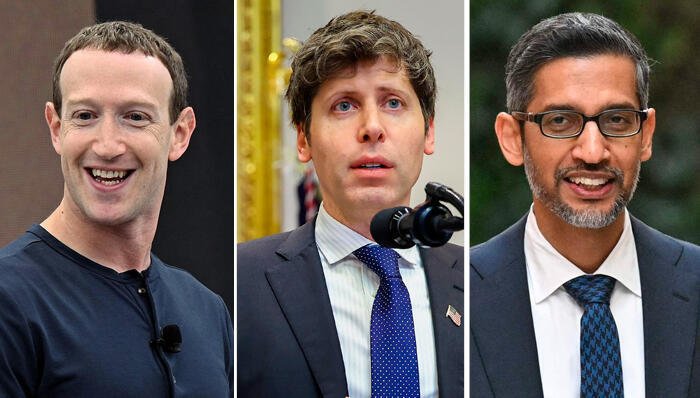
Their calls for oversight aimed to address potential existential risks associated with advanced AI technologies, proposing measures such as algorithm audits, content labeling, and shared risk data among companies.
At that time, the U.S. administration worked with AI developers to establish voluntary agreements intended to enhance the safety and equity of AI solutions.
In October 2023, a presidential executive order formalized these guidelines, mandating that federal agencies assess the possible effects of AI systems on privacy, workers' rights, and civil freedoms.
After a change in administration, there was a significant shift in the approach to AI policy.
Within the first week of the new presidential term, an executive order was issued to overturn the previous administration's policies and to advocate for initiatives that foster the development of American AI capabilities.
This new order instructed the creation of a national strategy to eliminate regulatory obstacles within 180 days.
In the following weeks after the policy change, AI firms submitted documents and requests aimed at influencing the new framework.
One fifteen-page proposal from OpenAI urged the federal government to stop individual U.S. states from creating their own AI regulations.
It also mentioned the Chinese AI company DeepSeek, which developed a competitive model using far fewer computational resources than typically required by American firms, to argue for expanded access to federal data for model training.
OpenAI, Google, and Meta also sought increased rights to utilize copyrighted material—such as books, films, and artworks—for training AI models.
All three companies are currently facing ongoing legal challenges related to copyright infringement.
They have called for executive clarification or legislative measures affirming that using publicly available information for model training falls under fair use.
Additionally, a prominent U.S. venture capital firm submitted a policy paper advocating against any new AI-specific regulations, contending that current consumer safety and civil rights statutes are adequate.
The firm supported punitive measures against harmful entities but was against requirements that would create regulatory obligations based on hypothetical risks.
This policy shift aligns with rising concerns among AI developers regarding intensifying global competition.
During the previous administration, leading U.S. companies believed their substantial investments and computational prowess granted them a sustainable edge, particularly as bans were placed on exporting advanced AI chips to nations like China.
Recent occurrences, including the launch of advanced models by smaller international competitors, have challenged this belief.
Some U.S. AI firms have reevaluated the extent of their technological advantage and are now pursuing faster access to resources and reduced regulatory restrictions.
This reassessment has resulted in a notable change in industry lobbying, with leading AI companies now focusing on competitive positioning rather than earlier appeals for careful and collaborative oversight.