LONDON DAILY ARCHIVE
Trump Administration Unveils Gold Card Visa Program Exempting Foreign Assets from U.S. Taxation
The new $5 million visa program seeks to draw high-net-worth individuals while tackling issues related to global taxation.
08 March 2025 · 01:30 UTC
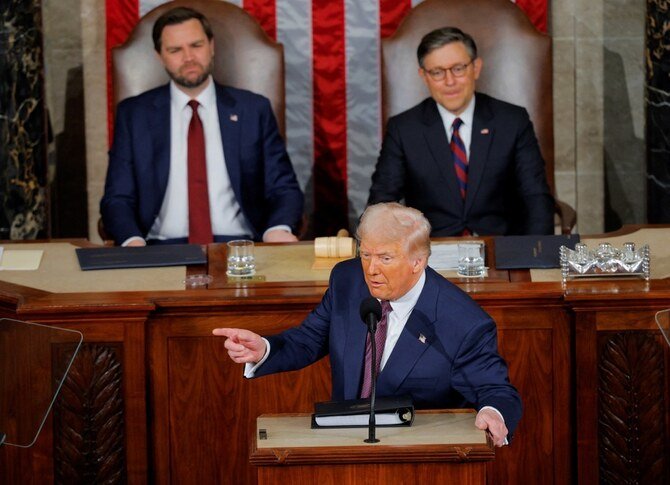
This program permits individuals who invest a minimum of $5 million in the U.S. to gain residency and potentially citizenship, all while avoiding taxes on their overseas assets.
The announcement aligns with a broader strategy by the Trump administration to attract high-net-worth individuals, especially from the Gulf region.
Trump emphasized during his address, "Investors won’t have to pay tax from where they came, the money that they’ve made," explaining that although foreign income would be exempt from U.S. taxes, investors remain responsible for taxes on income earned within the United States.
This clarification seeks to address concerns related to the Foreign Account Tax Compliance Act (FATCA), a regulation that has previously dissuaded wealthy individuals from pursuing U.S. residency over fears of extensive global taxation.
The Gold Card visa is intended to replace the current EB-5 visa program, which necessitates a minimum investment of $1 million aimed at creating or preserving ten American jobs.
Administration officials believe that this new framework will not only simplify the immigration process for investors but also enhance job creation and talent retention by enabling them to support skilled graduates from leading U.S. universities.
Analysts have recognized the potential influence of the Gold Card initiative.
Salman Al-Ansari, a geopolitical analyst and former U.S. investor, remarked that this new tax exemption on foreign assets signifies a significant shift for Gulf investors, who have historically been reluctant to consider U.S. residency due to the implications of FATCA.
By eliminating this major hurdle, analysts suggest the U.S. may become a more attractive option for Saudi and other Gulf investors.
However, Al-Ansari warned that long-term uncertainties surrounding possible changes in U.S. tax policy might still make investors cautious.
"While the exemption on foreign assets is a compelling incentive, the income generated within the U.S. remains taxable, so investors may opt to be more selective and strategic in their investments," he stated.
The Gold Card program is anticipated to heighten competition between the United States and countries with established golden visa initiatives, such as those in the Gulf states, which have effectively drawn wealthy individuals through similar residency options.
As global investor interest shifts, the U.S. is striving to maintain its status as a premier destination by promoting its business-friendly climate and opportunities across various sectors, including real estate and energy.
This initiative is particularly crucial given its potential to draw significant foreign capital, especially from countries like Saudi Arabia, the UAE, and Qatar, all of which have set up their own residency programs to attract prominent investors.
The U.S. government's emphasis on providing a stable business environment, along with the exemption on foreign asset taxation, positions the Gold Card visa program as an appealing alternative to its global counterparts.
The administration is closely observing responses to this program as it works to improve the U.S.'s competitiveness in the global market for high-net-worth individual investments.
The Gold Card visa is being promoted not only for its tax advantages but also for the quality of its investment opportunities, aiming to ensure a sustained influx of foreign capital over the long term.