LONDON DAILY ARCHIVE
Trump Administration Moves to Cut Funding for U.S.-Funded Media Outlets Amid Global Concerns
The potential dismantling of key U.S. media organizations raises alarms among European nations and advocates for democracy worldwide.
19 March 2025 · 06:48 UTC
This decision comes amid signals of support from some European nations seeking to fill the funding gap.
Stephen Capus, CEO of RFE/RL, has described the decision as unlawful and asserted that the administration does not possess the authority to terminate funding that has been appropriated by Congress.
He indicated that RFE/RL is exploring all legal options to challenge this decision.
RFE/RL, founded during the Cold War, operates in 27 languages across 23 countries, including regions with limited press freedoms such as Belarus, Russia, and Iran.
The organization has received bipartisan support in Congress historically, largely due to its role in providing independent journalism in areas where democratic practices are under threat.
In contrast, the Trump administration views these media outlets as biased, with criticism directed towards their editorial independence by both the president and his advisors.
As the administration's decisions unfolded, EU officials expressed alarm at the implications for media freedom globally, with the European Commission calling these outlets a "beacon of truth".
Some European nations, notably Germany, alongside Nordic and Baltic states, are discussing the potential of an EU-funded initiative to replace U.S. funding for RFE/RL. Czechia’s Europe Minister Martin Dvořák emphasized the importance of RFE/RL for independent information in non-democratic contexts.
Discussions regarding a potential European support plan for RFE/RL have occurred at meetings of EU foreign ministers, where Kaja Kallas, the bloc’s top diplomat, noted that while the EU might not be able to automatically assume the role of the U.S., member states are engaging in talks to explore feasible options.
Despite the political interest in Europe, any European funding support initiative would encounter significant legal challenges.
RFE/RL operates under the supervision of the U.S. Agency for Global Media, complicating the prospects of funding from outside the United States.
Currently, RFE/RL faces an urgent financial situation, with Capus stating that the organization has roughly a month's worth of funds available to maintain operations.
The potential cessation of its activities has been characterized as ceding ground to adversaries, including Russian and Chinese media, which are poised to fill any void left by RFE/RL.
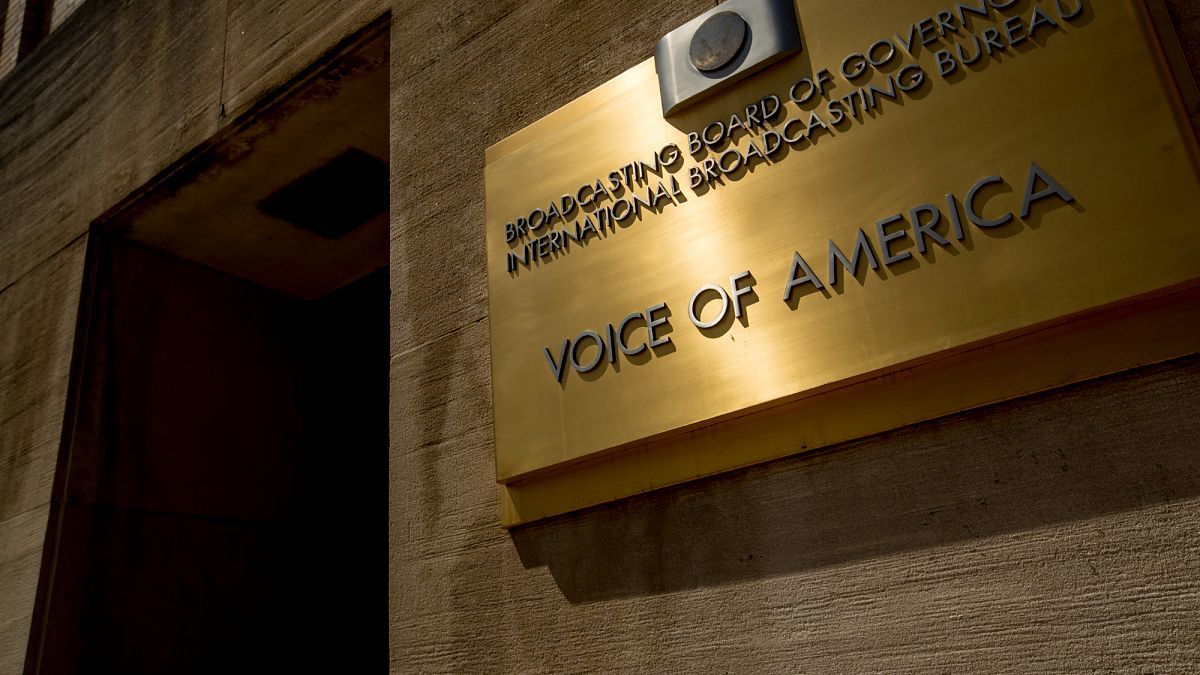
Similarly, VOA has placed over 1,300 employees on administrative leave, marking a significant disruption in its operations, which have been ongoing since its founding in 1942. The editorial independence of these outlets has historically been protected by various legislative measures, asserting the importance of providing reliable news.
The dismantling of these media organizations has reignited debates over U.S. global media presence, with critics warning of long-term repercussions for American diplomatic interests and the promotion of democratic values abroad.
Trump’s administration has defended its stance by labeling the media as 'radical propaganda', positioning it against a backdrop of political contention surrounding government-funded media operations.