LONDON DAILY ARCHIVE
Travel: The £525 Wager That Launched Daily Commutes
Your morning commute's origin didn't take place in a bustling metropolis—it began with a bet in a quiet Welsh valley.
26 February 2024 · 02:52 UTC
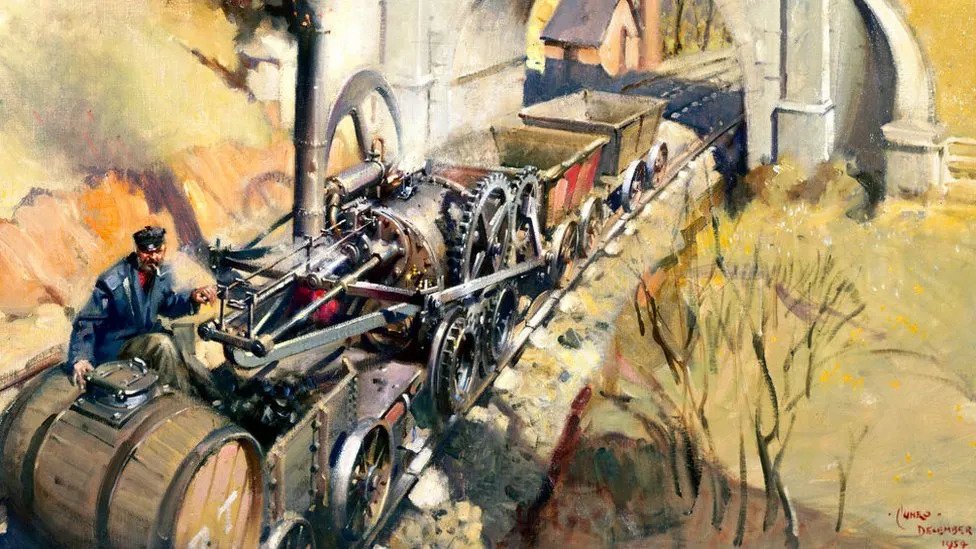
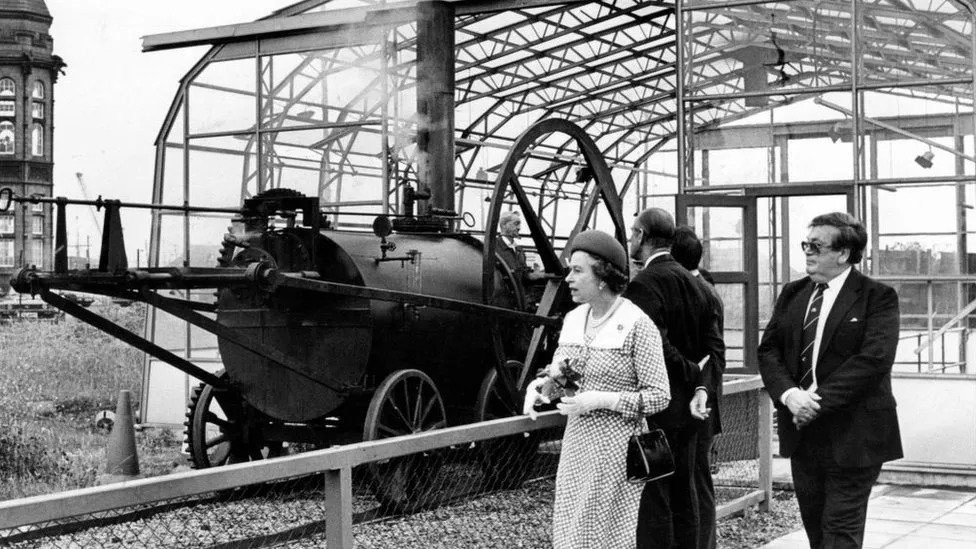
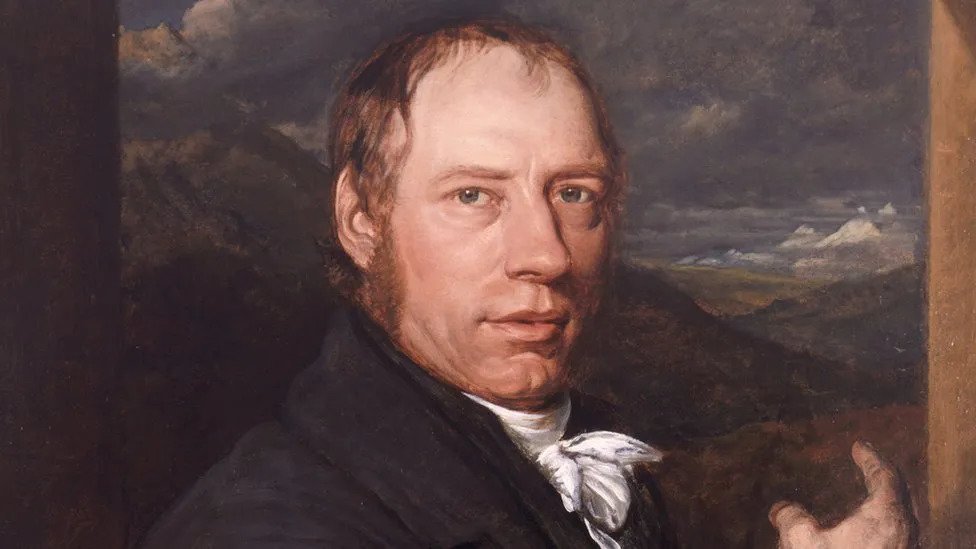
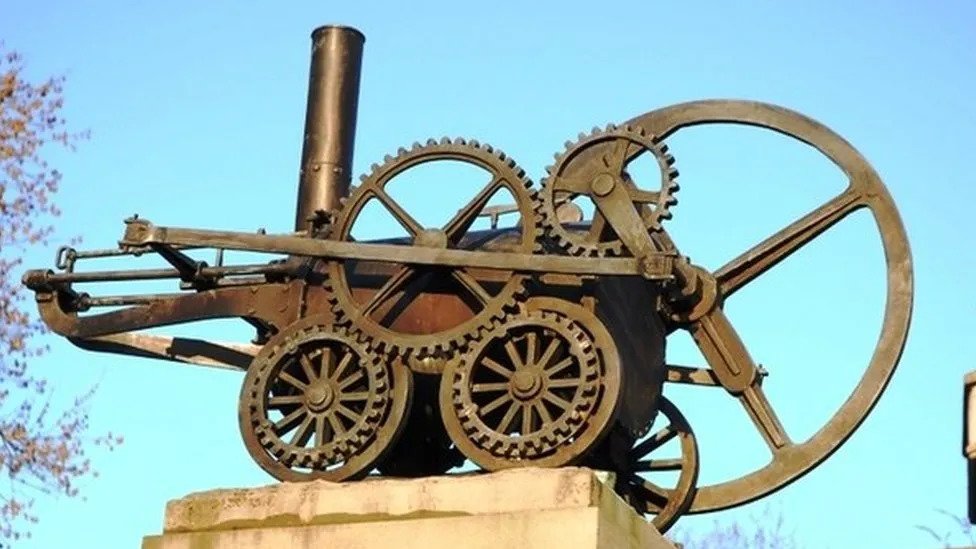
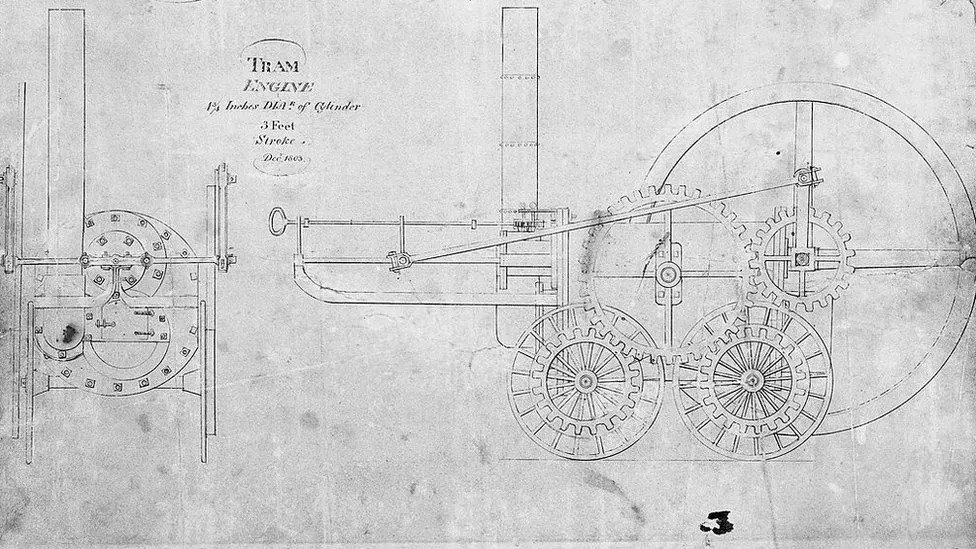
In 1804, Trevithick's engine, often recognized as the world's first railway engine, successfully operated on tracks using steam power, as noted by television historian Dan Snow.
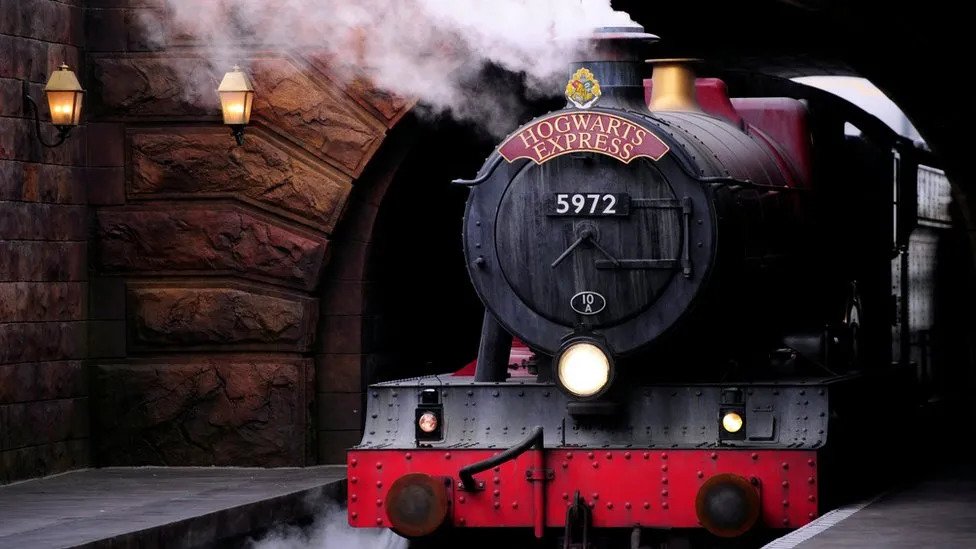
This invention is seen as a key forerunner to famous trains such as the Orient Express and even fictional ones like the Hogwarts Express and Thomas The Tank Engine.
Dan Snow explains that prior to this invention, people rarely ventured far from their birthplaces, constrained by the speed of a horse. After Trevithick's breakthrough, global mobility dramatically increased, leading to a more interconnected world.
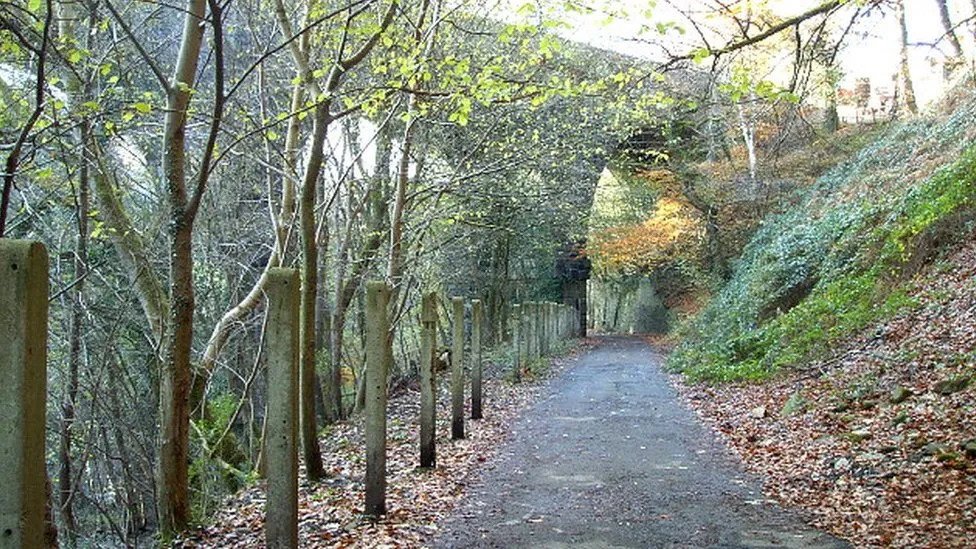
The wager that led to Trevithick's success involved Samuel Homfray, who invested in Trevithick's steam engines and bet against Richard Crawshay that Trevithick’s locomotive would function over a nine-mile ironworks tramroad.
On February 21, 1804, the five-tonne locomotive carried 70 passengers and 10 tons of iron, proving its worth despite a bolt shearing on its return which delayed its trip.
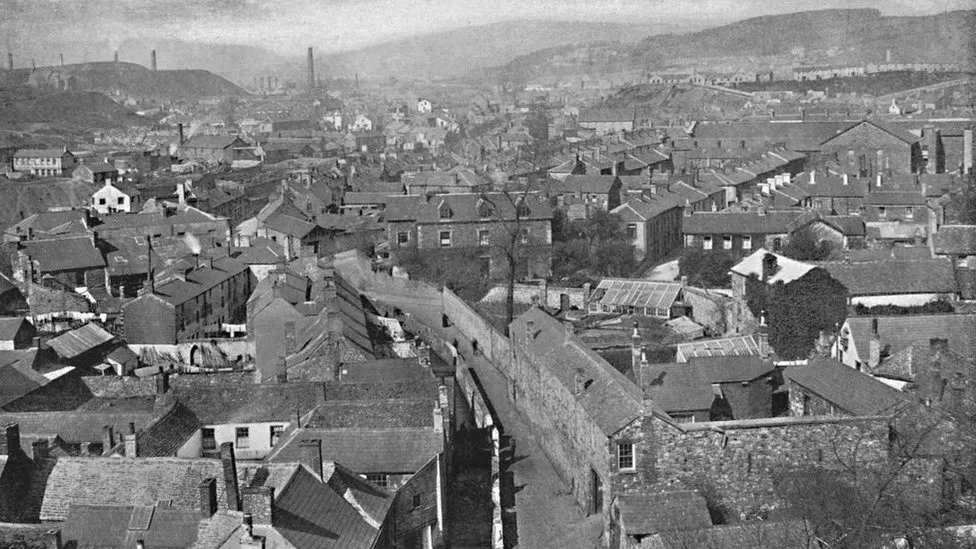
Although Trevithick's heavy locomotive sometimes broke the rails, it confirmed that steam-powered locomotives could efficiently transport significant loads, silencing sceptics and initiating a rail transport revolution. South Wales, the hub of this industrial innovation, was one of the first areas to industrialize.
While Trevithick built the first railway engine, George Stephenson is known as the "father of the railways." He developed a comprehensive railway system, including the first intercity rail line. Despite Trevithick's pivotal contributions, he lacked the public recognition that Stephenson enjoyed and died impoverished.
The historic bet of £525 not only led to Trevithick's pioneering steam locomotive but also paved the way for modern rail transportation and the commuter culture we know today.