LONDON DAILY ARCHIVE
Toxic run-off from roads not monitored
A BBC investigation has revealed a toxic combination of oil, chemicals, and tire debris from roads is contaminating rivers and streams across England, with no regular monitoring in place.
02 February 2024 · 07:12 UTC
There are over 18,000 drainage points along England's major roads, managed by National Highways, which acknowledges the need for improvement.
Although the Environment Agency (EA) is responsible for overseeing water pollution, they admitted in response to a Freedom of Information request by the BBC that they do not specifically track road runoff, though it is accounted for in broader water quality assessments.
The EA has recognized that urban and highway runoff is a critical concern, responsible for 18% of waterbody failures in England. They cite it as the third major pollution source following agriculture and sewage.
Despite this, campaigners have resorted to conducting their own water tests, discovering microplastics, heavy metals, and carcinogenic chemicals from tire wear.
Experts like Prof. Alex Ford from the University of Portsmouth have raised alarms about the known toxic effects of these pollutants on aquatic life, DNA, and nervous systems, and the potential for cancer risk. Yet, their combined impact remains largely unclear.
While the EA has the authority to grant pollution permits, they have opted not to regulate road outfalls, stating it wouldn't necessarily reduce pollution. However, they are examining whether permits could benefit the most polluting sites.
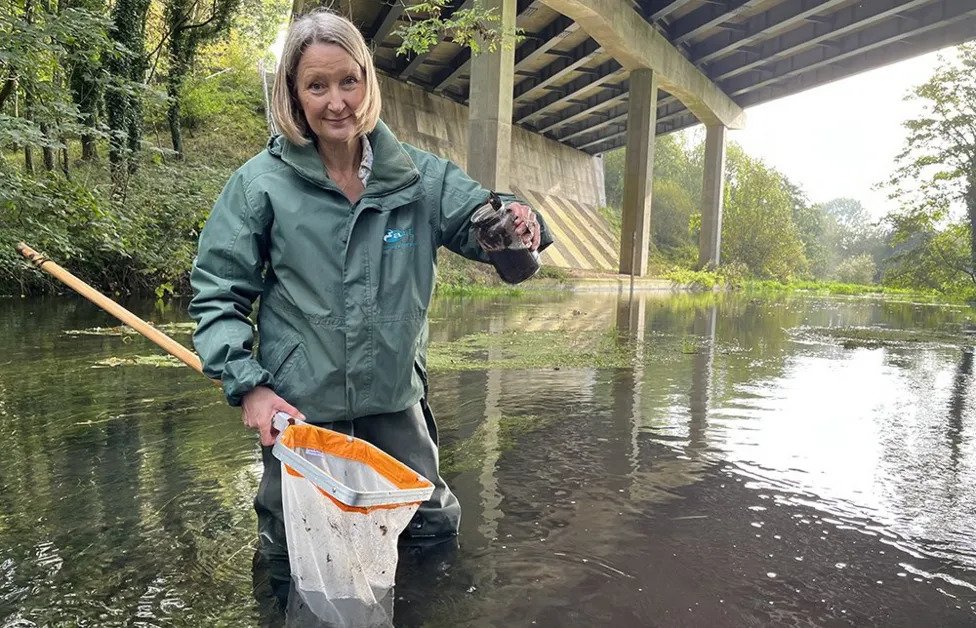
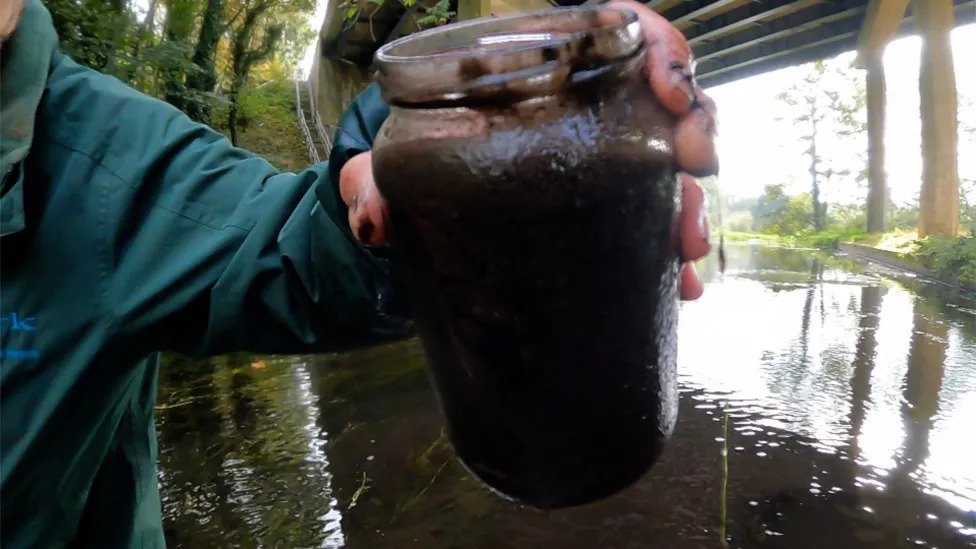
The consequences of such runoff are visibly evident in the River Lambourn beneath the M4, where a normally crystal-clear chalk stream turns murky with pollution.
Local environmental groups have confirmed the presence of various pollutants, with detrimental effects on river ecology. While National Highways must prevent pollution from its network, some outfalls, like the one at the River Lambourn, are deemed 'low risk' and not prioritized for mitigation.
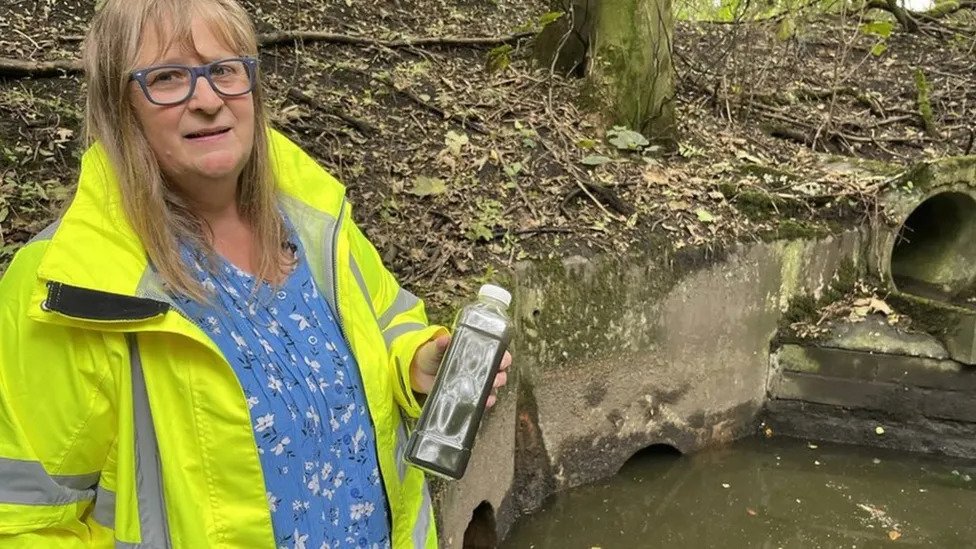
Additional concerns arise where runoffs are not documented, as discovered by activists near the M6 motorway, where pollutants have created visibly troubling conditions in the environment.
These pollutants have been likened to, or considered worse than, sewage pollution due to their toxicity and the lack of monitoring or remedial action.
National Highways has initiated a computerized evaluation of potential high-risk outfall sites, identifying approximately 250 that may require interventions. With slow progress, plans are in place to mitigate around 30 high-risk areas by 2025, a pace criticized by a committee of MPs.
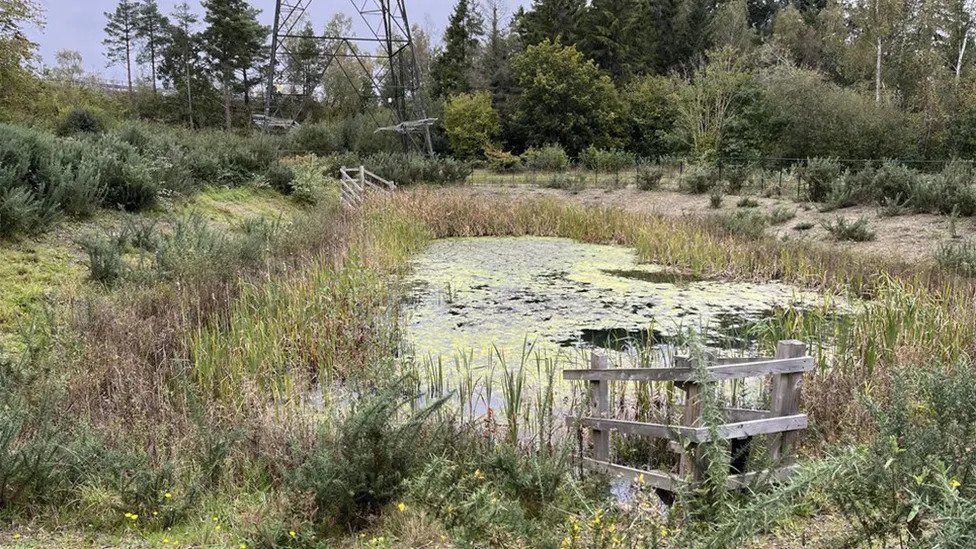
The agency commits to addressing these issues with a strategic plan to be implemented by 2030. One successful mitigation example cited is a £2.5 million reed bed filtration system for runoff in Devon, which has shown signs of ecological recovery. Despite some progress, the urgency remains to address the vast majority of pollution sources.