

Thousands of ventilators pulled as electrical faults put UK patients’ lives at risk
Two thousand ventilators being used in UK hospitals are at risk of suddenly shutting down due to electrical faults that have led to a global safety alert.
Hospitals have been ordered to source replacement ventilators after Philips Respironics said its breathing support devices could suddenly stop working, in some cases without activating a warning alarm.
The Medicines and Healthcare products Regulatory Agency (MHRA) said the problem related to “a number of electrical faults in the devices, which can result in an unexpected shutdown, leading to loss of ventilation”.
It said there had been five reported cases of shutdowns in the UK so far, none of which involved patient harm. Globally, there have been 389 reports of failures, including one where the patient died and four where they were seriously injured. In six of the total cases, the warning alarm didn’t sound.
Philips Respironics is one of several manufacturers that increased production of ventilators during the pandemic. The MHRA brought in a fast approval process for ventilators and other medical devices in response to Covid-19.
The affected machines include invasive and non-invasive ventilators used to support patients in critical care and high-dependency units.
The MHRA said the root cause of the problem was not yet known and remained under investigation, but that Philips Respironics currently had “no permanent solution” to correct it.
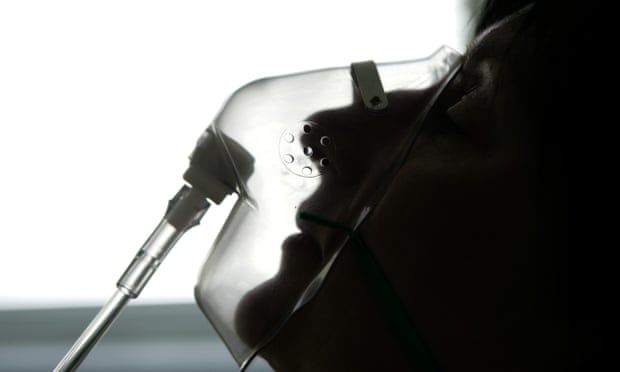 The ventilators were ‘very widely used in
critical care units’ for people with lung disease and Covid-19, said a
consultant in intensive care.
The ventilators were ‘very widely used in
critical care units’ for people with lung disease and Covid-19, said a
consultant in intensive care.
The Dutch medical equipment company said it was not advising customers to remove affected devices because of the “extremely low incidence” of problems, and instead recommends steps to lower the risks, such as connecting ventilators to a remote alarm system in case the primary alarm fails.
But the MHRA has ordered hospitals and healthcare providers to source alternative ventilators and train staff to use them, and said affected devices should be removed from use by the end of May. In the meantime, doctors must increase monitoring of patients and ensure a backup ventilator is always available.
The regulator said hospitals would still be able to use the affected ventilators if there was a “risk of severe patient harm due to the lack of availability” but that a “thorough risk assessment must be completed and additional monitoring must be used”.
“If unnoticed by healthcare professionals, ventilation failure can have a severe health impact on patients,” it said. “This can include hypoxia, which can result in long-term cognitive impairment to the patient. There is also a risk of death if a patient is without ventilation for a sustained period of time.”
The safety alert comes after a string of other problems involving Philips Respironics ventilators. In January, an issue that could lead to unexpected device shutdown was reported in the US. Philips said it related to a “production issue” that involved an expired adhesive and affected only a particular batch.
Shutdowns were also reported in September 2020, when a recall was issued by the MHRA, which warned that about 300 Philips ventilators in the UK were at risk of suddenly stopping working. The company said that issue related “specifically to V60 ventilators with a certain printed circuit board assembly” and could be corrected through a maintenance schedule.
In June 2021, a separate alert was issued due to the degradation of foam used in some ventilators and sleep apnoea machines, which could lead to users inhaling cancer-causing chemicals. The latest safety alert relates to V60, V60 Plus and V680 Philips ventilators and affects about 105,000 devices globally, and 2,000 in the UK, Philips said. The Department of Health has made arrangements to supply replacement ventilators to hospitals that need them.
Dr Ben Messer, a consultant in intensive care medicine at Newcastle Hospitals NHS Foundation Trust and spokesman for the British Thoracic Society, said the recall was “significant” because the devices were “very widely used in critical care units” for people with lung disease and Covid-19, particularly those who needed lots of oxygen or were being weaned off more intensive support.
“It’s frustrating because they are outstanding machines,” he said. He added that trust in Philips would be dented unless the cause of the problem could be identified and corrected. “If they say, ‘No, we’re not going to fix this problem’, it’s hard to imagine that will paint Philips in a very positive light.”
Helen Hughes, chief executive of the Patient Safety Learning charity, said there was a “significant patient safety concern” that some Philips devices could remain in use until replacements were sourced.
Philips Respironics said safety was its “number one priority” and apologised to “any patient or healthcare provider who may have experienced any concern” as a result of the safety notice. It has set up a team to deal with the reported ventilator shutdowns.
A spokesperson said: “The V60 ventilator has been in service for almost 10 years now with a high reliability record. Every complaint is one complaint too many, and if there is a reported issue, then we will take each individual complaint seriously, address that transparently, and report that to the relevant competent authorities.”