LONDON DAILY ARCHIVE
Thousands Gather in Belgrade for Student-Led Protests Following Railway Station Collapse
Protesters call for accountability following the roof collapse at Novi Sad station that resulted in 15 deaths.
18 January 2025 · 01:52 UTC

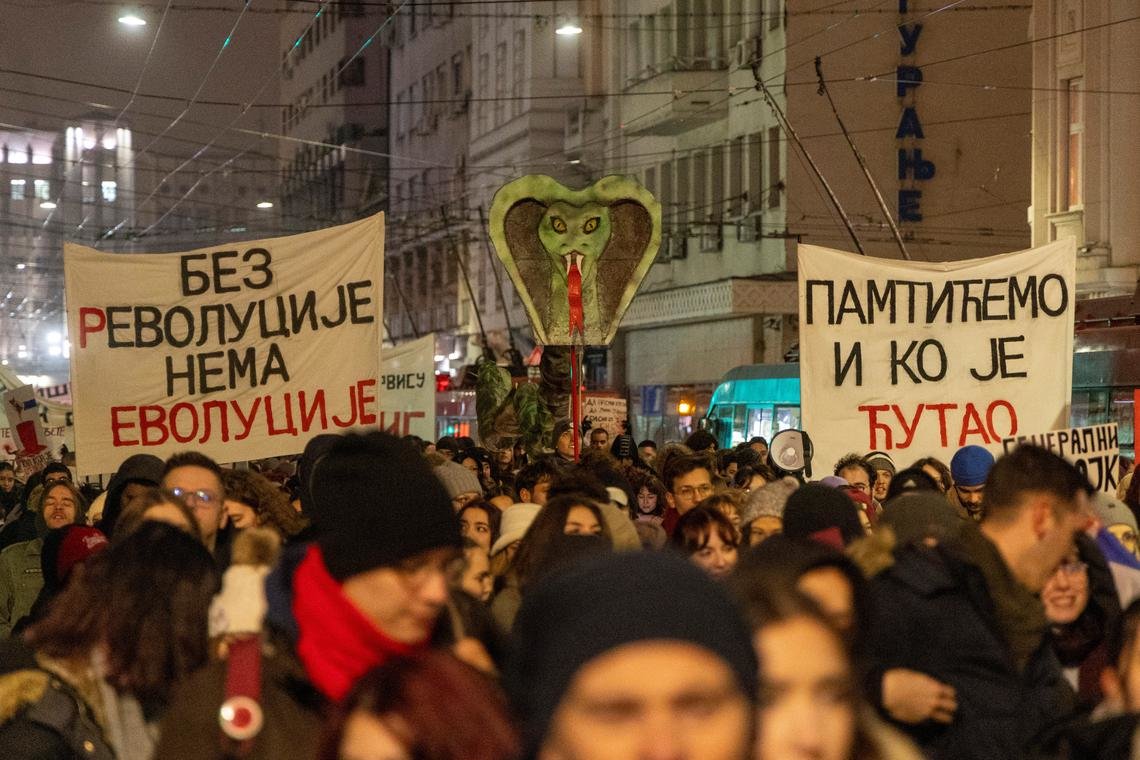
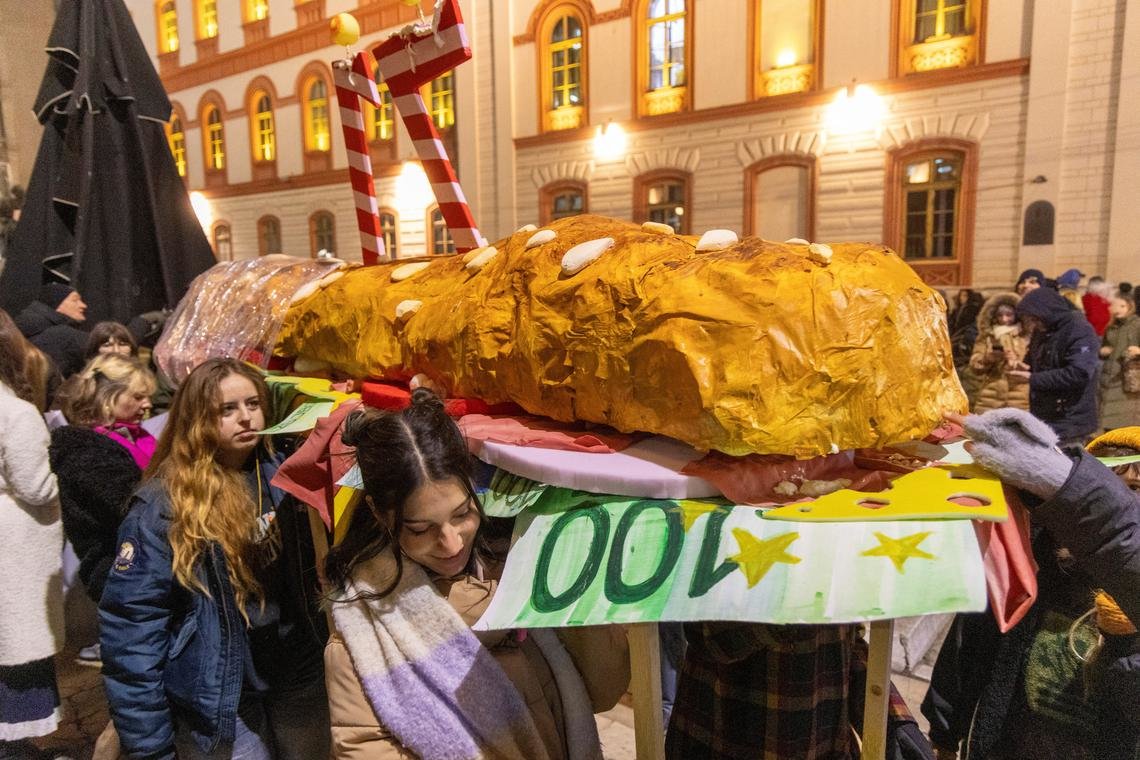
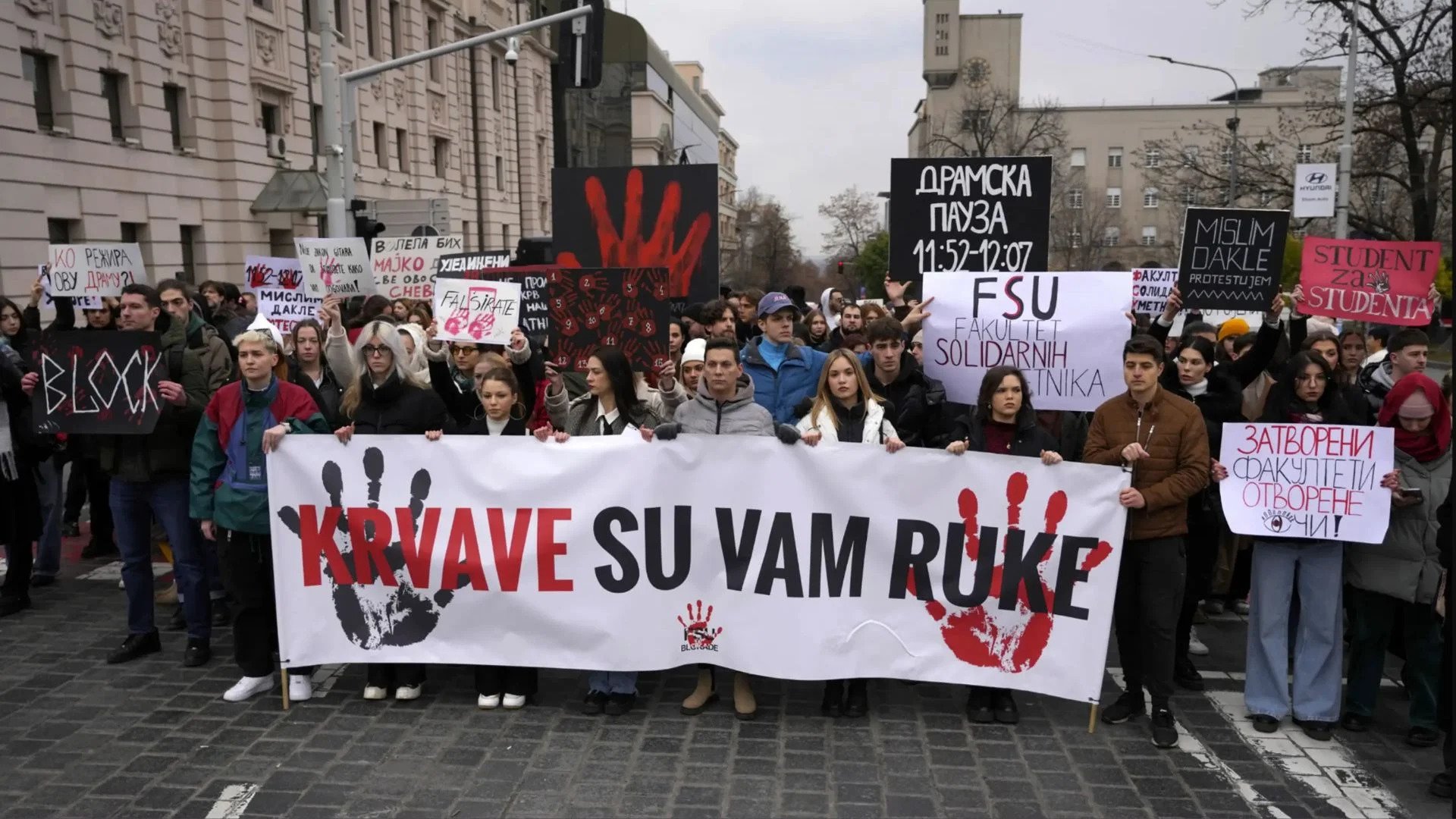
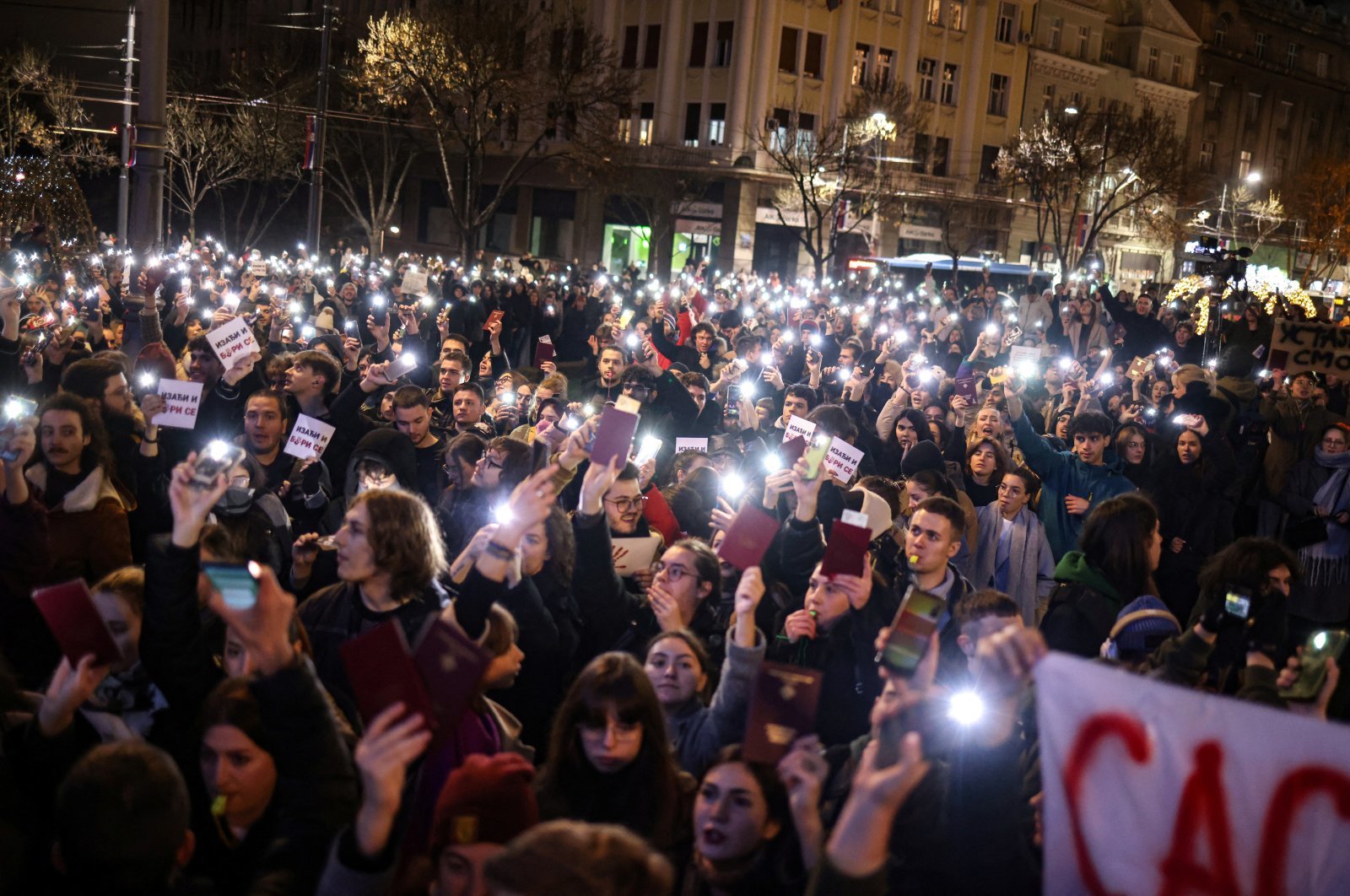
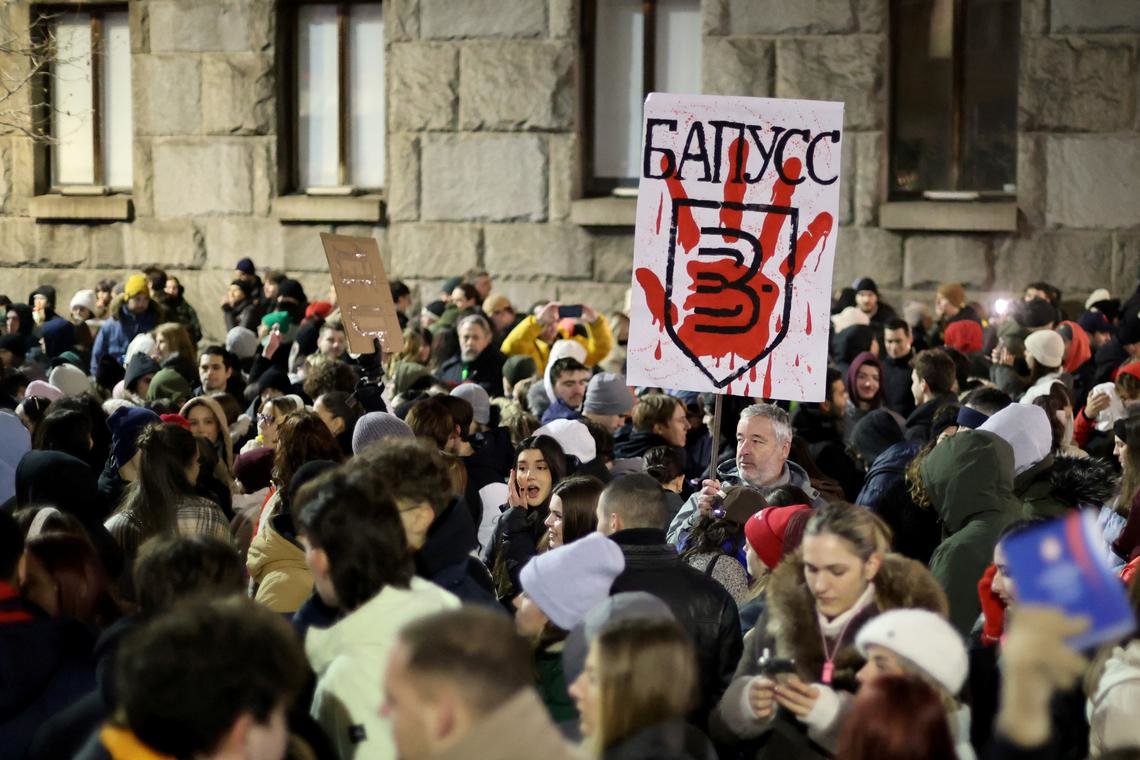
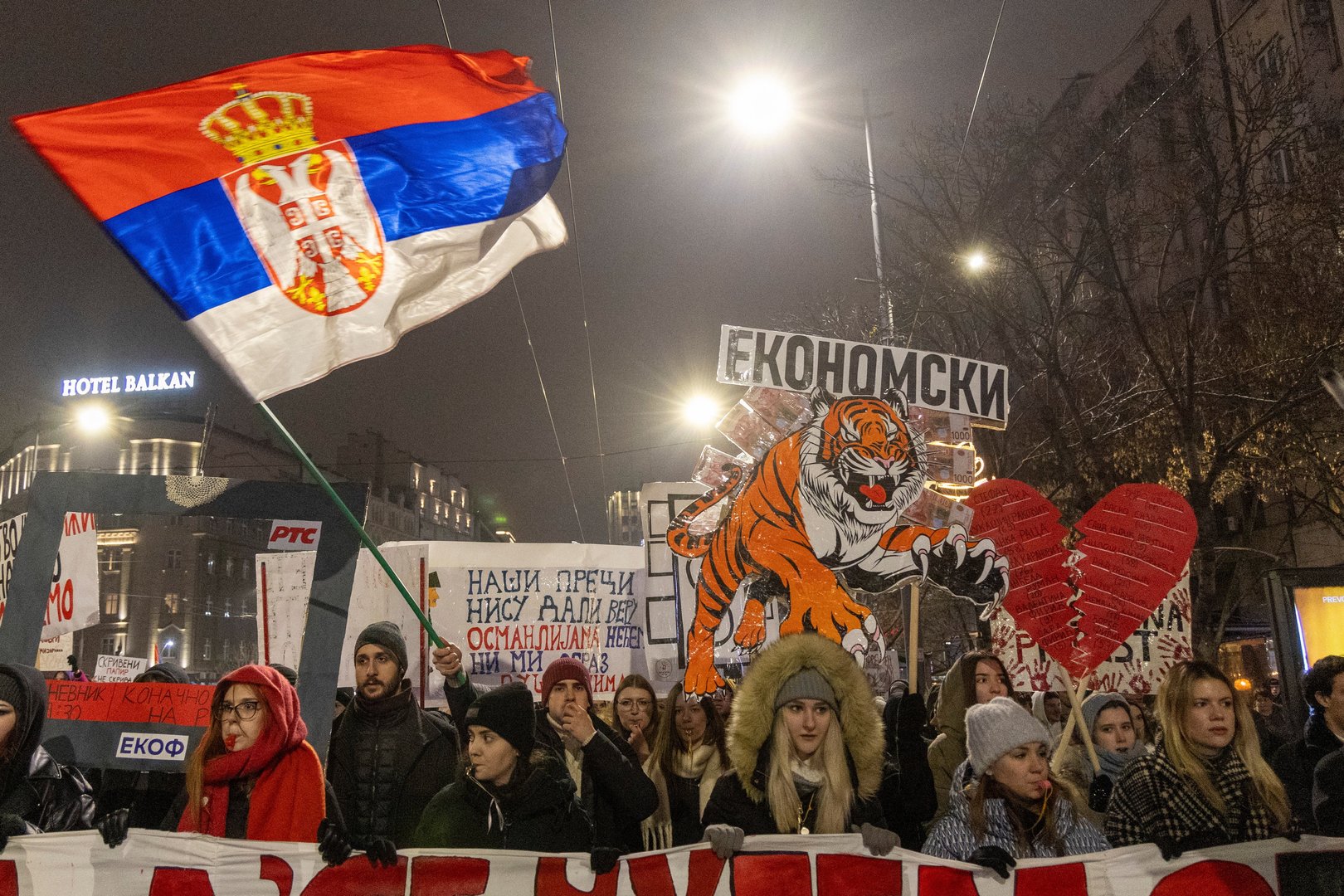
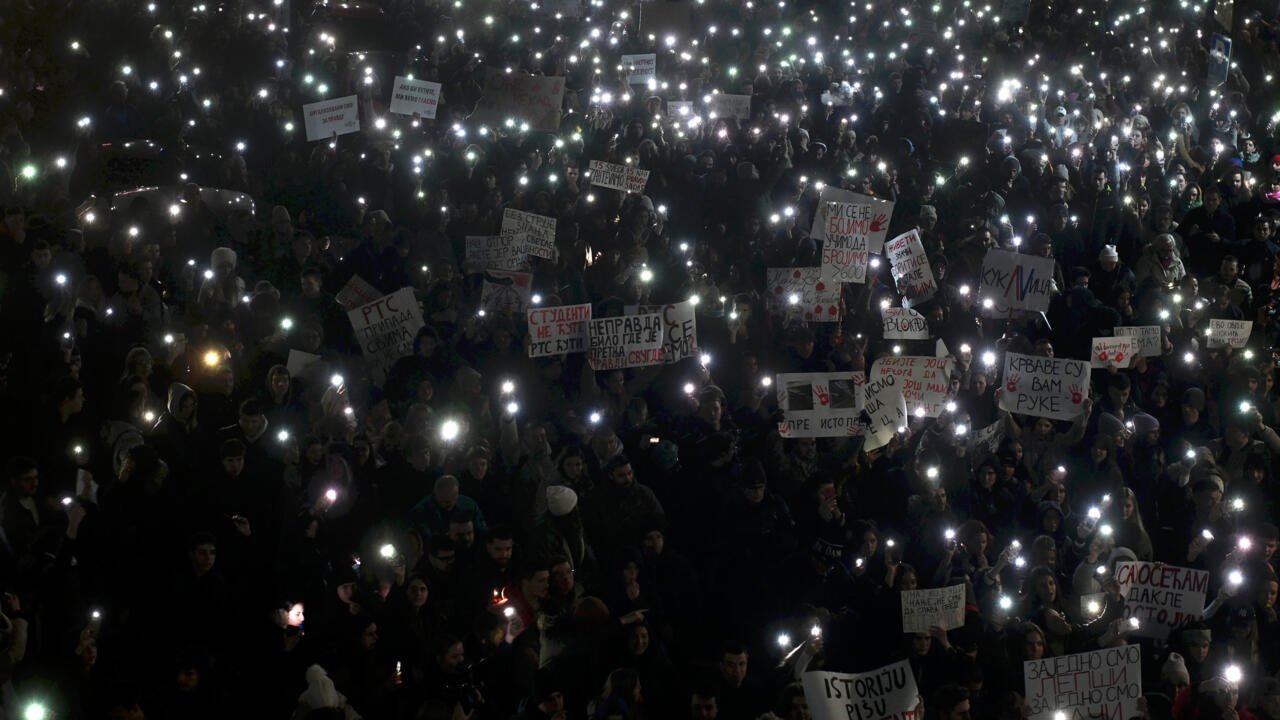
The tragedy, occurring on November 1st, claimed 15 lives and has fueled widespread demands for accountability.
Student-Led Protests
The demonstrations, spearheaded by Belgrade University students, accuse Serbian authorities of negligence and corruption contributing to the disaster.
Twins Lazar and Luka Stojakovic, activists from the Faculty of Organisational Science, have become leading figures in the movement.
Despite allegations from the pro-government paper Vecernje Novosti labeling them as agents of Croatia's secret service, the brothers have persisted in organizing and attending protests.
Luka Stojakovic remarked during the protest, 'Corruption has permeated every layer of our society and is the main cause of the roof collapse and the deaths of 15 people.'
Lazar Stojakovic added, 'The fundamental issue is the absence of a system; one person makes all the decisions.'
Demands for Accountability
For weeks, students have been blockading classes at universities in Belgrade, Kragujevac, and Nis.
They demand the release of all documents related to the Novi Sad station's renovation and the prosecution of those held responsible.
Daily, protesters disrupt traffic in front of their universities for 15 minutes to honor the 15 victims.
The collapse involved the falling of the concrete awning of the station's recently renovated roof on November 1st, killing 14 instantly and injuring three, one of whom later died.
The renovation project has come under scrutiny, facing accusations of subpar work and inadequate oversight.
Criticism of the Government
Protesters have directed their grievances toward the ruling Serbian Progressive Party (SNS) and President Aleksandar Vucic, accusing them of cultivating a culture of corruption and nepotism.
Both Vucic and the SNS deny the allegations.
The protests have emerged as a broader symbol of discontent with governance in Serbia, focusing on infrastructure oversight and public accountability.
Demonstrators pledge to continue until their demands are satisfied.
Wider Impact
The disaster at Novi Sad station has intensified scrutiny of public infrastructure projects throughout Serbia.
Many citizens are calling for greater transparency and systemic reforms to avert future catastrophes.
Meanwhile, government officials have yet to provide a comprehensive explanation or address demands for criminal accountability.
As protests continue, the movement underscores growing public frustration with corruption and governance issues in Serbia.
The events in Belgrade highlight the broader challenges confronting the nation’s political and administrative systems.