LONDON DAILY ARCHIVE
Thinking hurts, so England have got to stop using their brains to make Six Nations headway
England narrowly avoided defeat against Wales, but if they're to beat Scotland in their upcoming Six Nations match, they need to embrace their new playing style more intuitively, without overthinking.
14 February 2024 · 03:40 UTC

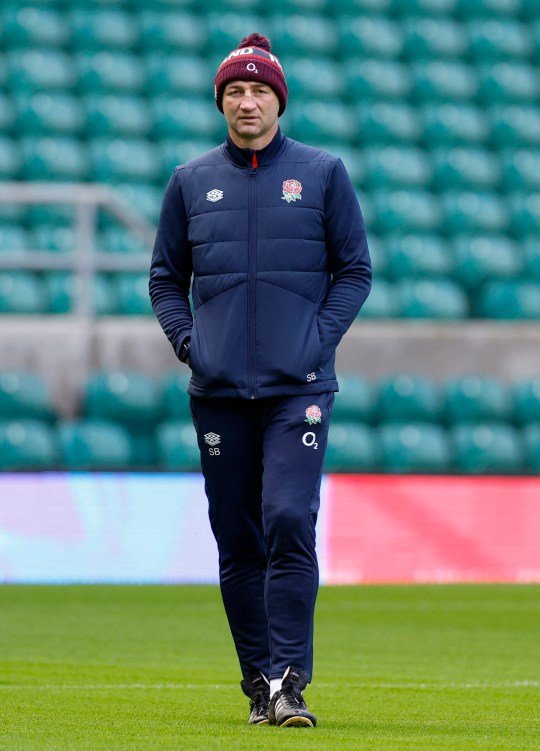

A transition in defensive leadership from Kevin Sinfield to Felix Jones has been difficult, raising questions about coach Steve Borthwick's rapport with the team and their adaptation to new strategies within a short period.
The team's performance betrays a work in progress, reminiscent of the challenges faced when Andy Farrell joined in 2012. The players seem caught in thought, stifling their reactions and decision-making—as shown in both defensive and offensive plays.
Although England's attack shows promise, they struggle to dominate at the gainline, lacking powerful forwards capable of creating momentum for their skilled backs.
The absence of heavy hitters like Manu Tuilagi and Ollie Lawrence is felt, yet the team's potential, often showcased in Premiership rugby, has yet to fully translate to international success.
Despite these challenges, England has won their first two matches and remains in contention for a Grand Slam, a feat only Ireland can match at this point.
Regarding the incident involving George Ford's disallowed conversion: the referee's decision was incorrect, as Ford hadn't initiated his approach before the charge by Rio Dyer and Elliot Dee's subsequent intervention. The referee should have permitted a retake.