
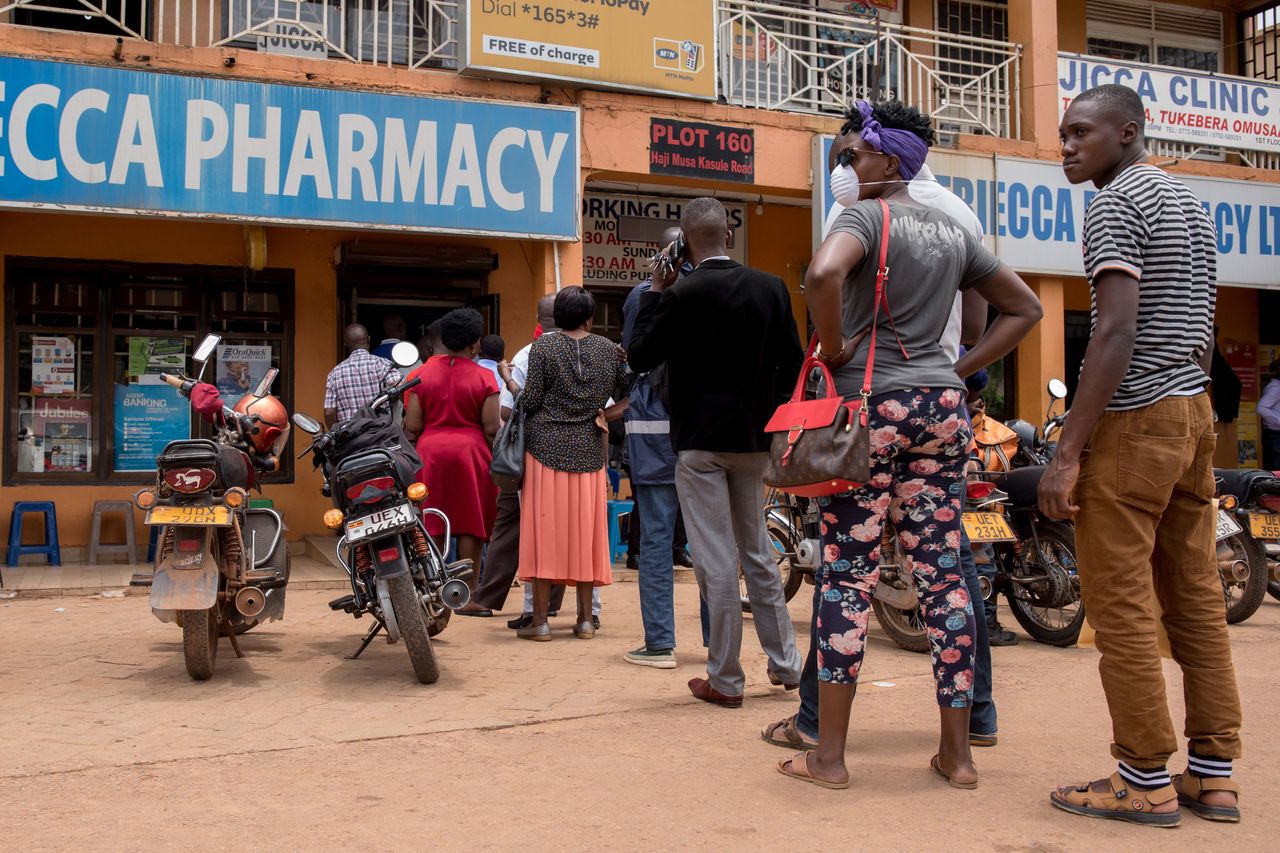





A recent study, soon to be published in The American Economic Review, highlights that loan officers in Uganda are more inclined to extend credit to individuals who appear heavier. In a country where approximately half of the population grapples with inadequate caloric intake, a more ample waistline is viewed as a symbol of economic prosperity.
Elisa Macchi, an Assistant Professor of Economics at Brown University, emphasizes the role of physical appearance as an indicator of wealth in countries where information is scant. In such environments, loan officers may rely on any clue available to gauge an applicant’s economic standing. “In poor countries, where hard information isn’t always at hand, signals of wealth, including obesity, are pivotal in economic transactions that involve assessments of an individual’s wealth,” Macchi states.
Delving into the Perception
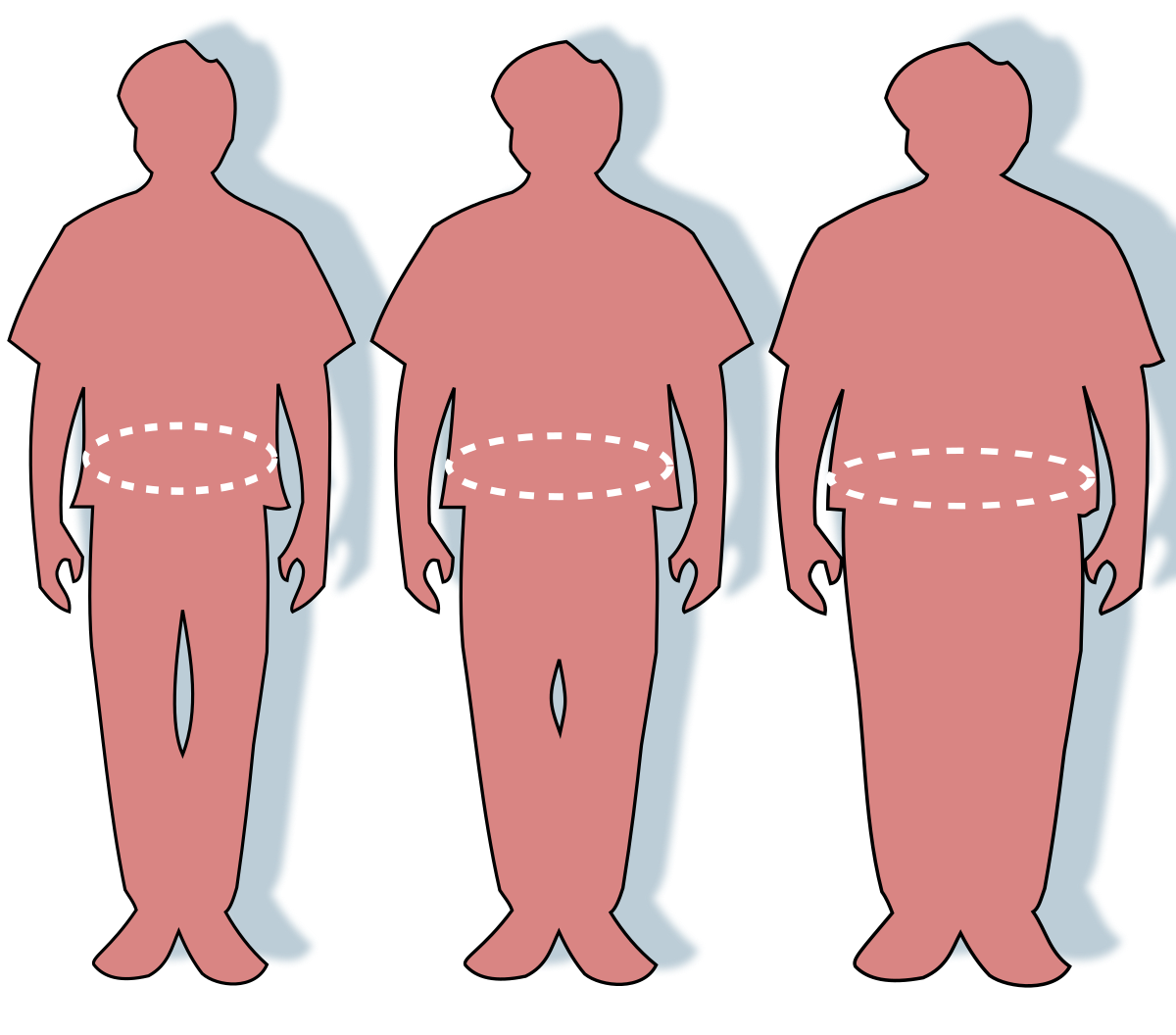
To delve into how body size influences loan officers' decisions, Macchi orchestrated an experiment involving 238 loan officers across 146 financial institutions in Kampala, Uganda’s capital city. The loan officers were given loan applications that were identical in content but were accompanied by photographs of applicants that had been digitally altered to make them appear either thin or heavy.
In Uganda, it is customary for loan applications to be accompanied by photographs. Macchi's study found that loan officers were more likely to view applicants favorably when the photographs showed them as obese.
The study revealed that the inclination towards more substantial applicants was considerable, equivalent to the effect of a 60 percent increase in self-reported income or possession of substantial assets such as a car.
Historical and Cultural Context
Historically, in parts of sub-Saharan Africa, a fuller figure was revered and associated with wealth. In Mauritania, for instance, young girls were infamously subjected to force-feeding - a practice known as 'gavage' derived from the French term for force-feeding geese to produce foie gras - to enhance marriage prospects.
However, the landscape is changing. Obesity is increasingly becoming a health concern across Africa, mirroring trends in more affluent countries where obesity is often linked to poverty due to the proliferation of cheap, nutritionally deficient processed foods.
Matshidiso Moeti, the World Health Organization’s Regional Director for Africa, warned last year that “Africa is facing a growing problem of obesity and overweight, and the trends are rising.”
Addressing the Issue
As the health implications of obesity become more apparent, international organizations including the World Health Organization, are working with East African countries including Uganda, Kenya, and Tanzania to foster programs that promote healthier diets and physical activity.
Interestingly, Macchi’s study found that the weight bias among loan officers could be mitigated. When loan officers were provided with concrete information regarding an applicant’s financial position, such as income, collateral, and occupation, the weight factor diminished significantly.
This finding is encouraging as it demonstrates that while cultural associations and stereotypes might have an impact, they are not immovable. When presented with solid information, perceptions can change, and decisions can become more informed.
“It’s encouraging to see that these biases aren’t deeply ingrained,” Ms. Macchi said. “When provided with concrete information, it has a tangible impact.”