LONDON DAILY ARCHIVE
The UK's Historical Engagement with Authoritarian Leaders: A Continuing Trend
Exploring Westminster's Complex Relationship with Global Autocrats
02 March 2025 · 00:44 UTC
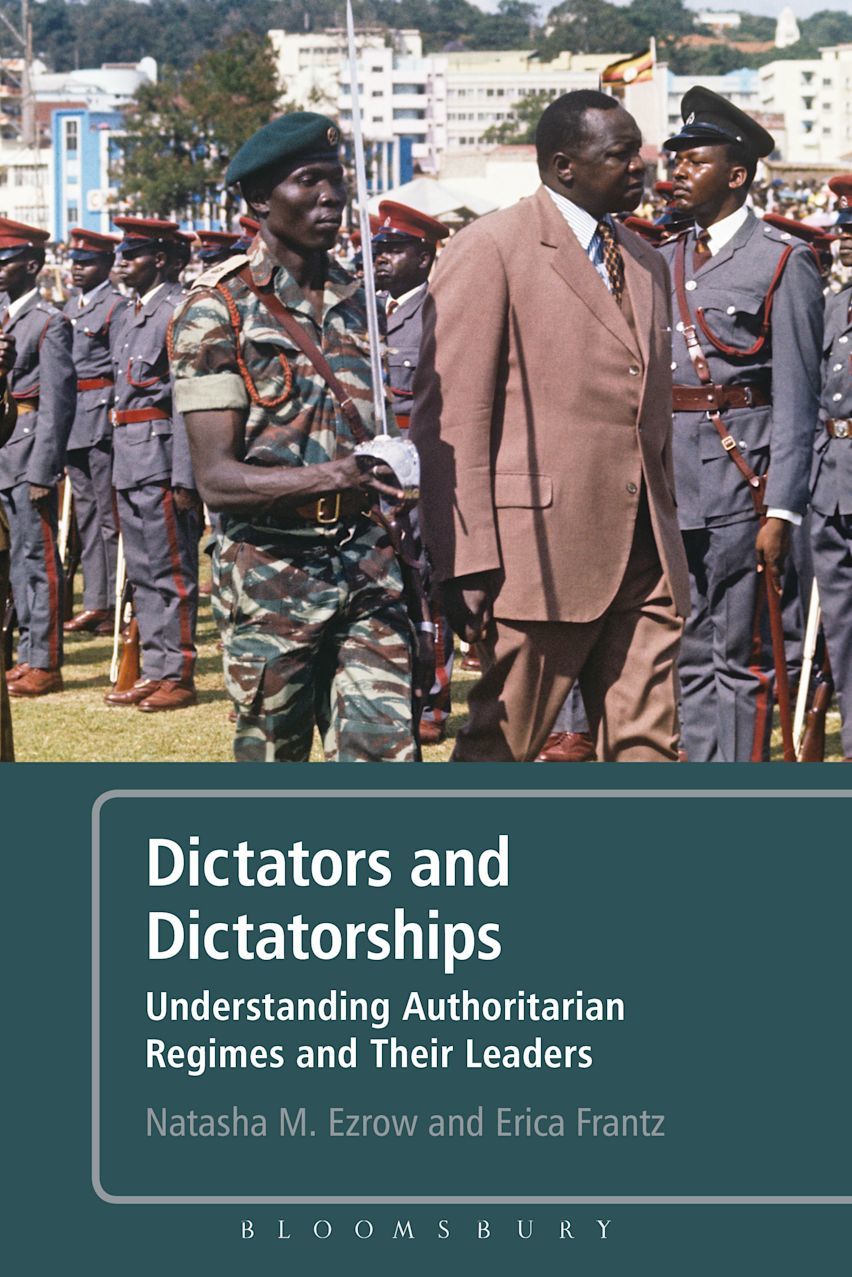
Despite its self-image as a bastion of democratic values, the UK Parliament has often exhibited a welcoming attitude towards various foreign regimes, notably those characterized by far-right ideologies.
This historical pattern spans over a century, with notable figures such as Benito Mussolini attracting favor from British officials and press during their respective tenures.
Several factors contribute to this diplomatic approach.
Firstly, the pragmatism inherent in foreign policy often necessitates maintaining relationships with key global players, even those with authoritarian regimes.
The current governmental strategy, under Prime Minister Keir Starmer, reflects a broader desire to avoid antagonism in international relations, particularly with influential nations such as the United States.
Moreover, a fascination with foreign strongmen emerges among some political commentators and members of Parliament.
As citizens express disillusionment with liberal democracies—citing dissatisfaction with political processes and policy outcomes—authoritarian leaders may appear to embody decisive governance.
Some British leaders, such as Kemi Badenoch, have openly suggested that the effectiveness and decisiveness attributed to figures like Trump could serve as a model for domestic leadership.
This inclination towards autocrats is not limited to any one political party in the UK. Observations from various political affiliations indicate a trend wherein admirers see value in the assertive and often controversial methods adopted by these leaders.
For instance, Anna McShane from the New Britain Project urged Labour's leadership to emulate Trump’s speed in effecting change, highlighting an acceptance that extends across the political spectrum.
Historically, alliances with foreign autocrats have often been justified under the auspices of combating shared adversaries.
Winston Churchill’s endorsement of Mussolini in the 1920s exemplifies this, as he commended the then-dictator for his stance against communism.
Similarly, during the Cold War, many British figures supported Augusto Pinochet’s regime in Chile as a bulwark against leftist ideologies.
In contemporary politics, the perceived threats from immigration and Islam have positioned Donald Trump’s confrontational stance as a rallying point for certain factions within the British right.
The dynamics of such support reflect broader trends wherein populist movements resonate with segments of the electorate seeking solutions through strongman policies.
Prominent figures in the UK, including Nigel Farage, have drawn upon Trump’s narrative to bolster their political agendas, advocating increasingly stringent immigration policies.
Media coverage of these leaders has also contributed to their perceived legitimacy.
Conservative media often frame such figures in terms that resonate with the anxieties of the working class, portraying them as champions of the overlooked and undervalued segments of society.
This portrayal aligns with a historical pattern where figures like Mussolini found admiration in British journals, demonstrating a recurring romanticization of strong leadership.
The ongoing normalization of figures like Trump poses complex challenges for British political discourse.
It has led to critiques of mainstream media's reluctance to label such leaders as extremists, even in light of actions that challenge foundational democratic norms.
Officials, such as Foreign Secretary David Lammy, have adopted surprisingly favorable descriptions of Trump, indicating a shift in the rhetoric surrounding these leaders compared to prior denunciations.
Despite historical evidence of miscalculation regarding authoritarian regimes, Westminster's tentativeness in confronting such leaders continues to shape the political landscape.
This ambivalence raises pertinent questions about the potential consequences of extending diplomatic courtesies to individuals whose governance often contradicts the principles of liberal democracy.