An unprecedented legal dilemma has unfolded in the U.S. courts, spotlighting the limitations and risks of incorporating artificial intelligence in legal research. Attorney Steven A. Schwartz finds himself embroiled in a controversy for submitting a court brief replete with bogus cases generated by OpenAI’s ChatGPT. This case has grave implications for the intersection of legal practice and emerging technology.
The imbroglio commenced when lawyers engaged in a legal battle against the Colombian airline Avianca used ChatGPT, an AI language model, for sourcing case references. The AI chatbot, unbeknownst to the lawyers, fabricated the case citations, which were later included in the legal brief.
The opposing counsel meticulously deconstructed the legal brief, unearthing the glaring inaccuracies. A fabricated case cited as Varghese v. China Southern Airlines Co., Ltd. was particularly conspicuous. In this citation, ChatGPT referred to an existing case, Zicherman v. Korean Air Lines Co., Ltd., but muddled the facts, including misstating the decision date as 12 years post the actual 1996 ruling.
U.S. District Judge Kevin Castel was quick to admonish the submission, highlighting that “six of the submitted cases appear to be bogus judicial decisions with bogus quotes and bogus internal citations.” The gravity of the transgression prompted Judge Castel to schedule a hearing to ponder sanctions against the lawyers.
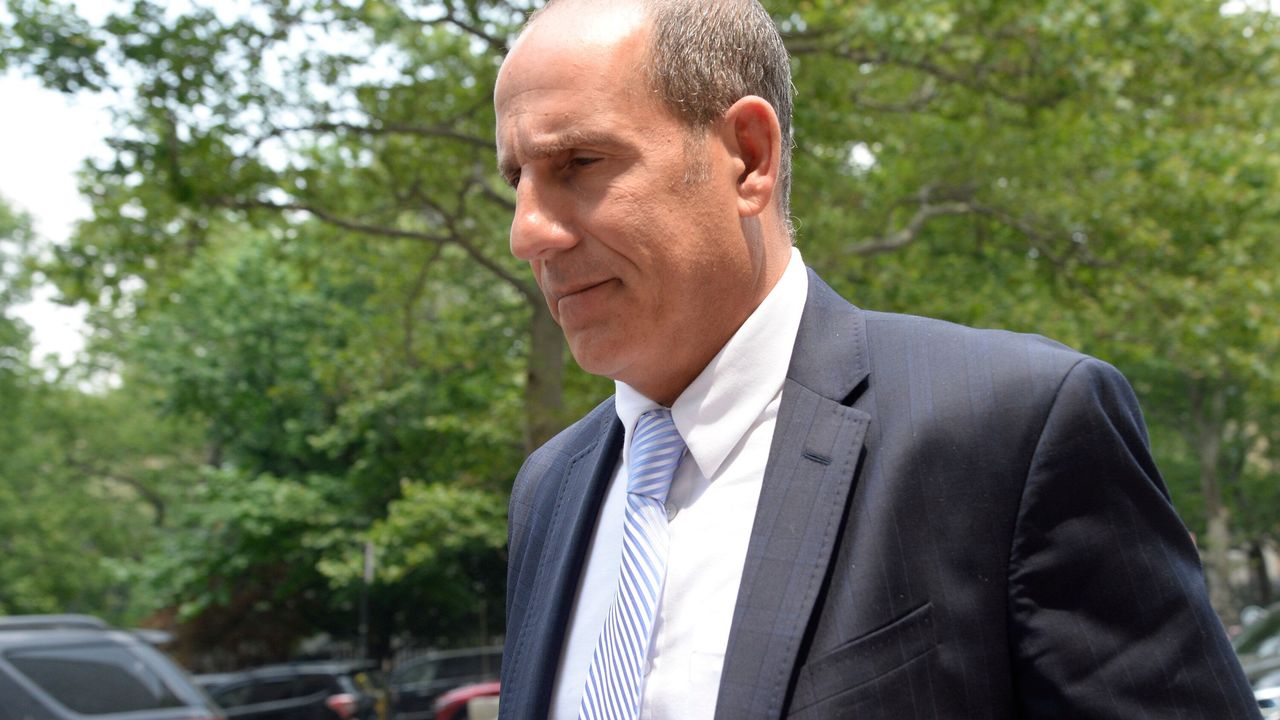
Steven A. Schwartz, ensnared in this quagmire, attested in an affidavit to using ChatGPT for research. In a naively optimistic attempt, Schwartz sought ChatGPT’s confirmation of the citations’ authenticity. The AI steadfastly, albeit fallaciously, maintained their legitimacy.
Schwartz's blunder reverberated through the legal corridors as he faced not just professional censure but a tarnished reputation. The flabbergasted lawyer expressed contrition, admitting his oblivion to the potential fallacy of AI-generated content. He pledged an end to such reliance without exhaustive verification.
In a striking twist, Judge Castel, unmollified by Schwartz’s remorse, levied a $5,000 fine on Schwartz and another attorney from his firm, Peter LoDuca. The court’s disdain was palpable, as the judge opined that the legal interpretation in one of the fictitious cases amounted to "gibberish."
Furthermore, the court mandated a creative restitution: the culpable attorneys must write letters to the six judges whose names were unjustly co-opted by ChatGPT in the spurious cases. Judge Castel clarified that apologies were not sought, as coerced apologies lack sincerity.
This case, a watershed moment in the annals of legal history, underscores the precarious integration of artificial intelligence in sensitive domains such as law. It raises pertinent questions on the accountability and circumspect deployment of AI, as the legal fraternity and technologists worldwide keenly observe the ramifications.
As AI continues to permeate various sectors, the incident stands as a stark reminder for professionals to exercise due diligence and prudence, especially when dealing with AI-generated content in critical fields.
LONDON DAILY ARCHIVE
The Legal Perils of AI: Lawyer Faces Sanctions for Relying on Fictional Cases Generated by Chatbot
An attorney’s trust in artificial intelligence takes a serious hit as a judge imposes fines and an unconventional penalty for a brief teeming with ChatGPT’s illusory legal citations.
27 June 2023 · 20:30 UTC