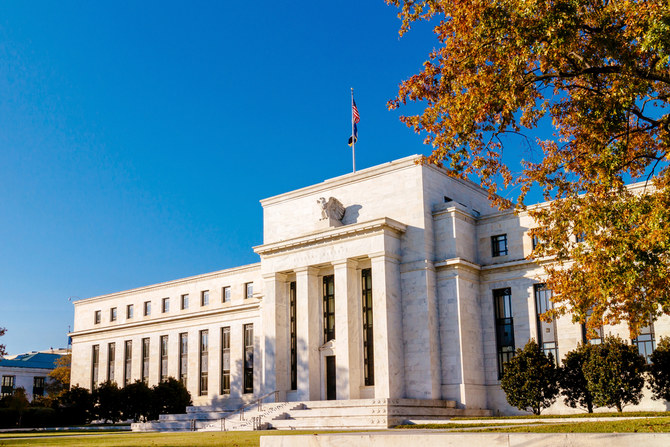
The rate hike, the Fed’s 11th in its last 12 meetings, set the benchmark overnight interest rate in the 5.25 percent-5.50 percent range.
The accompanying policy statement left the door open to another increase, as the Fed continues to assess incoming data and the impact of its rate hikes on the economy.
The Fed's hawkish stance is rooted in its commitment to reducing inflation, which remains more than double the target, despite moderating job gains and a low 3.6 percent unemployment rate.
The economy, according to the Fed, is growing at a moderate pace, an upgrade from the modest pace seen in the June meeting.
However, with about eight weeks until the next Fed meeting, continued moderation in the pace of price increases could make this the last rate hike in a process that began with a cautious quarter-percentage-point increase in March of 2022.
Fed Chair Jerome Powell will hold a press conference to elaborate on the decision and policy statement, providing more details on what may push the central bank toward another rate increase or away from one.
In the most recent economic projections from Fed policymakers, 12 of 18 officials expected at least one more quarter-percentage-point increase would be needed by the end of this year.
The Fed's rate hike and the accompanying policy statement have been interpreted as a sign of the central bank's commitment to reducing inflation, although the recent moderation in inflation may lead to a pause in the interest rate hikes.
The decision to raise interest rates has been welcomed by some market participants as a sign of a strong economy, while others have expressed concerns that it may lead to a slowdown in economic growth.
The rate hike and the Fed's hawkish stance have also contributed to a rise in bond yields and a corresponding decrease in stock prices.
However, the impact of the rate hike on the broader economy remains to be seen, and it is possible that the Fed may adjust its monetary policy if
LONDON DAILY ARCHIVE
The Federal Reserve Raises Interest Rates to 16-Year High Amid Inflation Concerns
The Federal Reserve (Fed) raised interest rates by a quarter of a percentage point on Wednesday, citing still elevated inflation as a rationale for what is now the highest US central bank policy rate in 16 years.
26 July 2023 · 21:01 UTC