LONDON DAILY ARCHIVE
The disabled traveler segment is a multi-billion-dollar market waiting to be tapped
Destinations around the world are recognizing the need to cater to disabled tourists, an underserved demographic. Adjustments to business models are being made to embrace this group.
18 January 2024 · 07:55 UTC





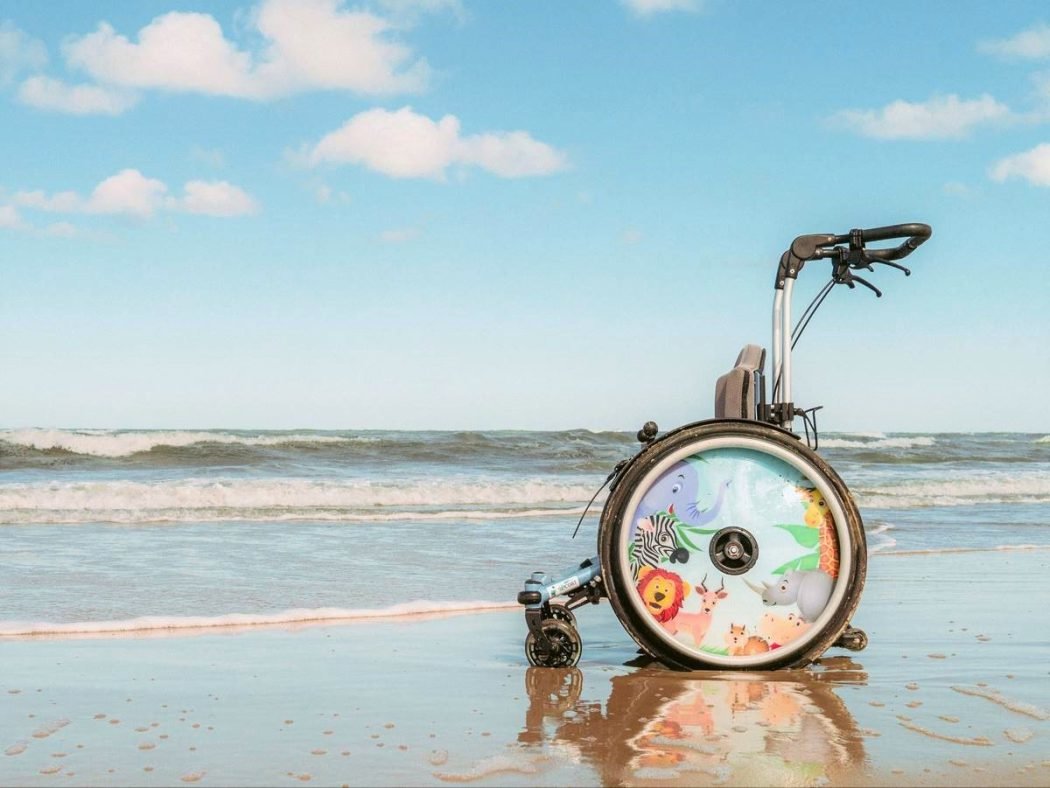
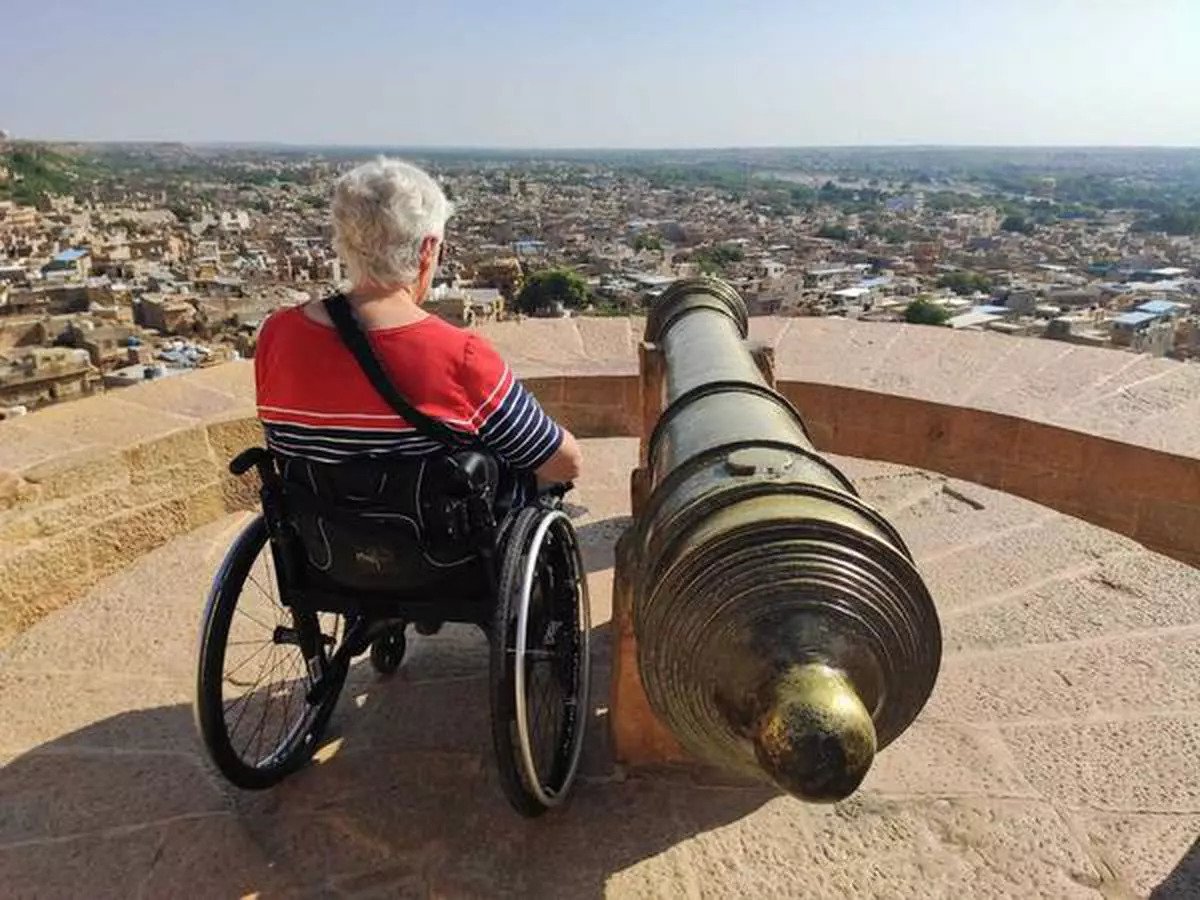



The WHO states that one-sixth of the global population has a significant disability, which encompasses a diverse range of physical, sensory, and mental conditions. TravelAbility, a U.S. organization focused on improving disabled travel, labels them as the country’s largest overlooked minority.
Patti Hays, AWS Foundation CEO, notes that anyone can become part of this minority at any time in their life.
Fort Wayne continues to improve accessibility, with efforts like a $120 million renovation of its airport to include wheelchair-friendly facilities, family restrooms, navigational aids for the visually impaired, and enhanced audio systems.
Destinations worldwide are investing in accessible tourism, recognizing both the social and economic advantages of inclusion.
Brooke Hansen, a tourism expert at the University of South Florida, highlights that disabled travelers constitute a $58 billion industry.
Initiatives for disability-friendly tourism, evolving since the enactment of legislation like the Americans with Disabilities Act, are expanding beyond wheelchair accessibility to encompass a full spectrum of needs.
Stefania Clemente, of Trentino for All in Italy, notes a shift toward inclusivity, aiming to make the region an attractive destination by focusing on accessibility and leveraging a $1.2 million grant to enhance venues, programming, and experiences across disabilities.
The organization is improving events, websites, and activities such as adaptive sports, with intentions to continue their efforts even after government funding and the Olympics conclude.
In Curitiba, Brazil, cost-effective inclusivity efforts are underway, such as 3D-printed miniatures of landmarks for vision-impaired tourists and sensory-friendly experiences in parks and museums.
Addressing disability in travel isn't just a social good but also boosts profits. Laurent Roffé from Accessio Consulting mentions that destinations are seeing the economic returns of being inclusive, with surveys indicating a significant increase in the disabled traveler market, potentially exceeding $60 billion in 2023.
Travelers with disabilities, once tolerant of discomfort, now demand services that cater to their needs and are willing to patronize destinations that provide for them, wielding considerable spending power.