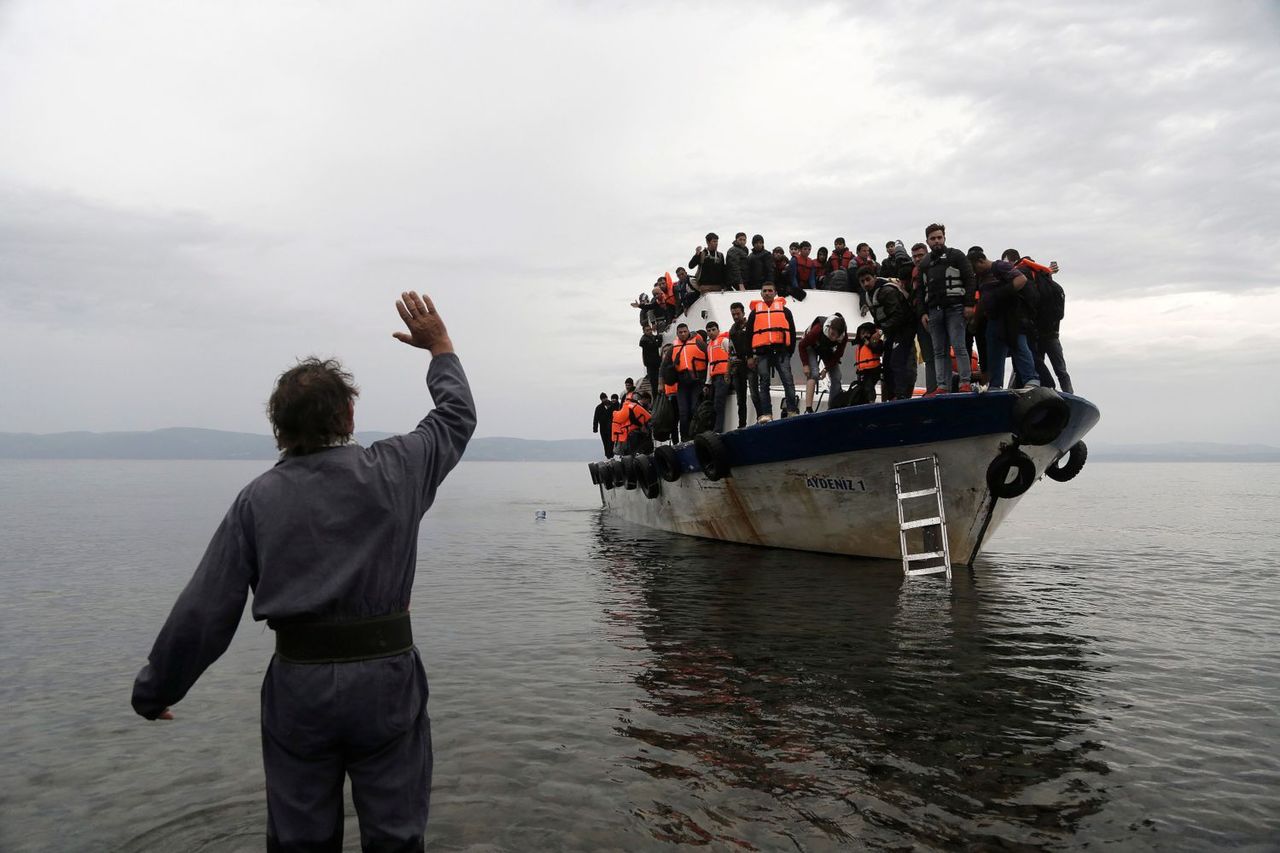
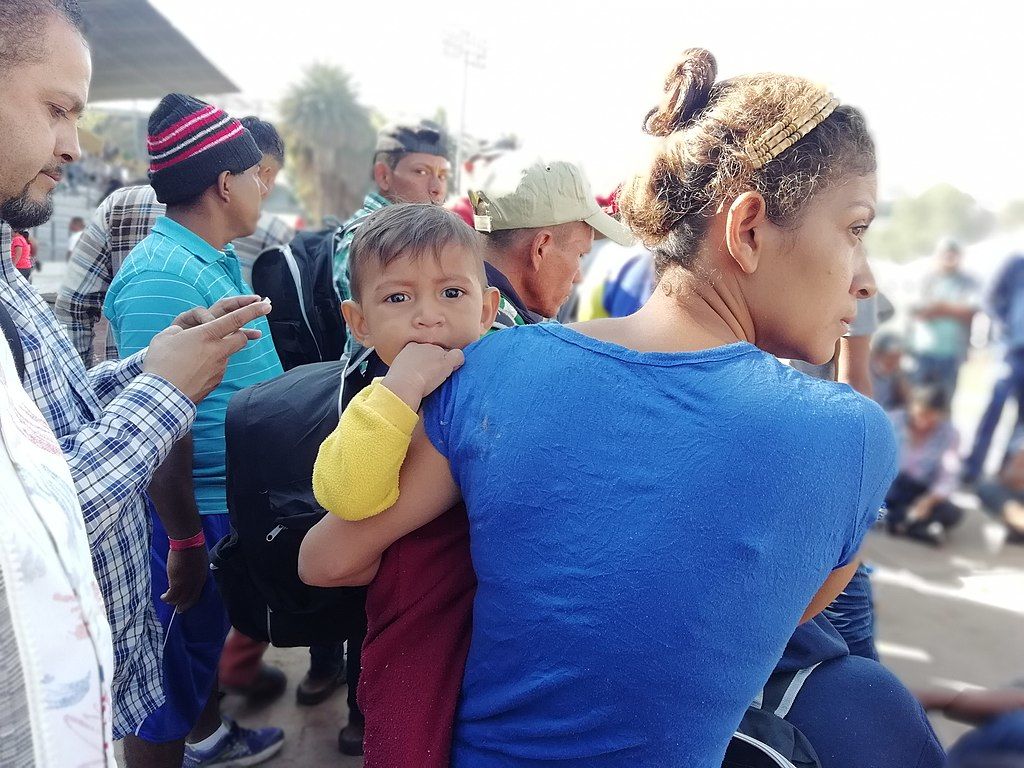
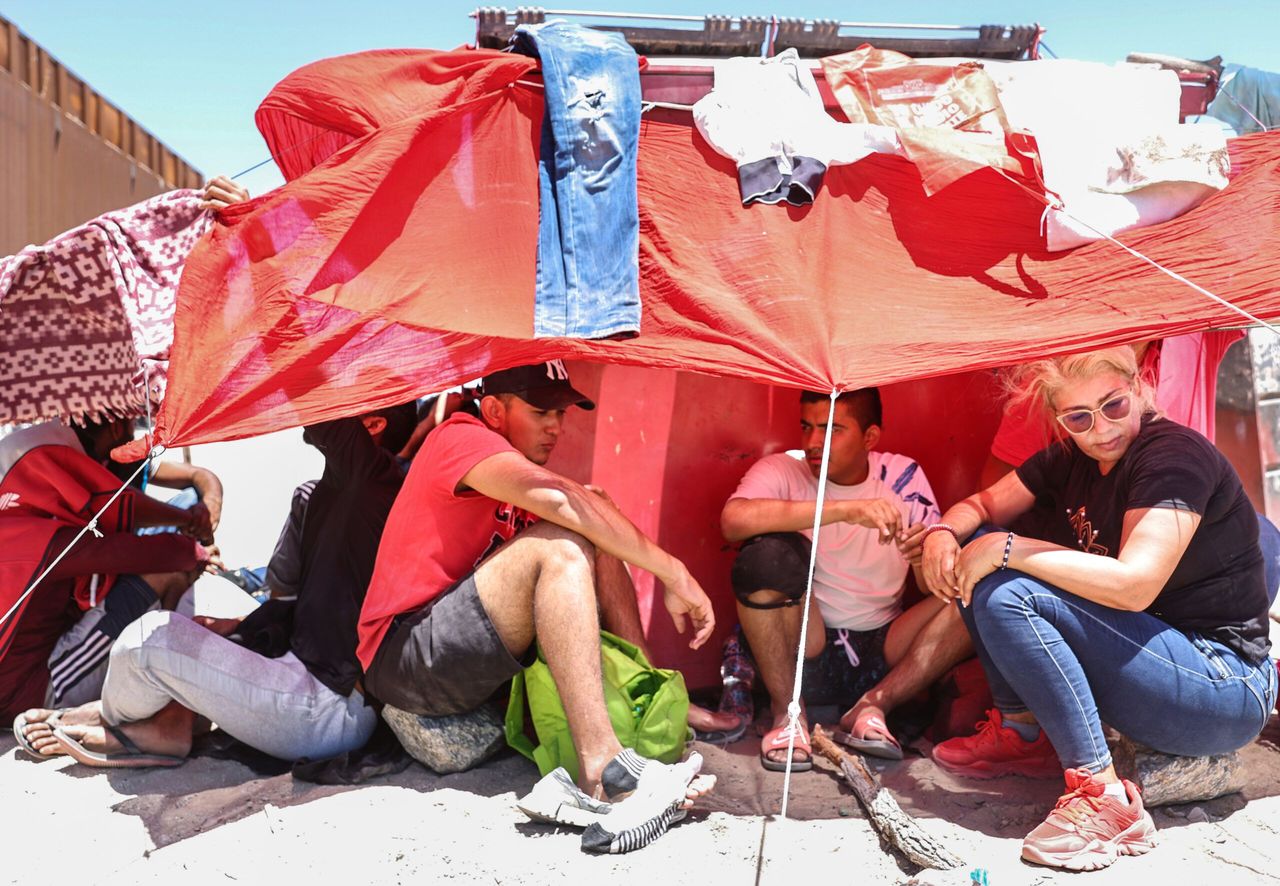
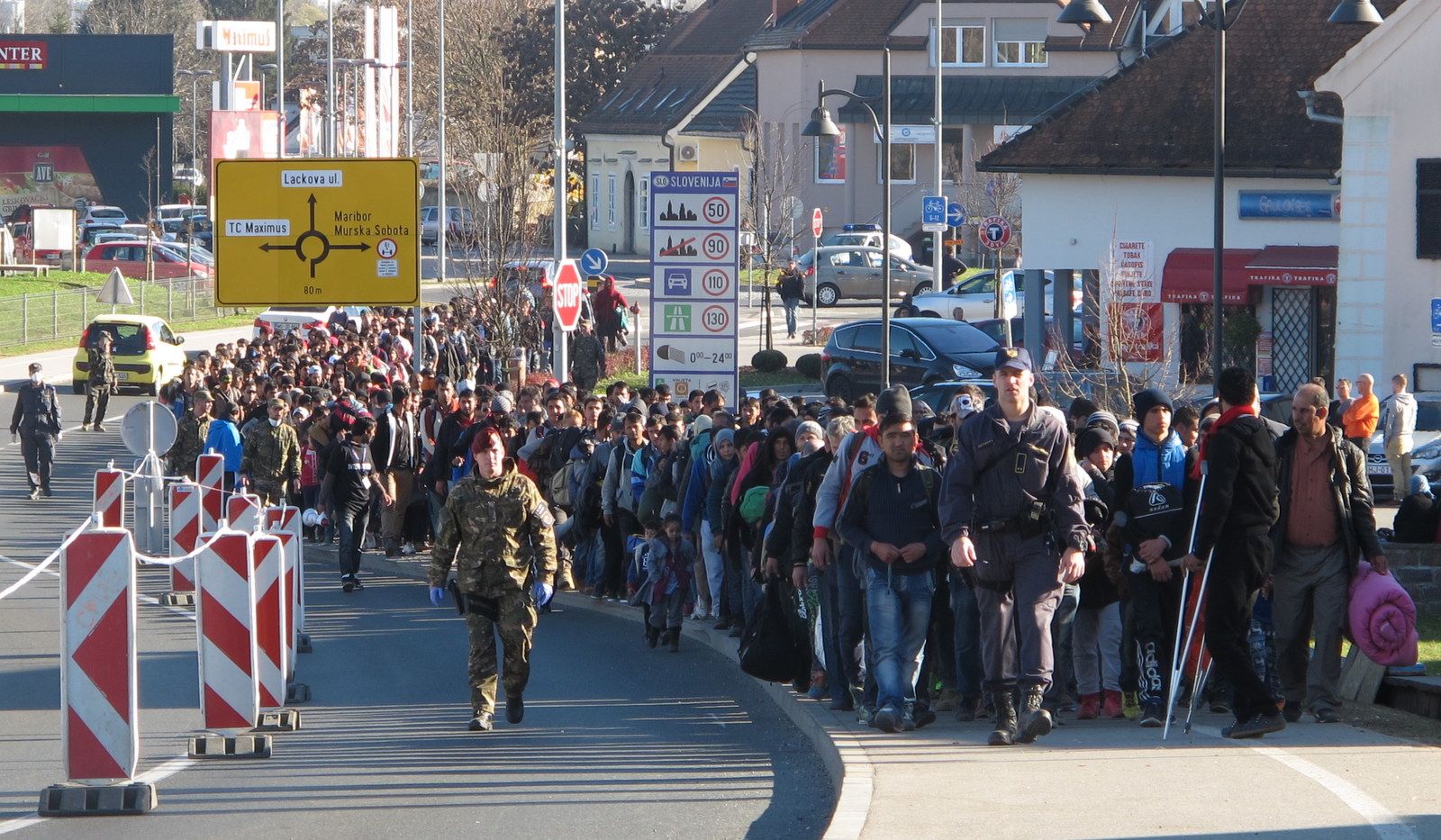
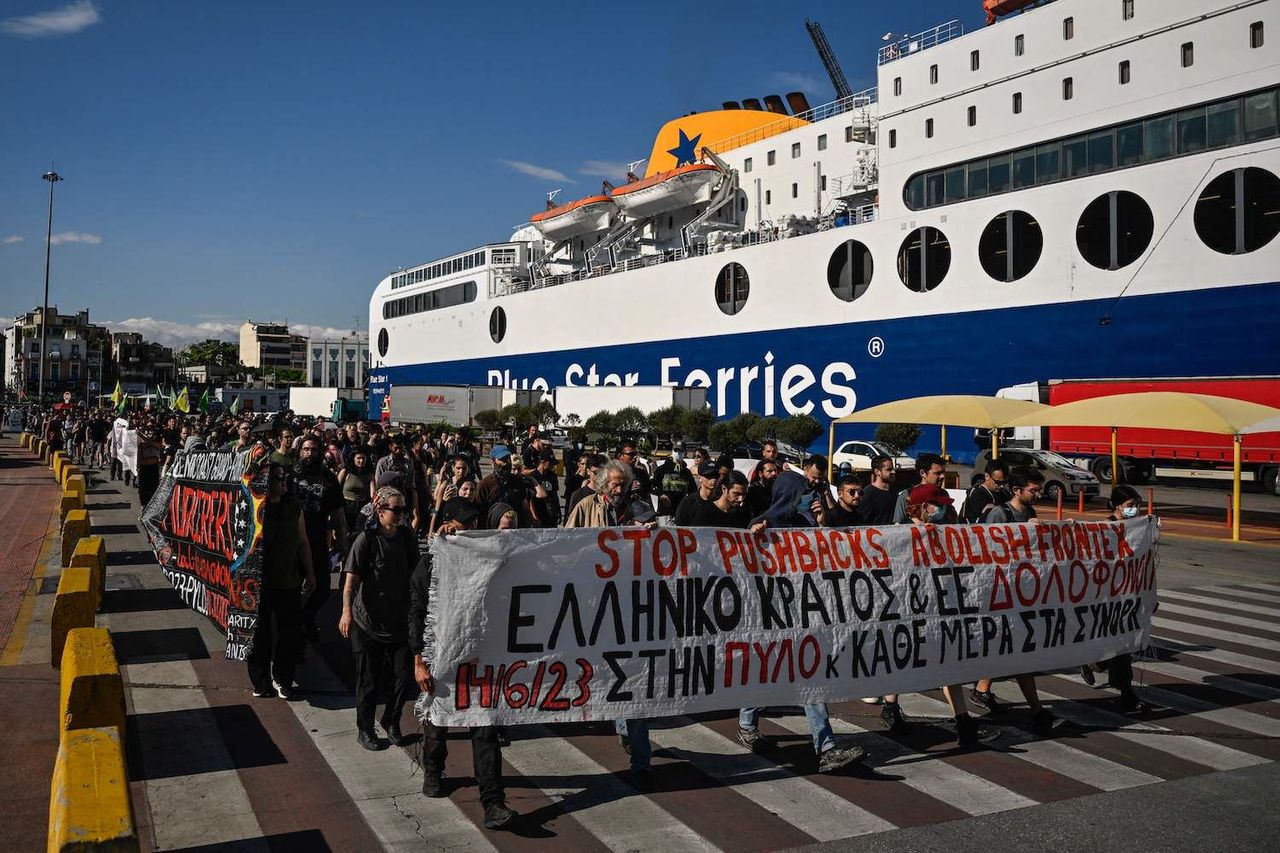
The escalating exodus of migrants daring the perilous journey across the Mediterranean from North Africa is radically transforming Europe's political fabric. As the influx grows, the continent is wrestling with the consequences of this vast population movement, leaving many nations grappling for a coherent response.
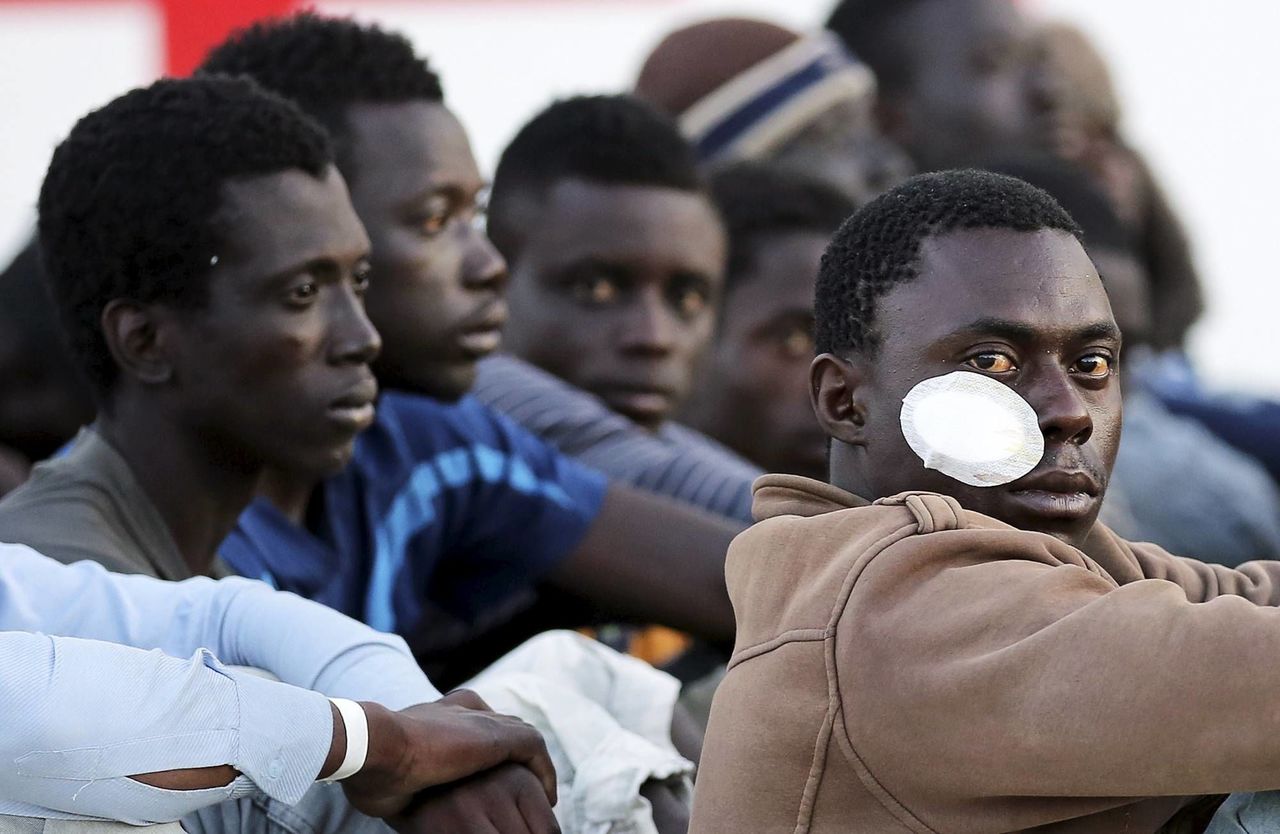
From the beaches of Tunisia to the political halls of Germany, the phenomenon is discernible. Tunisia now serves as the principal springboard for countless individuals embarking on the hazardous trek across the Mediterranean. This Mediterranean nation is a poignant tableau of ambition, hope, and despair.
Take Mohammed "BB" Lain Barrie, a young man who journeyed 5,000km from his homeland, Sierra Leone, with dreams of becoming a professional basketball player in the United States. Like Barrie, thousands risk their lives for a shot at a brighter future, often meeting a tragic end.
La Lusa, a Tunisian port, offers a grim reminder of this human toll, where fishing nets often yield the lifeless bodies of those who lost their lives to the unforgiving sea. Even so, the rising death toll does little to dissuade the desperate multitude ready to risk everything for a chance at a better life.
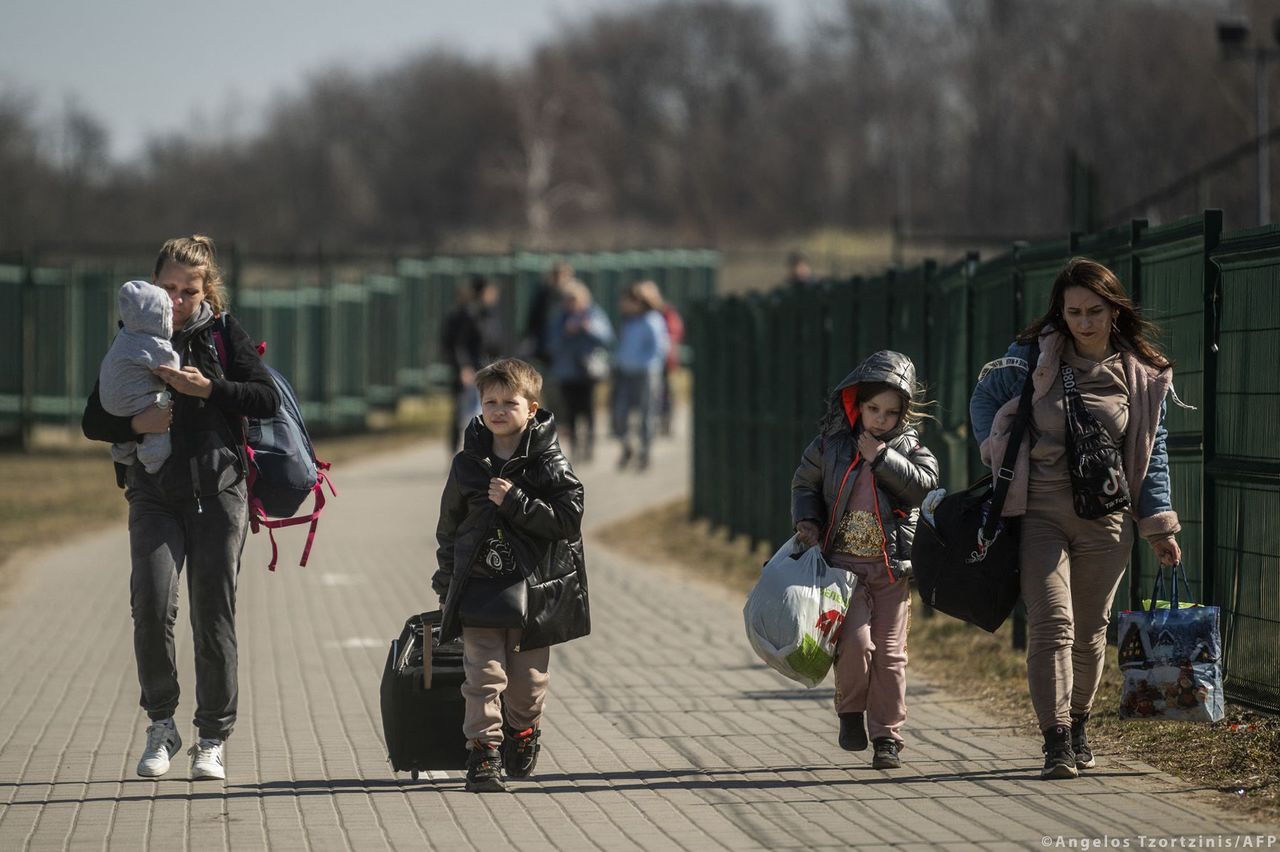
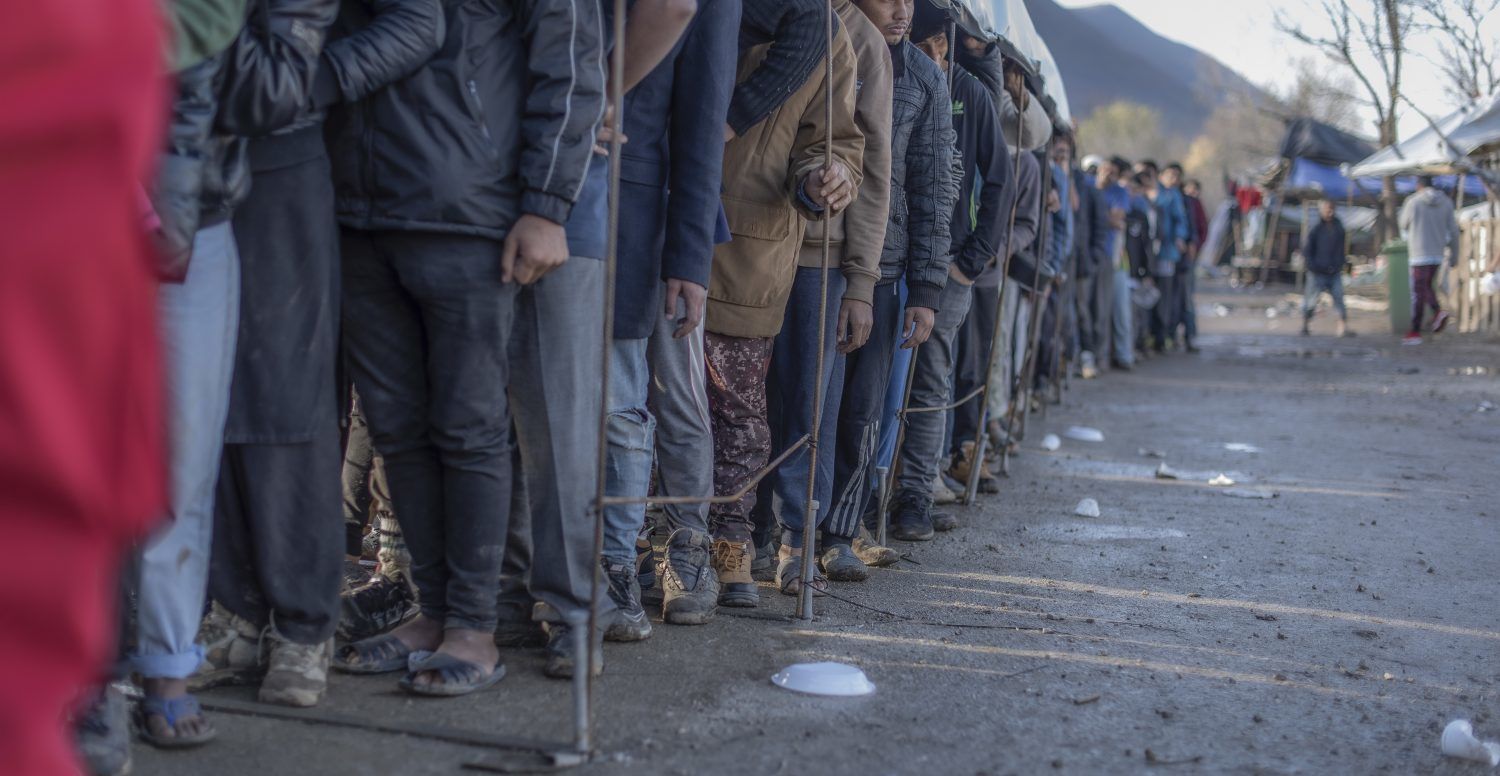
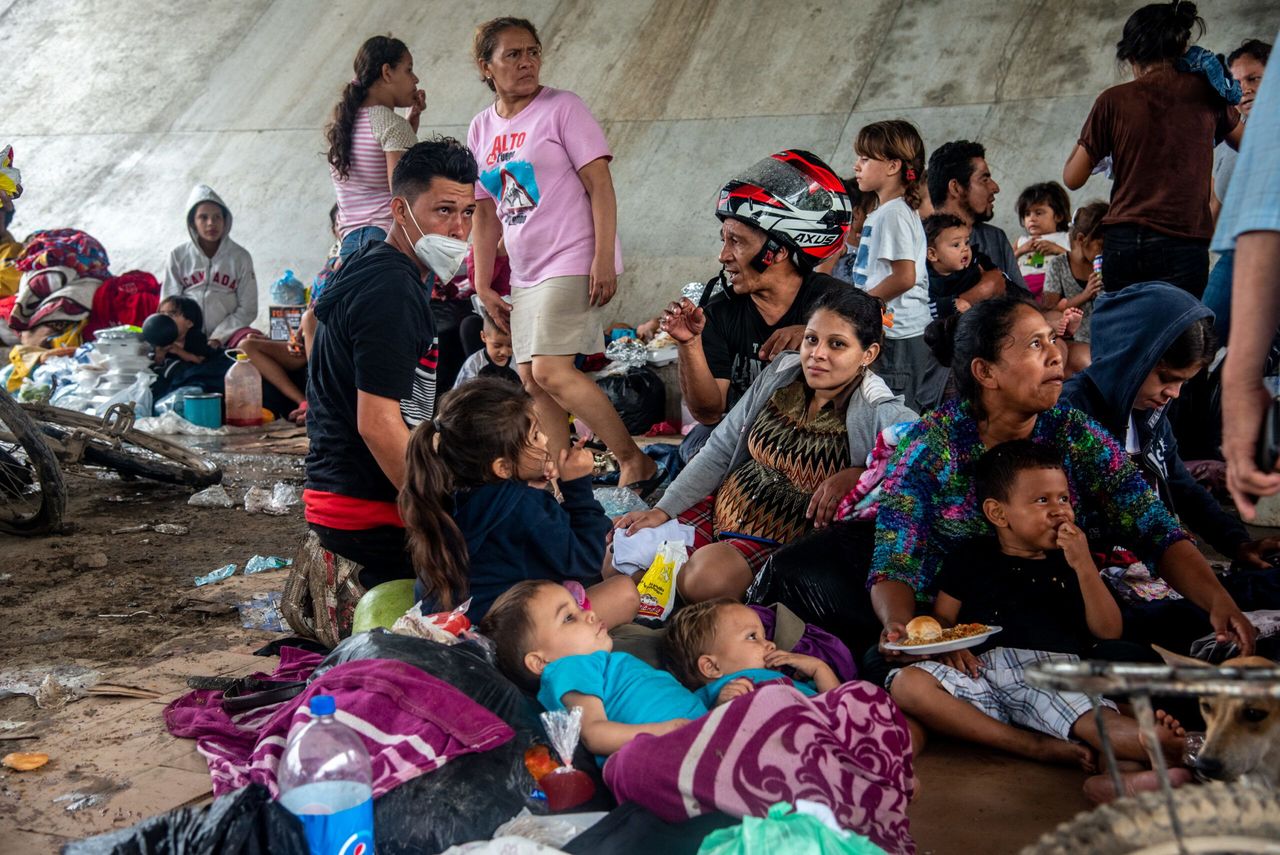
The surge, largely composed of sub-Saharan Africans eager to escape their home continent, is sending political shockwaves throughout Europe. The tidal wave of migrants is pushing nations like Italy to a political turning point.
Newly elected right-wing Prime Minister, Giorgia Meloni, rose to power on a platform promising a naval blockade to halt the migration inflow, a promise reminiscent of Rishi Sunak's pledge to "stop the boats" crossing the English Channel. This political shift extends to local leaders like Enrico Trantino, newly elected mayor of Catania, who condemns the expectation for Sicily to shoulder the burden of the incoming refugees.
This migration crisis has even coaxed the European Union into controversial diplomacy, offering up to $2bn in aid to Tunisia's president, Kais Saied, if he aids in halting the migrant boats, despite Saied facing accusations of inciting racial animosity.
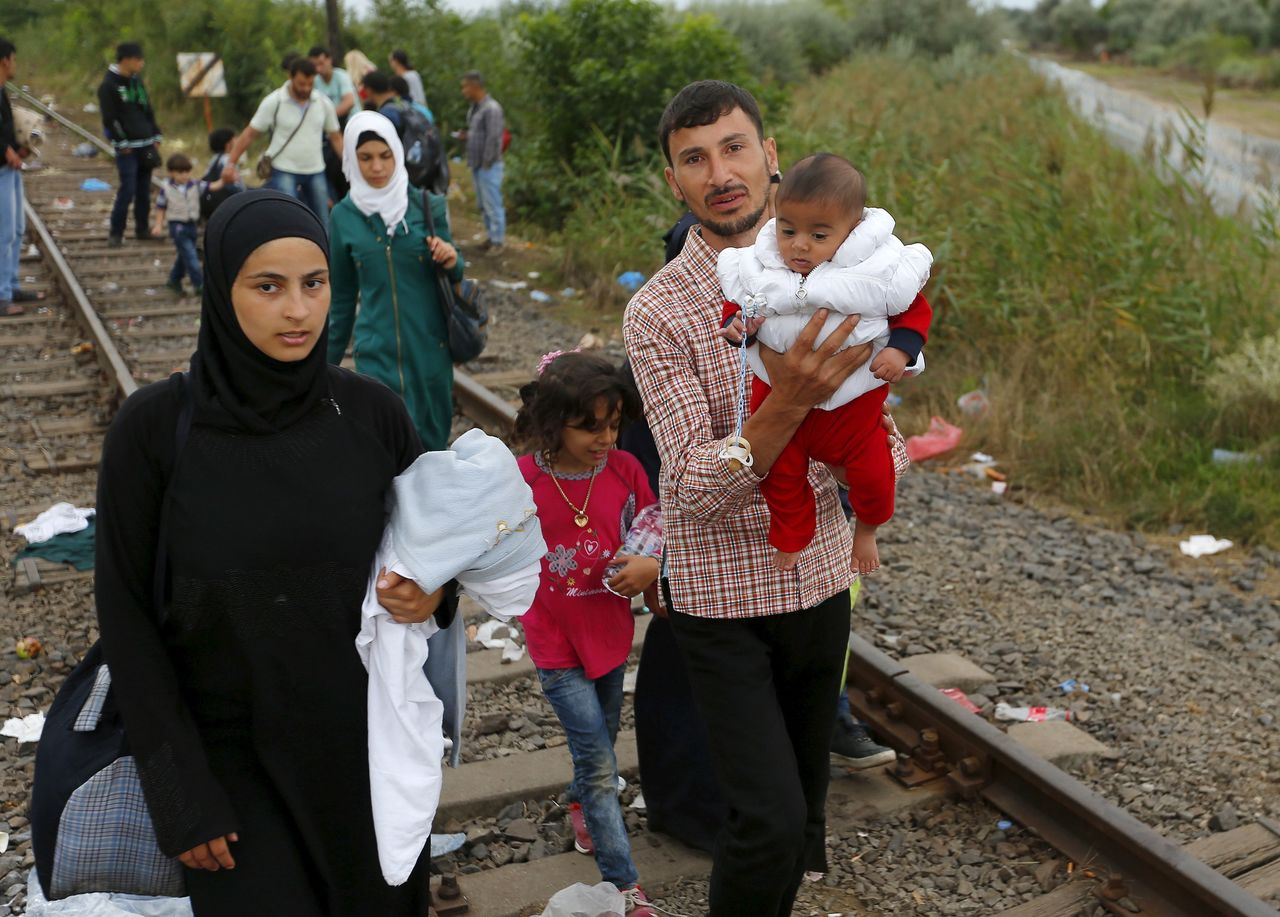
The anti-migrant sentiment is not confined to Mediterranean shores. In Germany, the rise of the far-right AfD party and a looming election pose critical implications for the nation's future. The memory of 2015, when Germany welcomed over a million refugees, still echoes in regions like Rosenheim in Bavaria, where locals blame migrants for their social issues.
Ironically, as the European populace pressures politicians to prioritize their needs, industries are desperately seeking an influx of workers. In a radical pivot, the German government is even considering expedited workforce integration for asylum seekers to mitigate labor shortages.
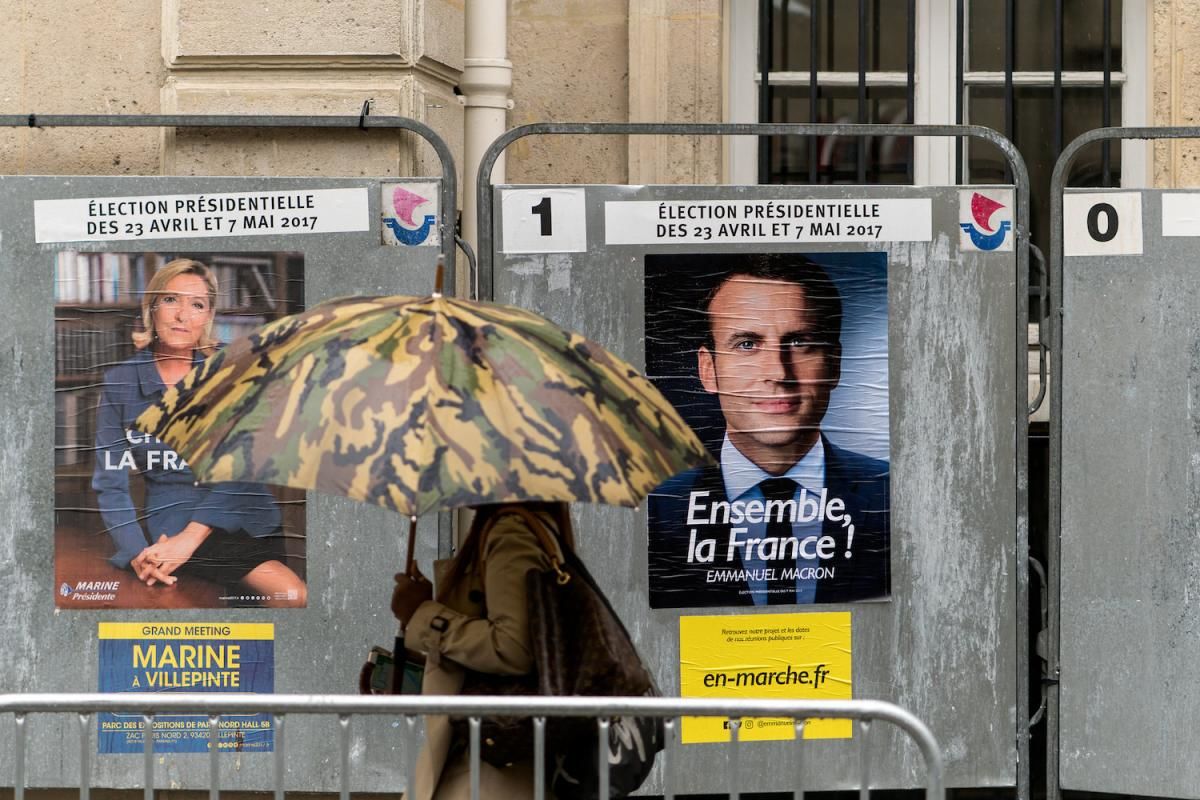
The struggle to reconcile economic needs with political realities extends beyond Germany's borders. In the Netherlands, disagreement over immigration policy led to the government's collapse, and even traditionally liberal Scandinavian nations are tightening their immigration laws.
Europe is at a crossroads, teetering between compassion for the desperate hopes of the migrants and an innate desire to protect its borders. For now, the political landscape seems to be leaning towards the latter, heralding a profound transformation in the heart of Europe.
LONDON DAILY ARCHIVE
The Changing Face of Europe: How Mass Migration is Reshaping the Political Landscape
From Africa to Germany, the mounting wave of refugees alters the region's dynamics, as nations grapple with their response
16 July 2023 · 00:09 UTC