LONDON DAILY ARCHIVE
The Bomb-Hunters: Exploring UK Waters for Unexploded Weapons
UK waters conceal a trove of potentially lethal unexploded ordnance (UXO) with hundreds of thousands of bombs and mines resting on the seabed.
22 January 2024 · 22:13 UTC

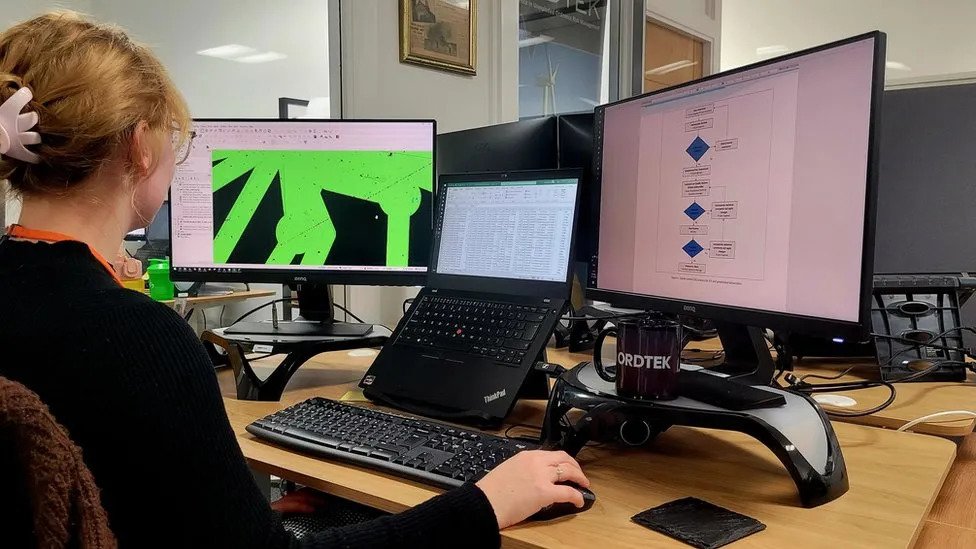


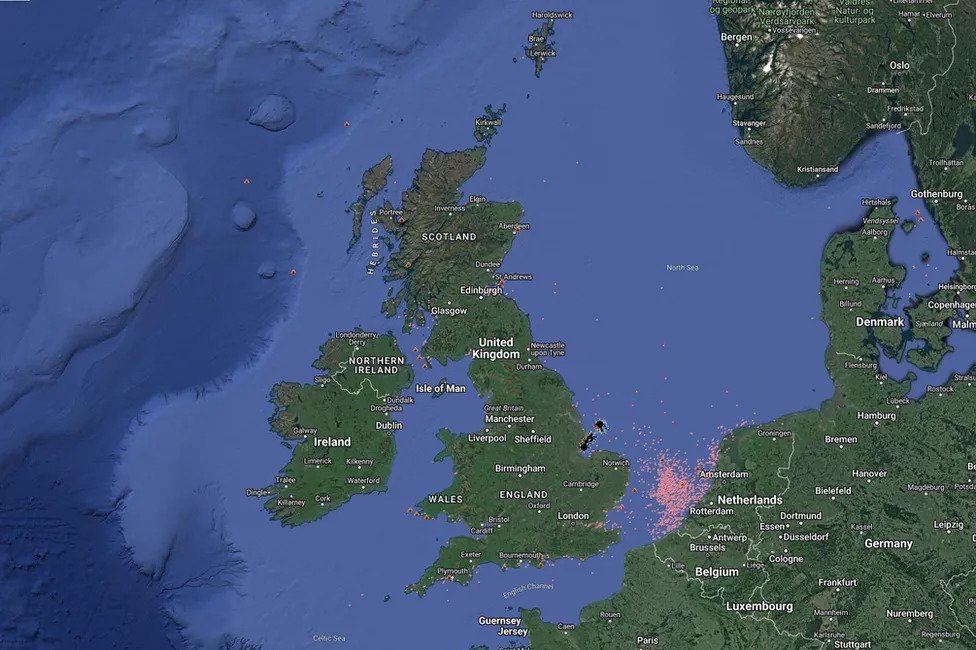

Norfolk-based Ordtek, led by Gooderham, showcases a screen teeming with red dots, the culmination of 12 years of diligent work. Each dot symbolizes a recognized munition in areas like the English Channel and the southern North Sea, yet countless go undetected.
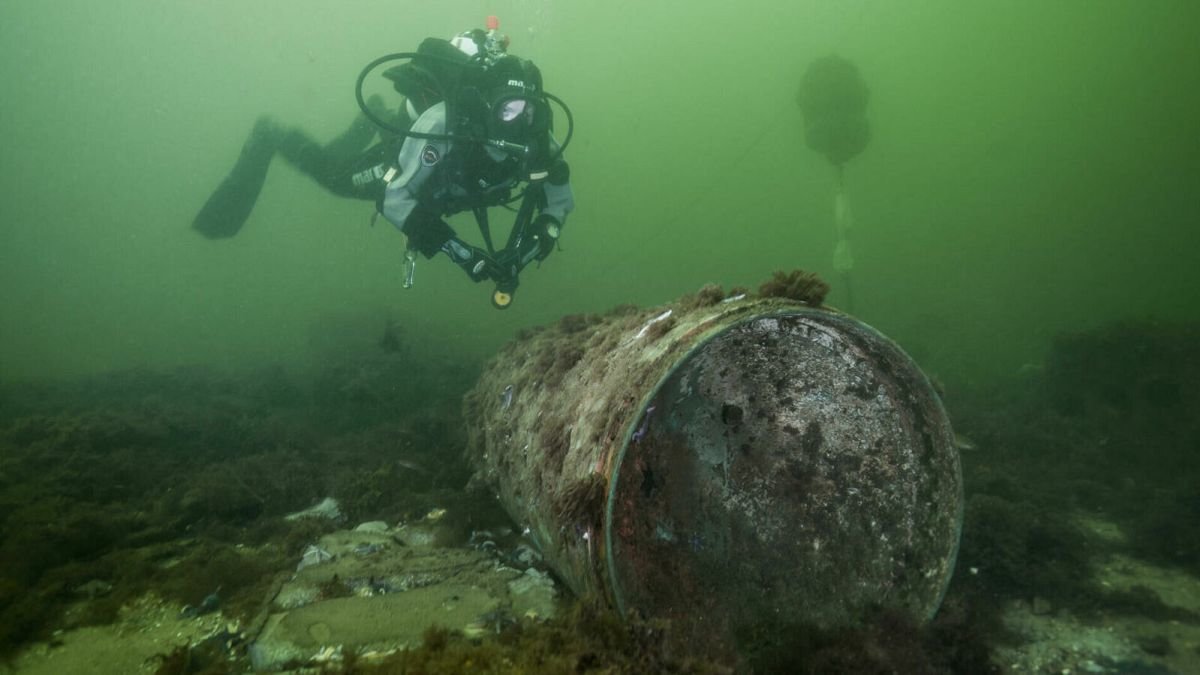
Gooderham explains that their daily mission is identifying and neutralizing UXO. The remnants of wars past, these devices stand as menacing relics for fishermen and dredgers, and encounters can be catastrophic.
In 2020, a WWII bomb catapulted the Galwad-Y-Mor fishing vessel into the air off Cromer, Norfolk, injuring five crew members, with the brave skipper later succumbing to his injuries.
Nonetheless, Ordtek's clientele is rooted in the offshore and renewable industries, where early development sites frequently intersect with high-risk UXO sectors. Ordtek—part of a niche consultancy market—assists these sectors in avoiding or addressing UXO threats, ensuring safe construction of coastal projects.
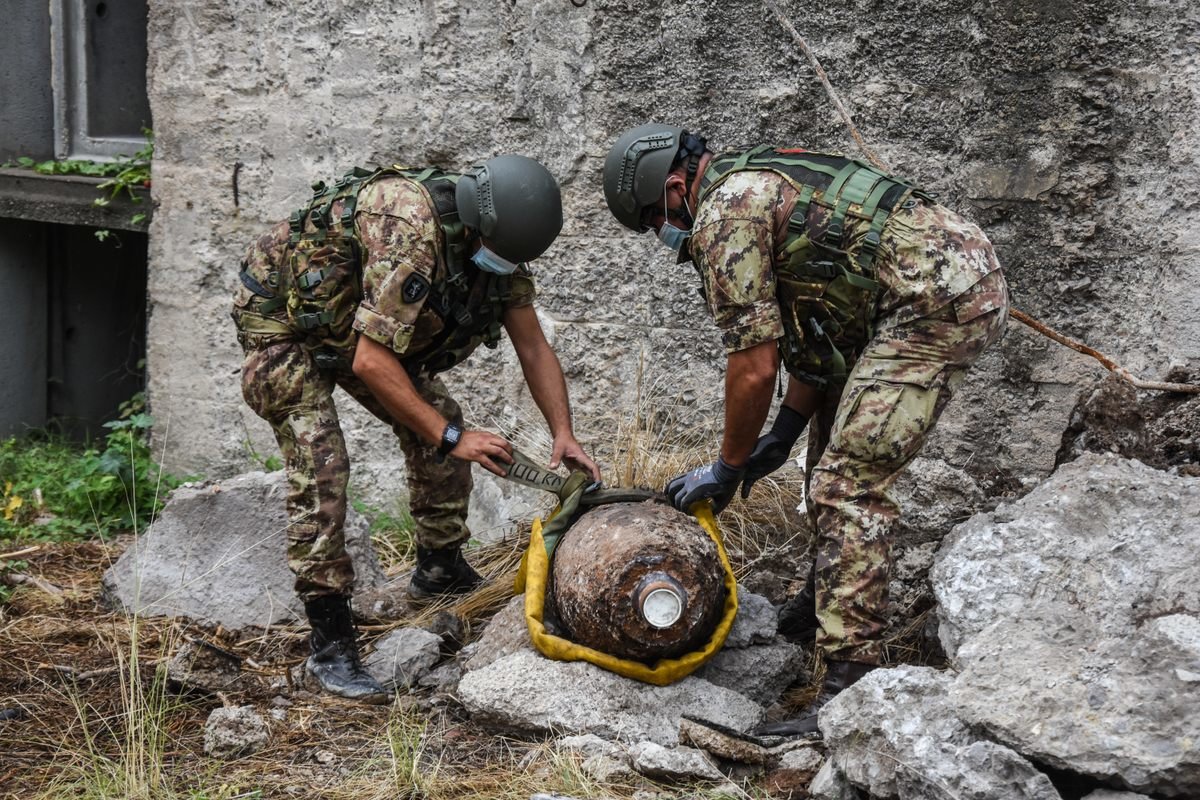
The UXO location process starts with thorough research, followed by geophysical surveys to pinpoint risks. If bombs can't be sidestepped, removal is undertaken by specialized vessels equipped with remotely operated vehicles (ROVs), which delicately relocate marine life before neutralizing the munition.
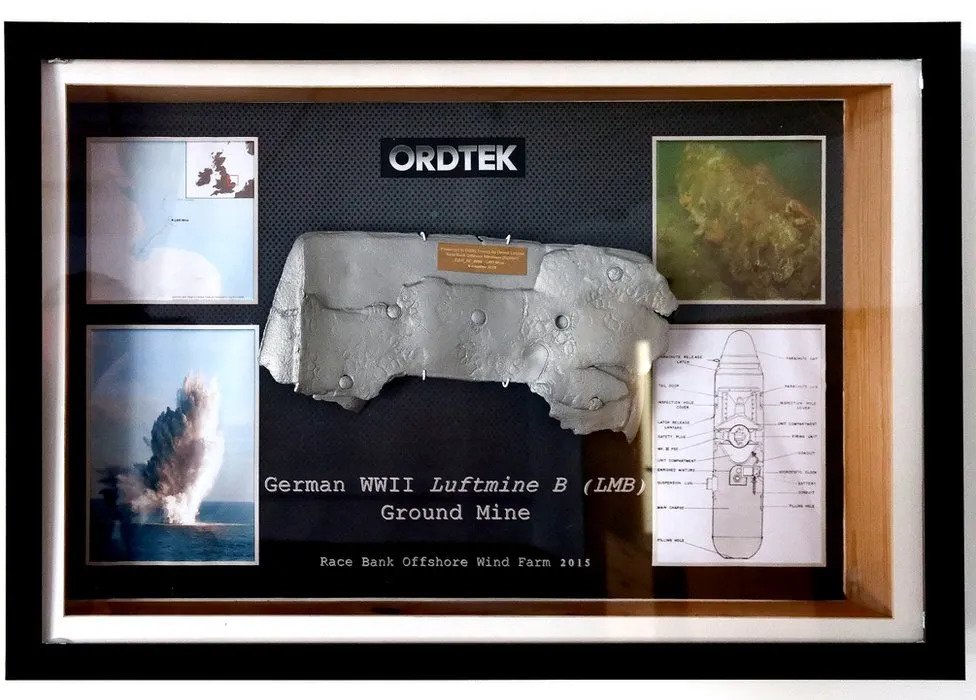
Ordtek's offices display remnants of their work, including munitions fragments from a sizable German mine discovered and safely detonated off the Norfolk coast.
Yet, the clearing of seabeds is an immense challenge. Experts estimate it could take centuries and an unfathomable sum to remove WWII munitions alone, evidenced by the unexpected UXO dump sites discovered near the Hornsea Project.
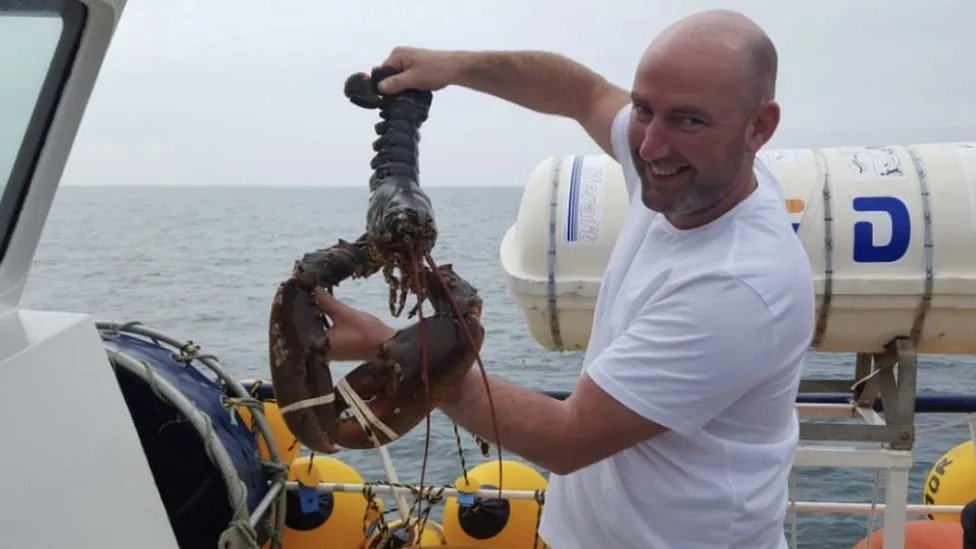
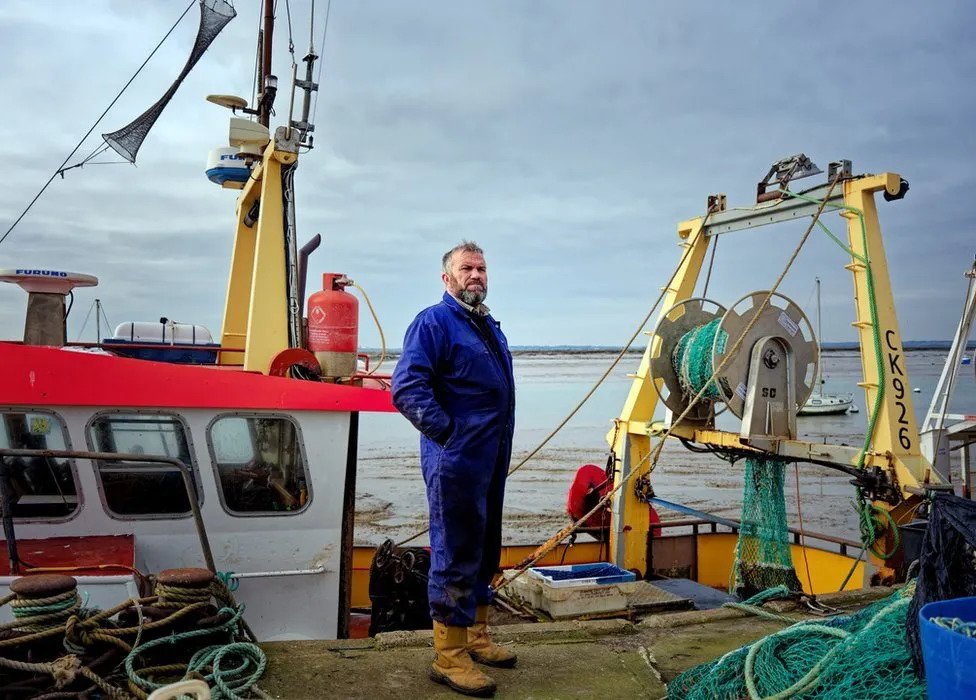
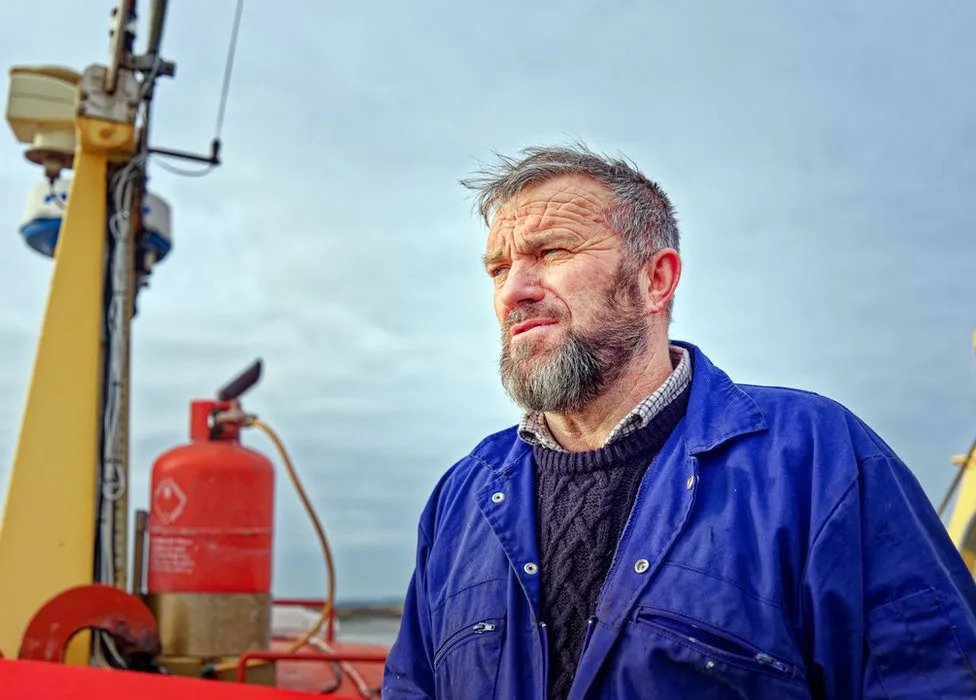
Fishermen like Steve Stoker have personal ties to the perils of UXO. Having lost family members and witnessed the changing policy from rewards for UXO discovery to complete avoidance, Stoker continues to navigate Essex's bomb-laden waters with caution, adapting to declining fish populations and learning to mark and avoid known hazards.
Despite the perilous nature of UXOs, a blasé attitude persists among some, like Stoker, who has grown accustomed to these underwater threats. Meanwhile, the Ministry of Defence acknowledges the ongoing discoveries of wartime munitions, with EOD teams ready to respond and safely manage any UXO uncovered.