LONDON DAILY ARCHIVE
Tata Steel: Impact on the UK's Carbon Emissions
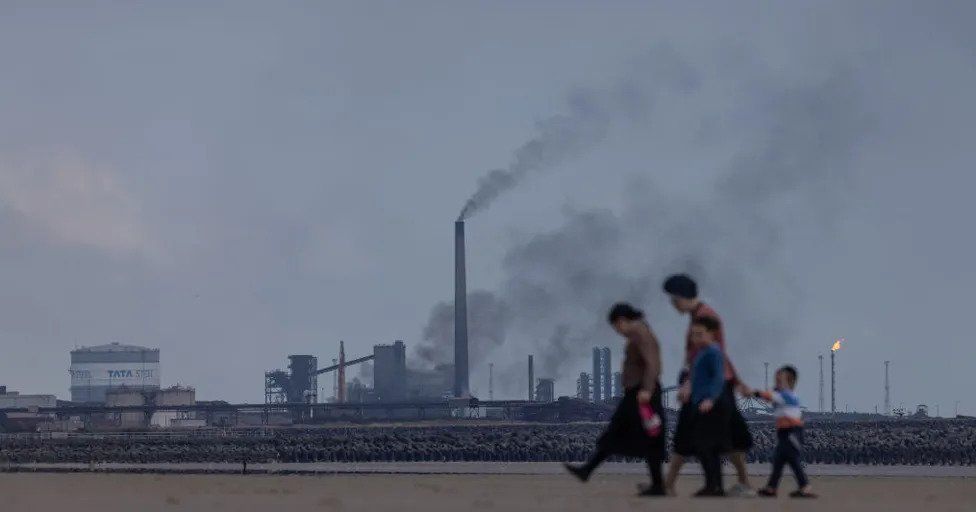
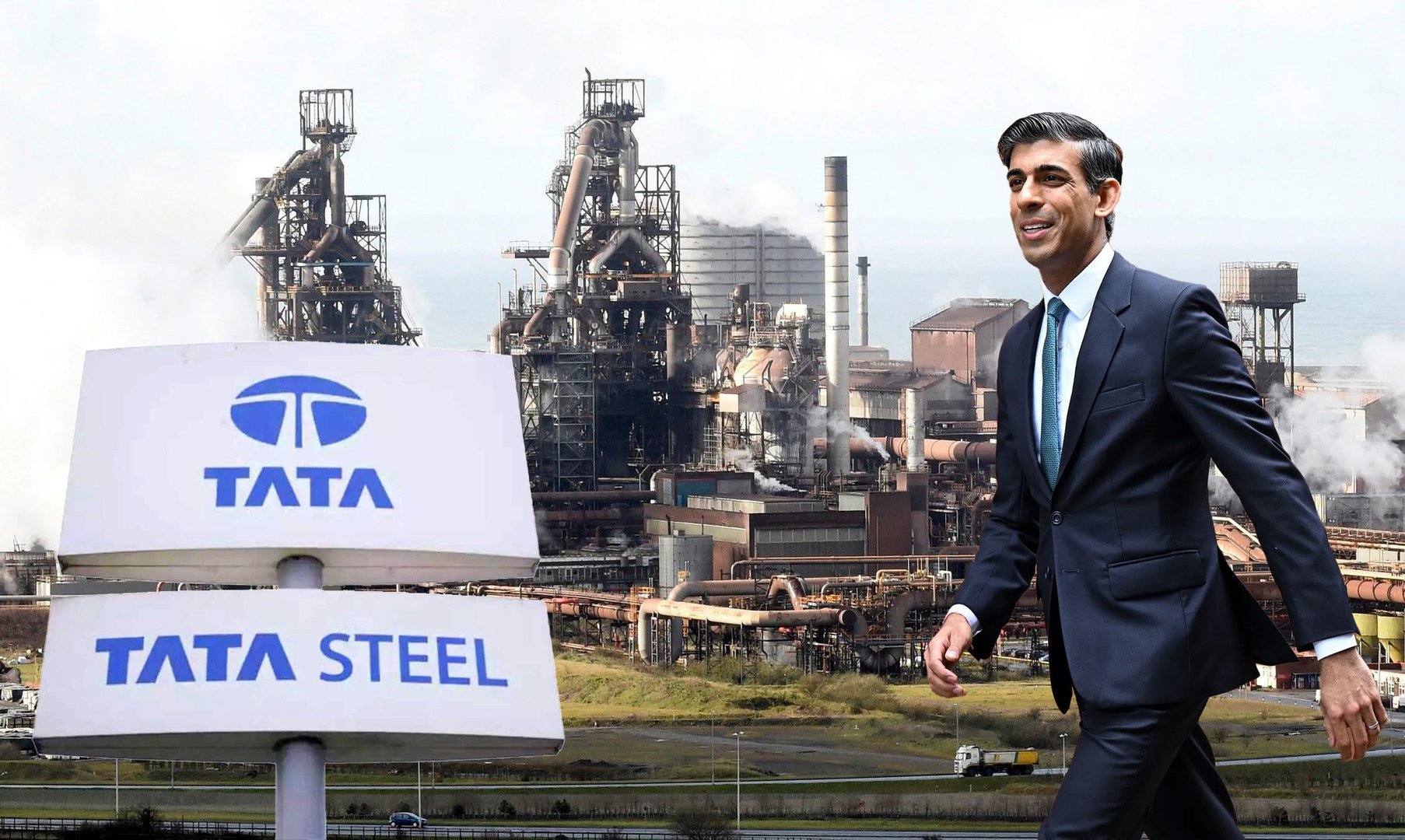
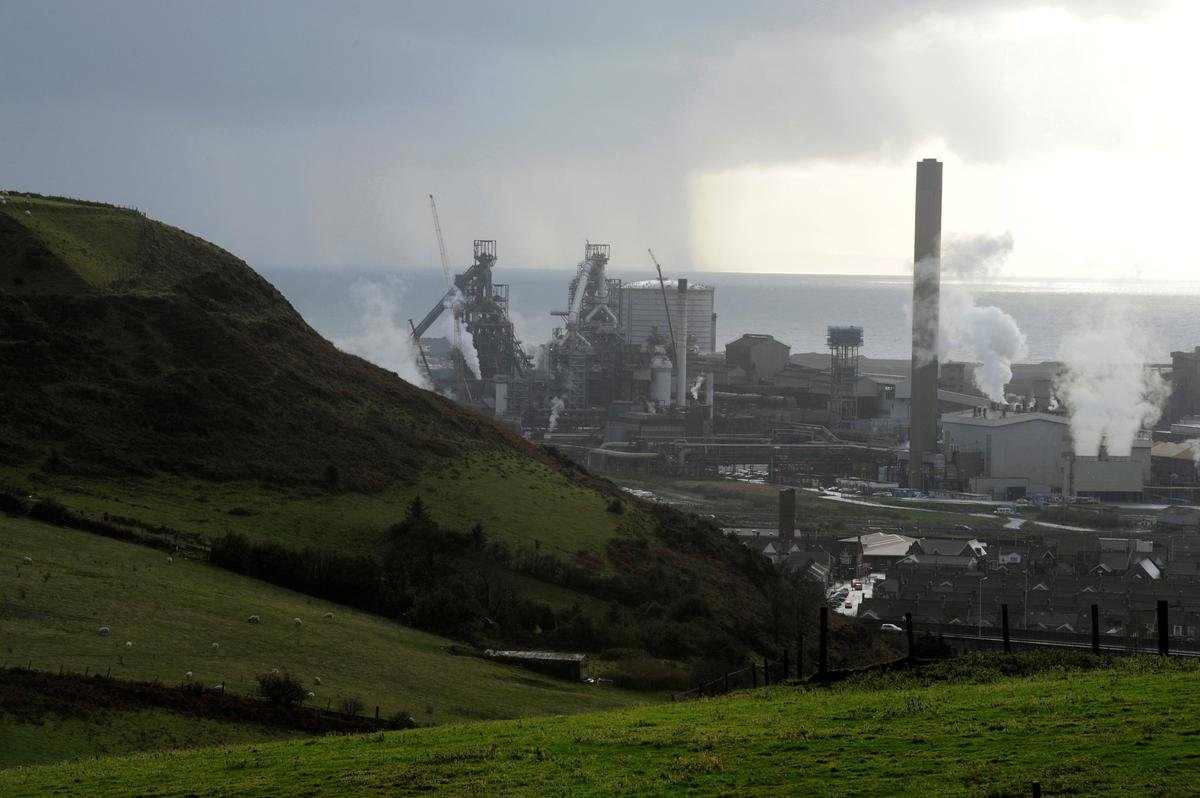
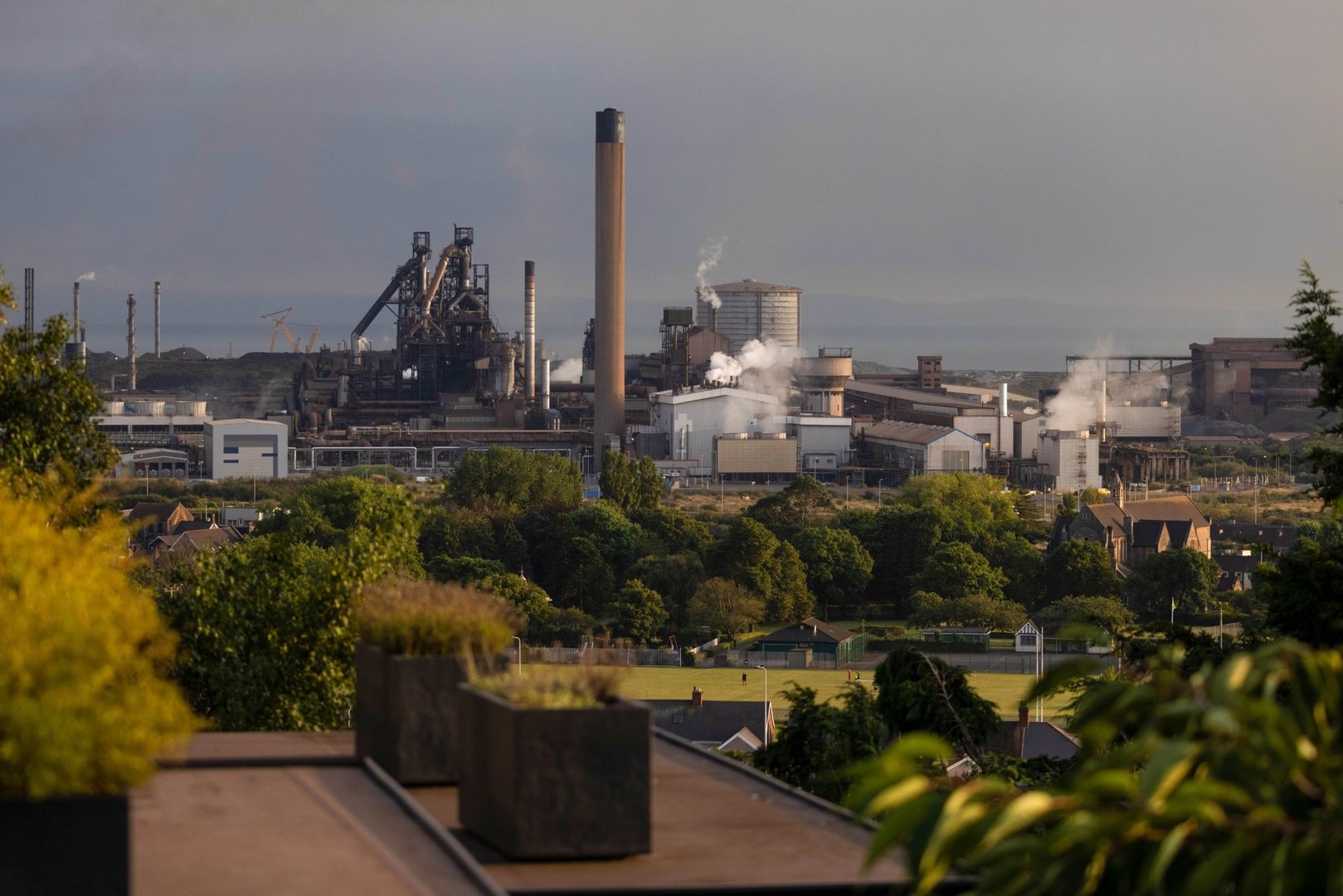
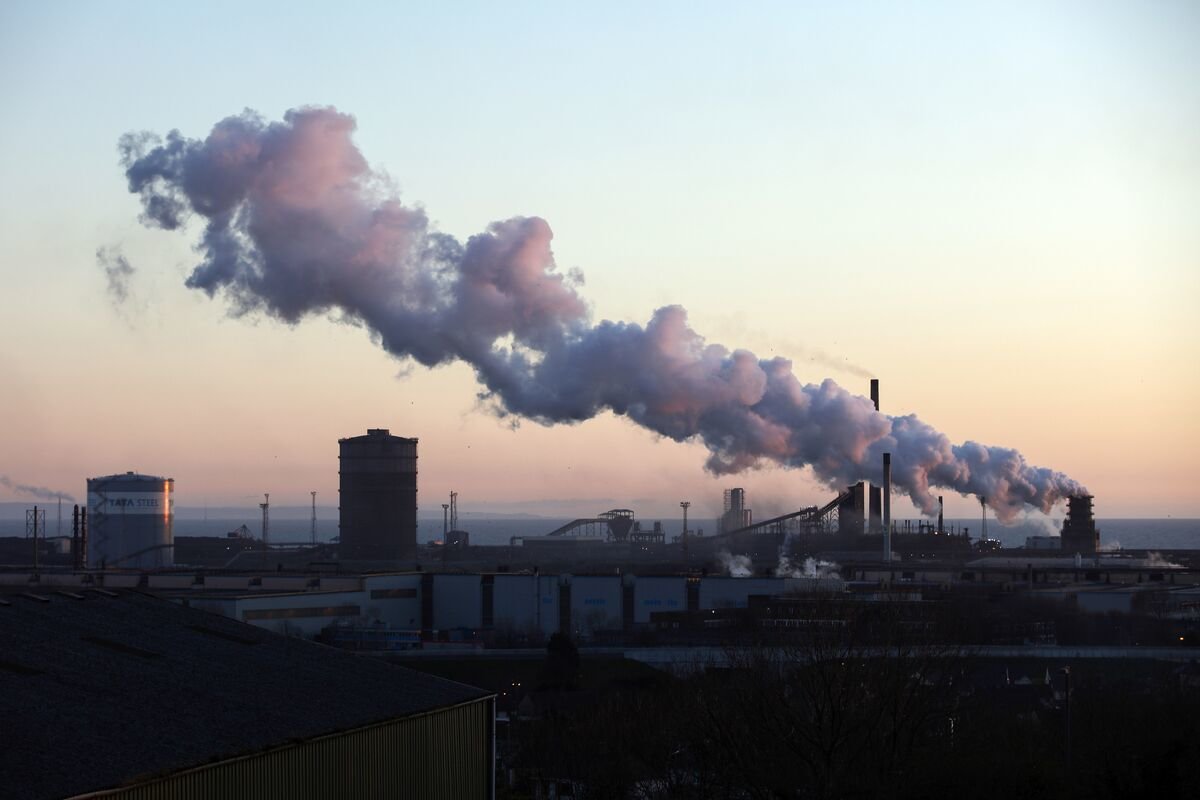
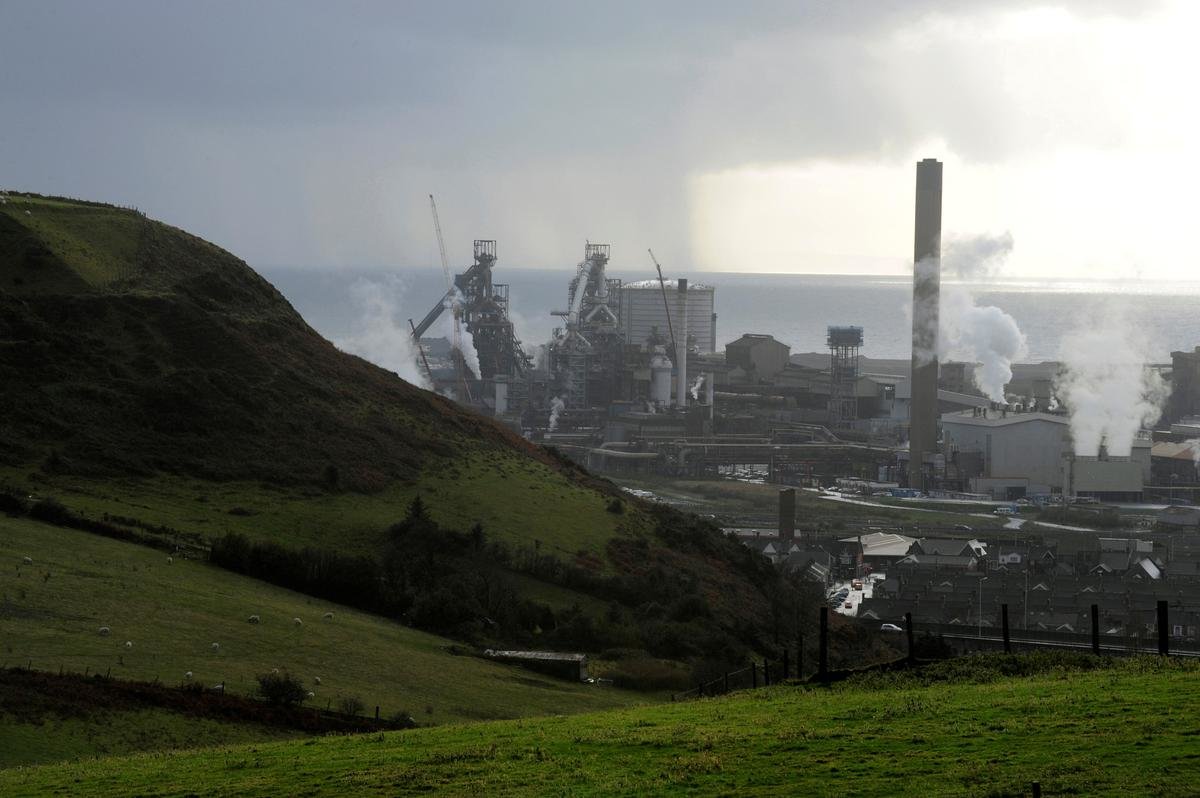
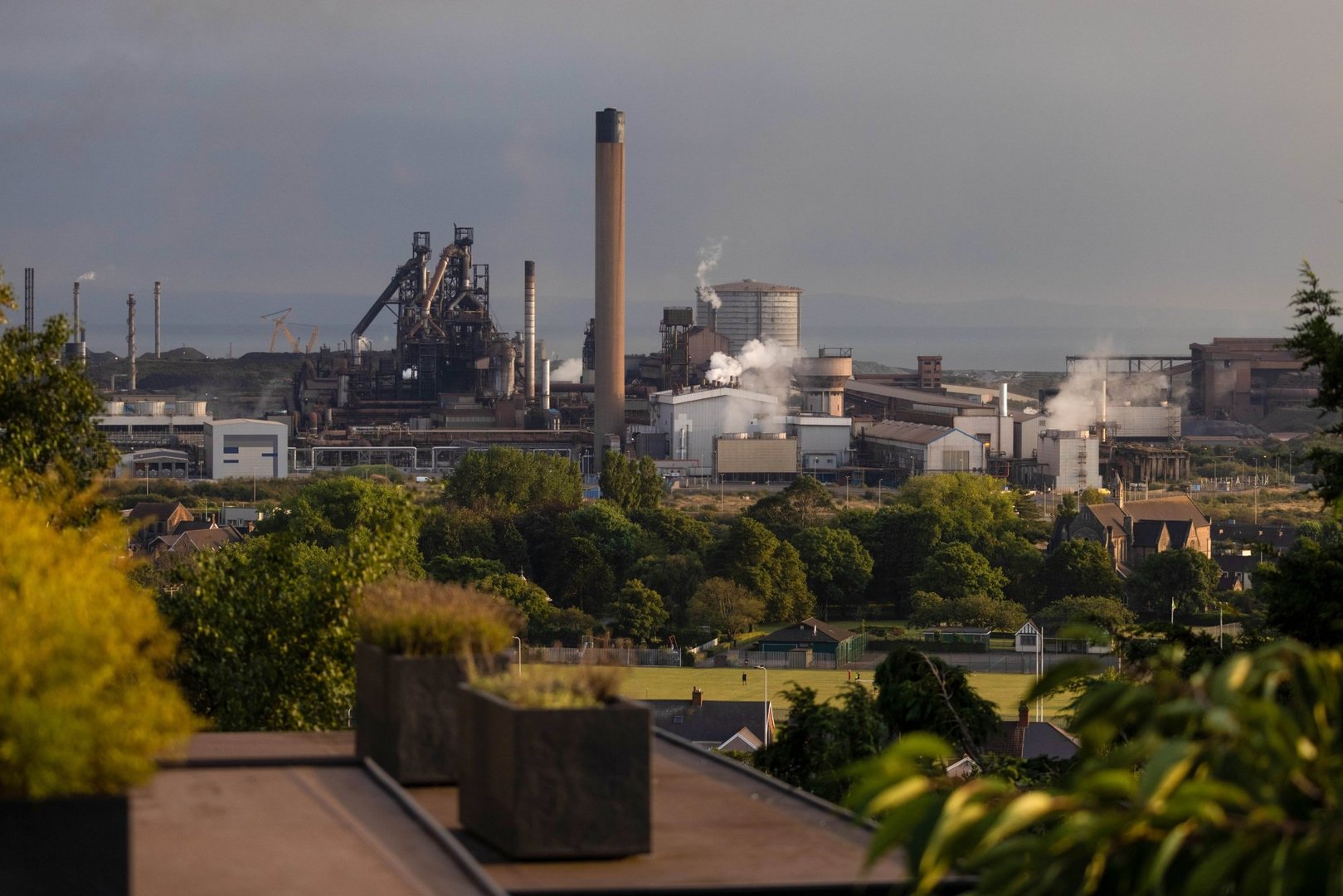
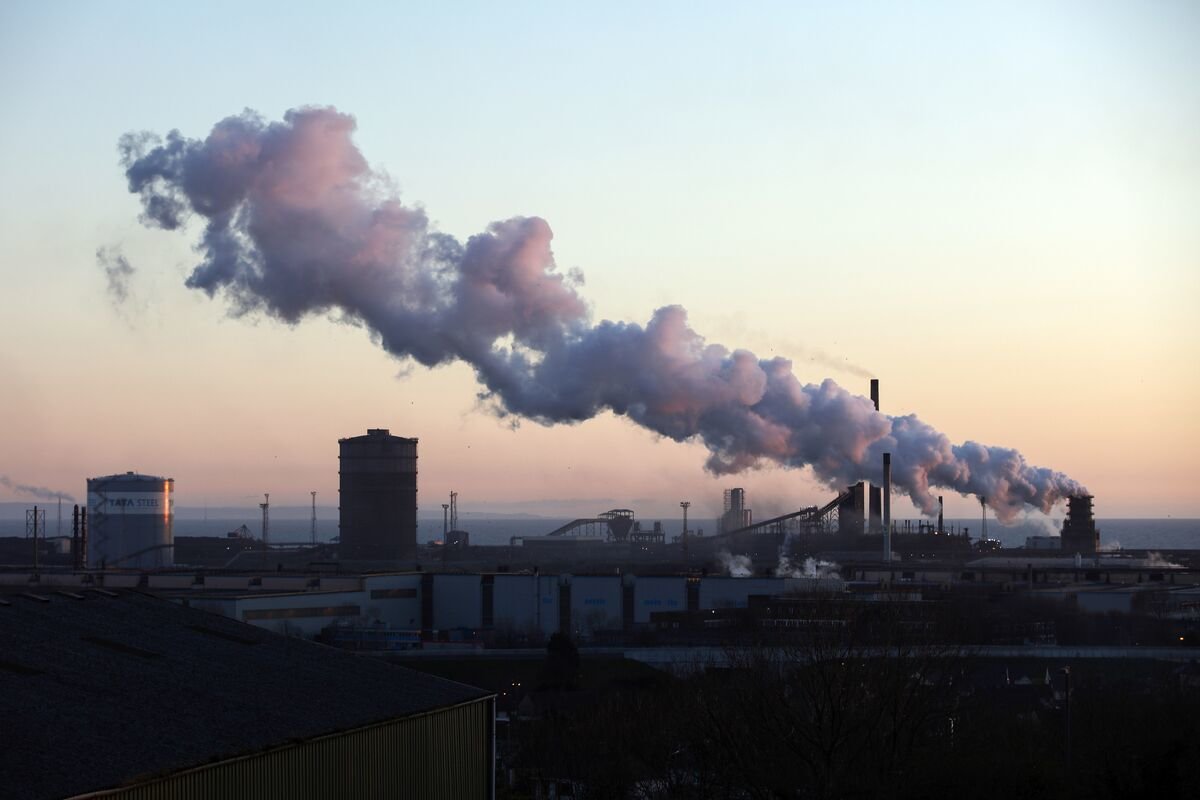
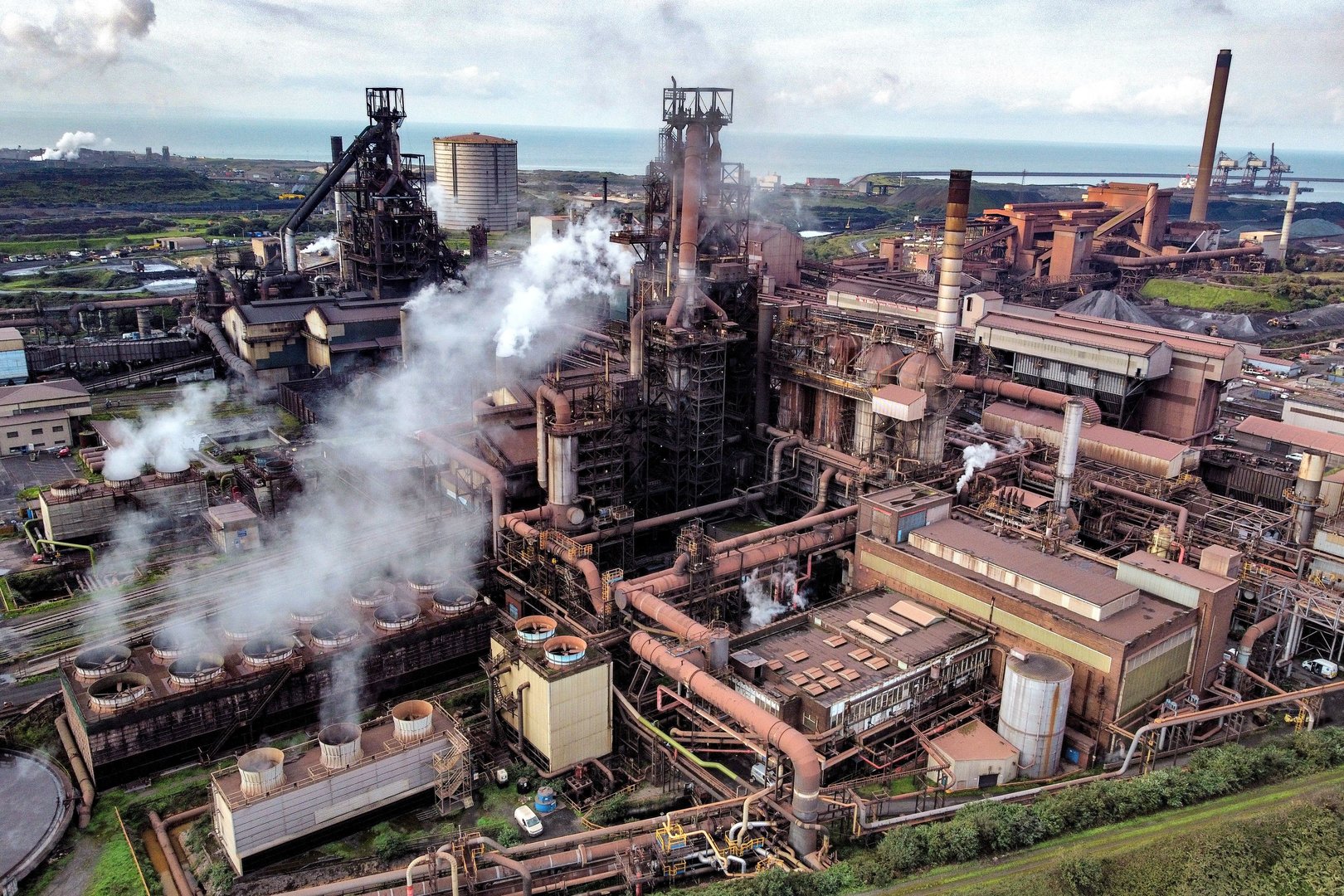
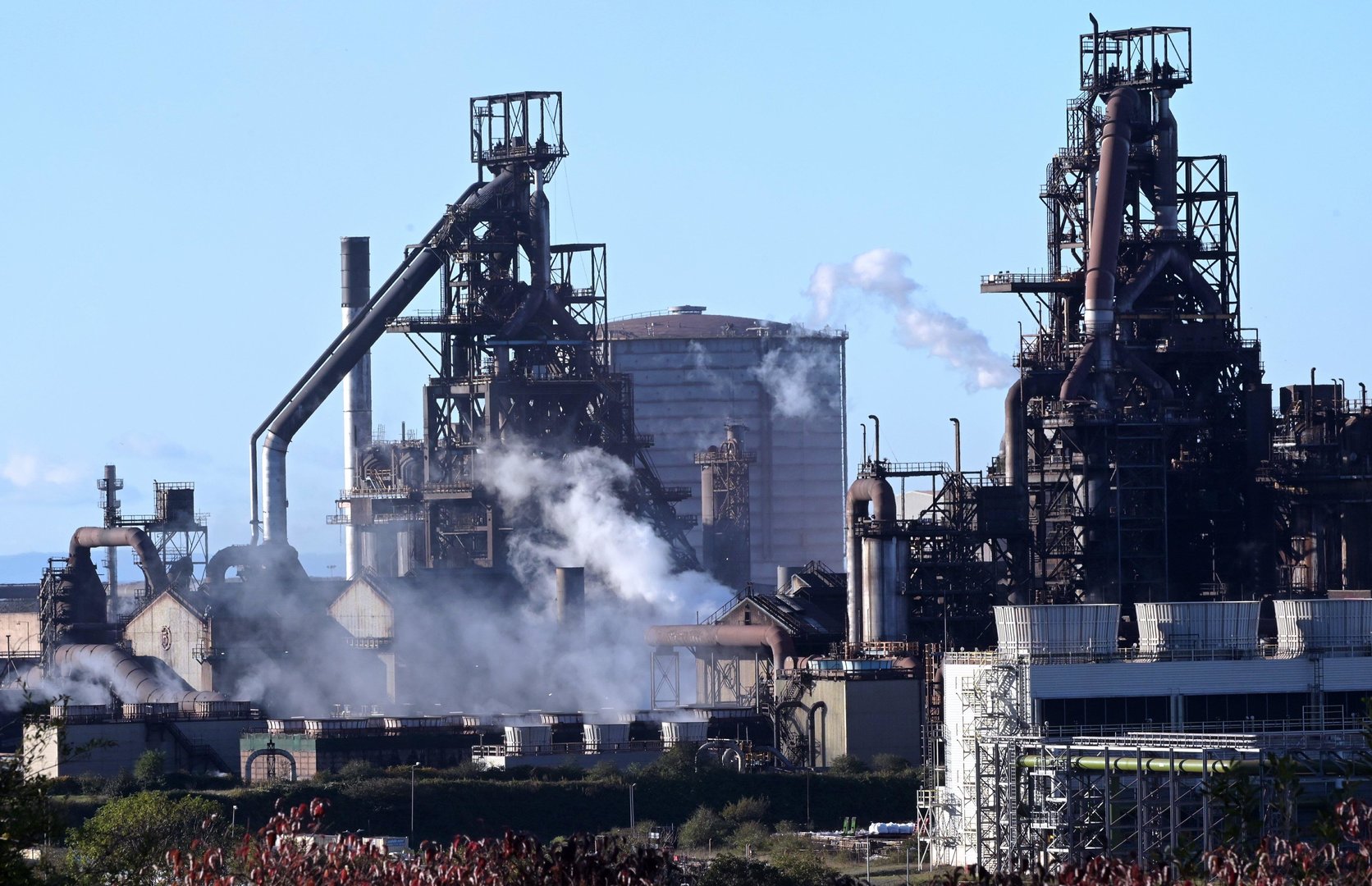
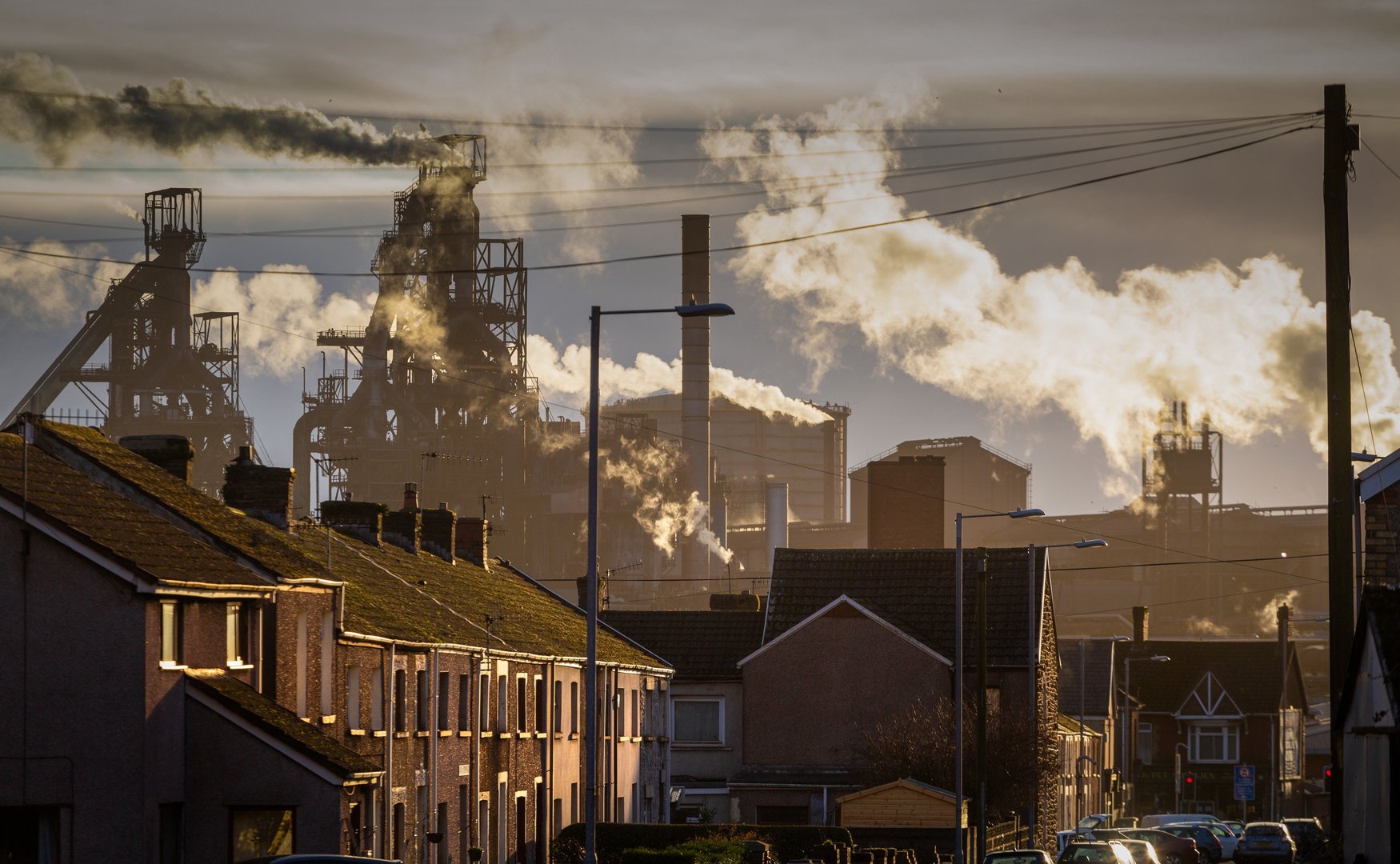
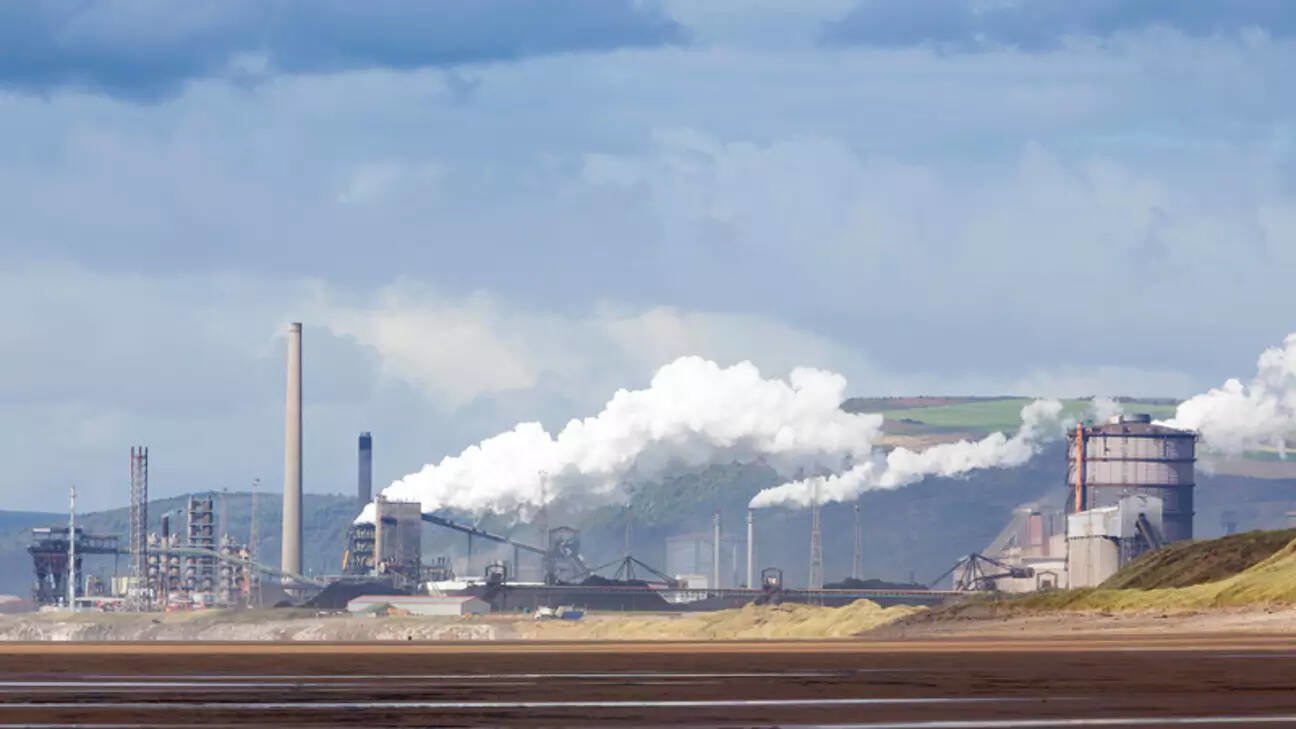
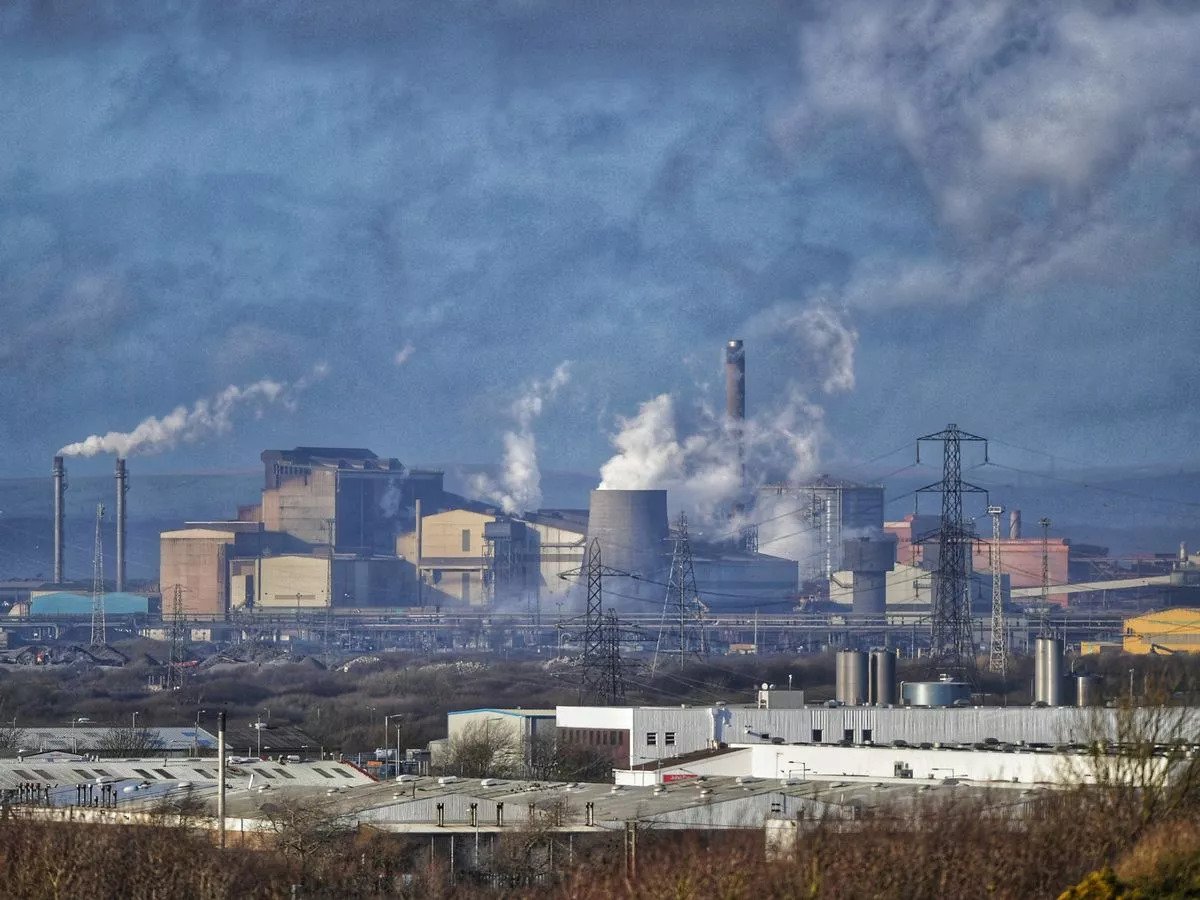
Tata Steel is undertaking significant restructuring at its Port Talbot facility, the UK's largest steel plant and top carbon emitter, due to environmental goals and financial pressure.
19 January 2024 · 07:48 UTC


The Shift from Blast Furnaces
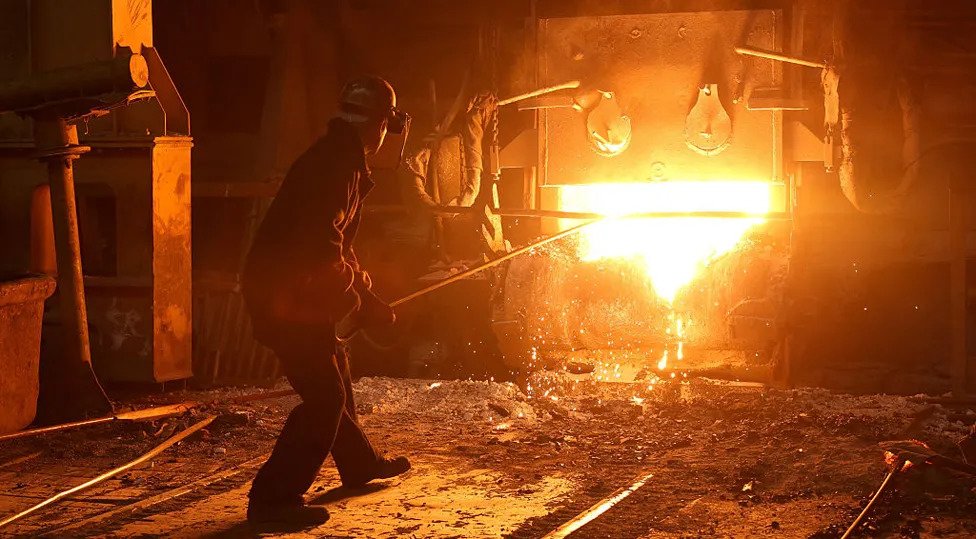
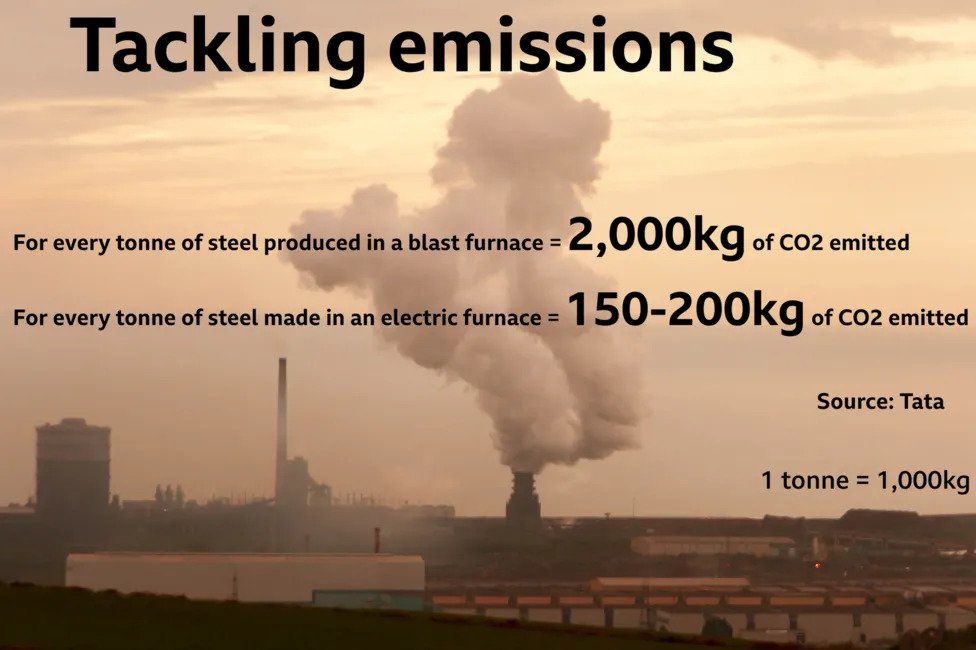
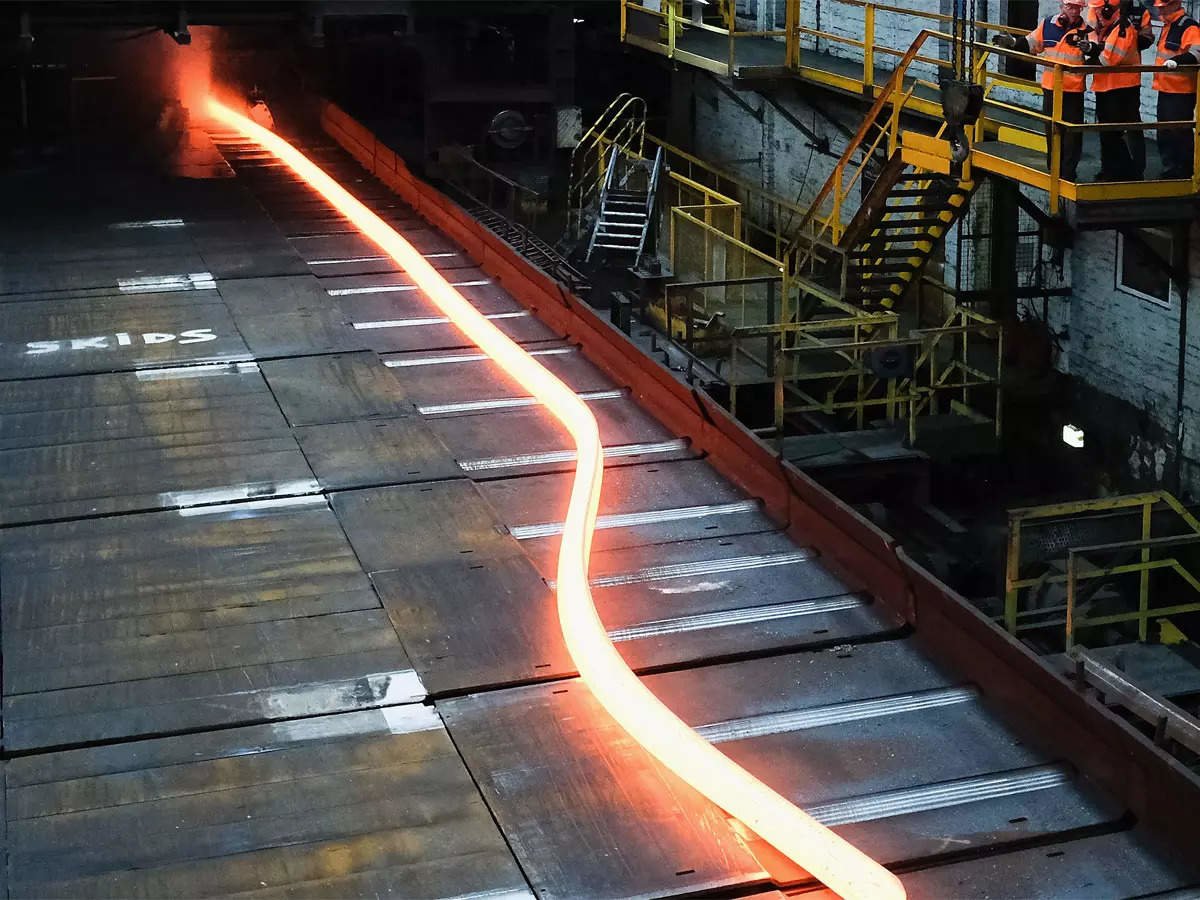
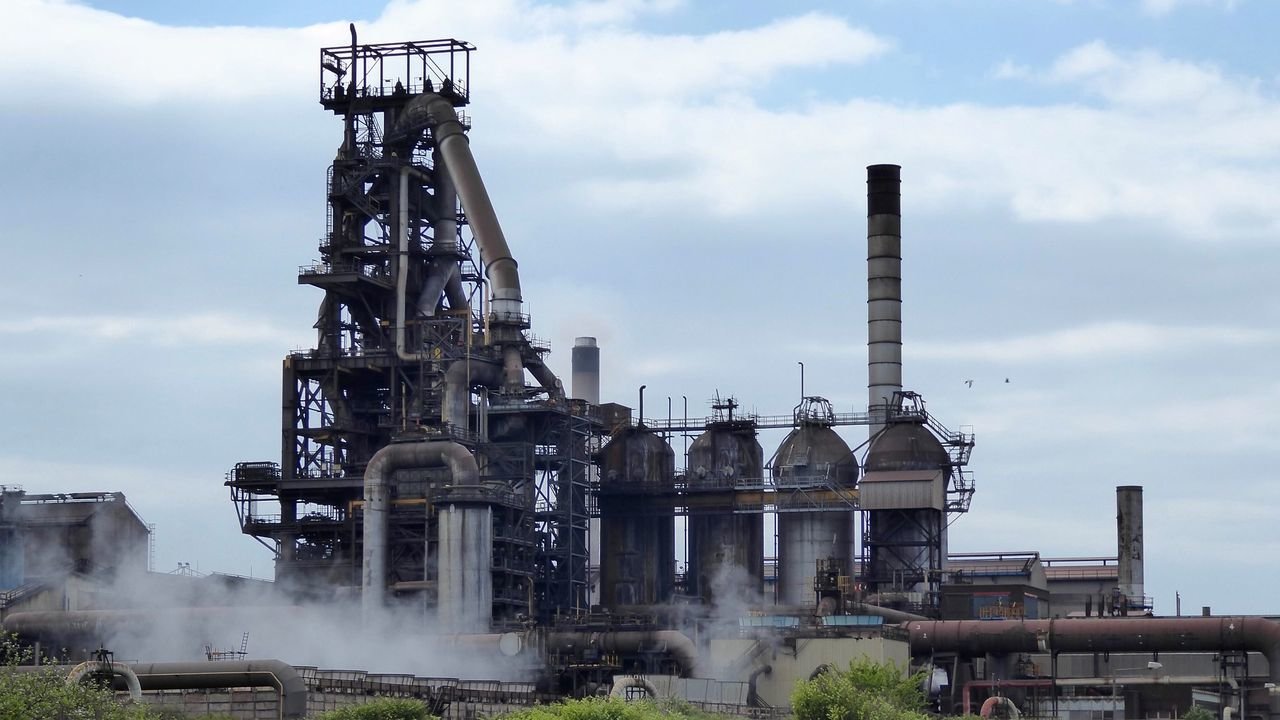
Blast furnaces, integral to traditional steelmaking, emit substantial carbon dioxide as coal is used to extract iron from ore. Perpetual high energy use further increases the carbon footprint. With the UK committed to net-zero emissions by 2050, the industry is under pressure to change.
Transition to Electric Arc Furnace
Port Talbot's potential switch to an electric arc furnace represents a shift towards recycling scrap metal, which produces significantly less carbon dioxide. Electricity-powered, the furnace's emissions could drop to 10% of current levels, akin to reducing nearly 2 million homes' annual carbon output.
Implications for Environmental Goals
Tata's strategy aims to cut emissions by 90% and achieve net zero by 2045 using emerging technologies like carbon capture and green hydrogen. This pivot could contribute to a 15-20% drop in Wales' emissions and a 1.5% decrease for the UK. However, the UK's reliance on imported steel during this transition may offset some benefits.
Reaction to Changes
Environmentalists and steel unions advocate a measured transition that preserves jobs, urging continued use of a blast furnace alongside the new electric method. The steel industry's move to greener production is seen as urgent yet challenging, with fears that without proper foresight, the shift could endanger local employment.
Government Actions
The Welsh and UK governments pledge support for workers through a £100m plan and emphasize a carefully managed shift to a greener economy with minimal forced redundancies. They have committed to assisting the community and workers in transitioning to new, sustainable job opportunities amidst the industrial changes.