LONDON DAILY ARCHIVE
Starmer and Macron Coordinate on Ukraine Peace Efforts Amid EU Defense Spending Surge
Leaders discuss united military and diplomatic strategies as European nations prepare to bolster defense expenditures.
08 March 2025 · 09:26 UTC
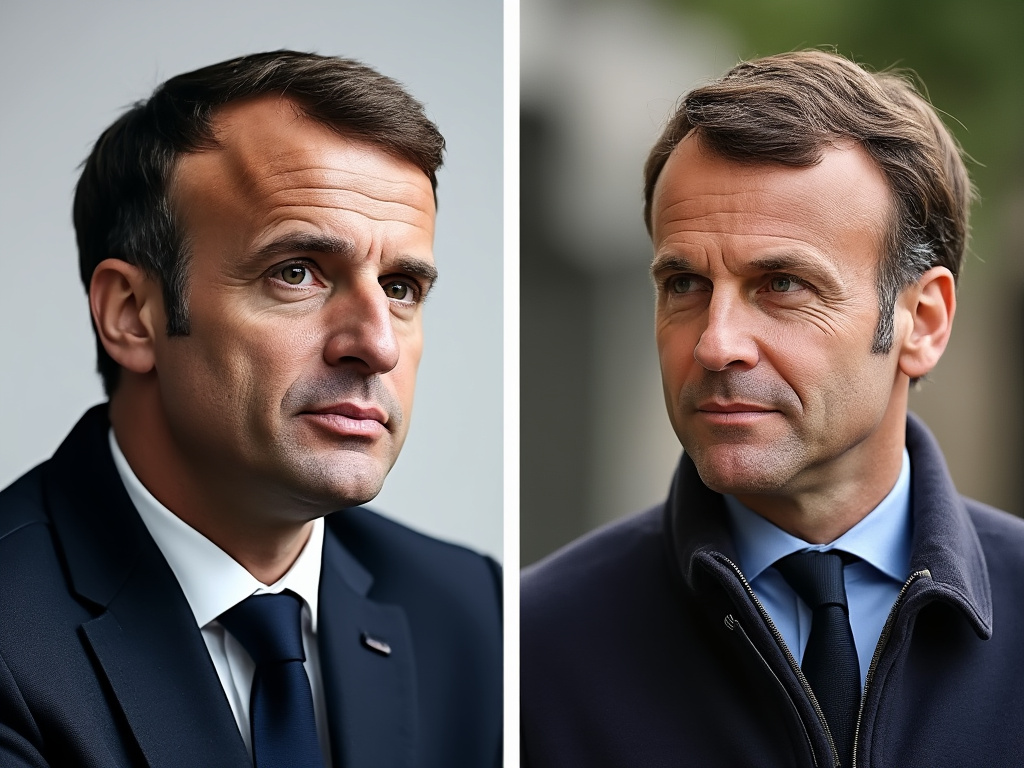
This conversation occurred following the European Union's agreement to release substantial financial resources to enhance security measures amidst concerns about future security assistance from the United States under President Donald Trump.
The leaders spoke on Friday evening, aiming to consolidate their strategy for a ‘coalition of the willing’—a collective of countries committed to supporting Kyiv in its ongoing conflict with Russia.
This dialogue followed a series of conversations held by Starmer with various European leaders, including Antonio Costa, President of the European Council, and Ursula von der Leyen, President of the European Commission, along with representatives from Canada, Turkey, Norway, and Iceland.
During these discussions, Starmer praised a significant plan from Brussels which is expected to increase collective defense spending across Europe.
On Thursday, 27 leaders from EU countries endorsed new military expenditure plans.
This decision allows EU nations to increase defense spending by loosening previous budget restrictions, potentially unlocking approximately €650 billion (£545 billion) to bolster military preparedness.
This move comes as the specter of a reduction in U.S. security aid looms large, particularly in the wake of Trump’s remarks suggesting he might re-evaluate the United States' commitments to NATO allies based on their military spending.
Starmer characterized the recent developments as 'historic,' indicating a pivotal moment for European security efforts.
In his engagements with other leaders, Starmer also shared updates on ongoing diplomatic negotiations among the U.S., the UK, France, and Ukraine, and offered optimism about forthcoming peace discussions slated to occur in Saudi Arabia next week, which were affirmed by Ukrainian President Volodymyr Zelensky.
Meanwhile, Trump announced on his Truth Social platform his consideration of imposing sanctions and tariffs on Russia until a permanent peace agreement is finalized.
He described the current situation in Ukraine, noting Russia’s increased military aggression, and called for negotiations between the two nations to commence.
In conjunction with diplomatic activities, Ukrainian officials reported a series of Russian missile and drone strikes targeting essential energy infrastructure within Ukraine, leading to significant damage, particularly to facilities operated by state-run oil and gas company Naftogaz.
Fortunately, no casualties were reported as a result of these attacks, though they raised alarms about the security of energy resources amidst worsening conditions.
Starmer's administration, in tandem with Macron, is actively seeking commitments from countries willing to contribute to a military peacekeeping force as part of post-conflict stabilization.
This initiative reportedly includes discussions involving defense leaders from around 20 primarily European and Commonwealth nations.
Each participant country in this coalition may contribute differently, ranging from troop deployments to logistical support.
The British Prime Minister emphasized the necessity of strong coordinated efforts in his communications with European leaders.
He highlighted an upcoming chiefs of defense meeting in Paris, which is set to be a crucial element in advancing strategic planning for security in Europe.
As diplomatic tensions persist, and while the potential role of Trump in recalibrating America's strategy towards Ukraine unfolds, the British government reiterated its pledge to support Ukraine's defense capabilities.
Recently, the UK announced a £2.26 billion loan to Ukraine, underpinned by revenues from seized Russian assets, to enhance its military operations against Russian forces and address the impacts of the invasion.
Europe's proactive steps in defense spending and military collaboration reflect a broader commitment to maintaining regional stability amid ongoing hostilities in Ukraine, positioning European nations toward a unified stance in the face of potential geopolitical shifts.