LONDON DAILY ARCHIVE
SpaceX Starship Rocket Explodes During Test Flight
Latest test flight ends in failure as SpaceX loses contact shortly after launch from Texas.
08 March 2025 · 09:14 UTC
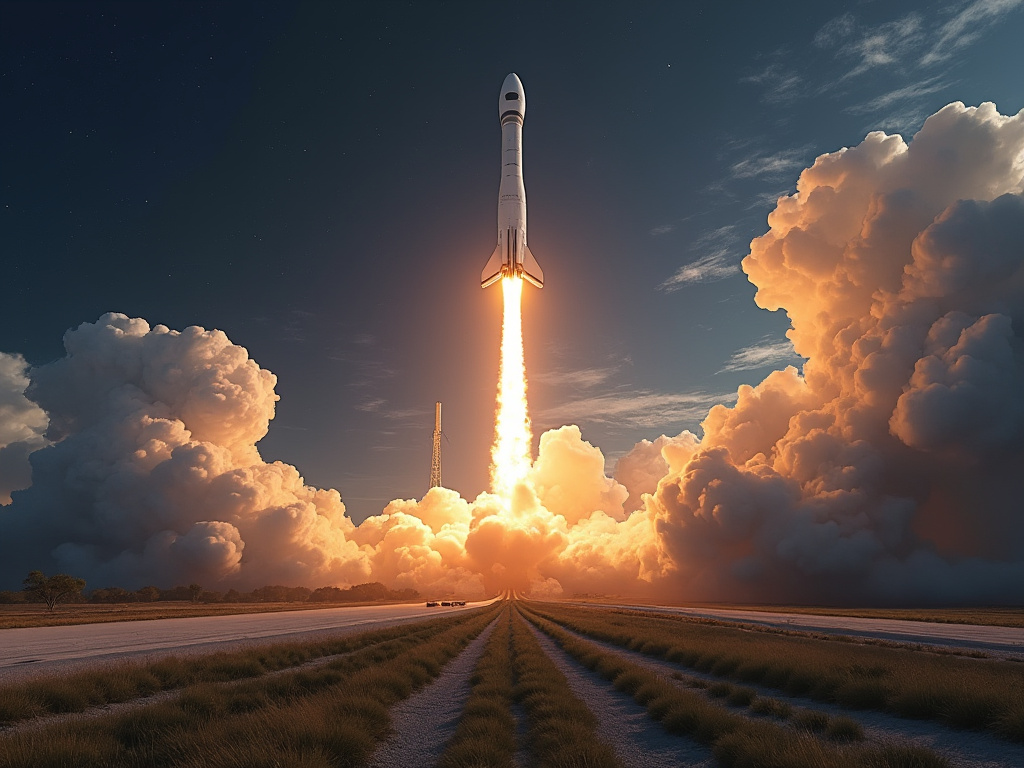
The incident occurred approximately two months following a similar explosion that resulted in debris falling over the Turks and Caicos Islands.
Witnesses reported seeing wreckage and flaming debris fall over Florida, although the exact impact site has not been confirmed.
The spacecraft reached an altitude of nearly 90 miles before an apparent loss of control occurred, initiating a rapid descent that rendered the mission unsuccessful.
SpaceX has yet to clarify whether the onboard self-destruct mechanism was activated.
The rocket, which stands 403 feet tall, experienced engine failures as it coasted eastward.
This was intended to be a controlled entry of the spacecraft over the Indian Ocean, transforming instead into an uncontrolled spin that led to lost communication.
The test flight was designed to last approximately one hour and involve the deployment of four mock satellites resembling SpaceX's operational Starlink satellites, which are designed to return to Earth after testing in space.
During the launch, SpaceX's first-stage booster successfully returned and was captured by mechanical arms at the launch pad, showcasing a significant advancement from previous efforts.
However, this progress was overshadowed by the failure of the upper stage.
SpaceX flight commentator Dan Huot acknowledged the similarities to their last test flight, during which they faced similar operational challenges.
SpaceX confirmed that the latest test flight resulted in what they described as a 'rapid unscheduled disassembly' during ascent.
The company has initiated coordination with safety officials to implement pre-planned response protocols following the incident.
No injuries or serious damages to surrounding infrastructure were reported.
The investigation into the previous failure indicated that leaks in the fuel system caused engine shutdowns, leading to the activation of the self-destruct system as a safety measure.
SpaceX stated that they have made improvements based on the findings of that investigation.
Recently, the Federal Aviation Administration (FAA) granted SpaceX permission to proceed with the latest test flight.
Elon Musk's SpaceX aims to utilize the Starship for future missions, including transporting astronauts to the moon for NASA later this decade and exploring options for human settlement on Mars.
In addition to operations from Texas, the company is working on another Starship complex at Cape Canaveral, complementing its existing facilities for the Falcon rocket program.