This comes after negotiations between the union and the studios ended without a deal on demands for better pay and protection against the threat posed by artificial intelligence (AI) in the film and television industry.
The strike, which will begin at midnight on Thursday, means that actors will join the ranks of striking writers, making it the first industry-wide shutdown in 63 years.
The SAG-AFTRA national board voted unanimously to issue a strike order against the studios and streamers, with the union's chief negotiator, Duncan Crabtree-Ireland, stating that negotiations had ended without a deal on their demands.
SAG-AFTRA represents a wide range of performers, from Meryl Streep and Jennifer Lawrence to day players who appear on television series.
The strike will affect both film and television production, causing delays for popular series that were set to return this year and potentially postponing major films.
This will have a significant impact on the movie industry's summer blockbuster season, with the strike immediately preventing actors from promoting some of the year's biggest releases.
One of the main issues for SAG-AFTRA is the erosion of compensation due to the rise of the streaming ecosystem.
The union also expressed concern about the threat posed by AI to creative professions.
The Alliance of Motion Picture and Television Producers, which represents the studios, stated that it was "deeply disappointed" by the strike, blaming SAG-AFTRA for walking away from negotiations.
The strike comes after writers also went on strike for 11 weeks, demanding better pay and protection against the future use of AI in television and films.
The studios' refusal to acknowledge the impact of the industry's shifts and economy on labor has been a point of contention for SAG-AFTRA.
Disney CEO Bob Iger called the actors' and writers' expectations "not realistic" and the decision to strike "very disturbing." However, Phil Lord, writer, director, and producer of hits such Actor's Union Strike: A Look at the Last Time it Happened and What's at Stake Now The last time the actors' union went on strike, in 1980, it lasted for more than three months.
While the writers' strike has already dramatically reduced the number of movies and shows in production, an actors' walkout would shut down almost everything.
Some reality TV, animation, and talk shows could continue, but most productions would come to a grinding halt.
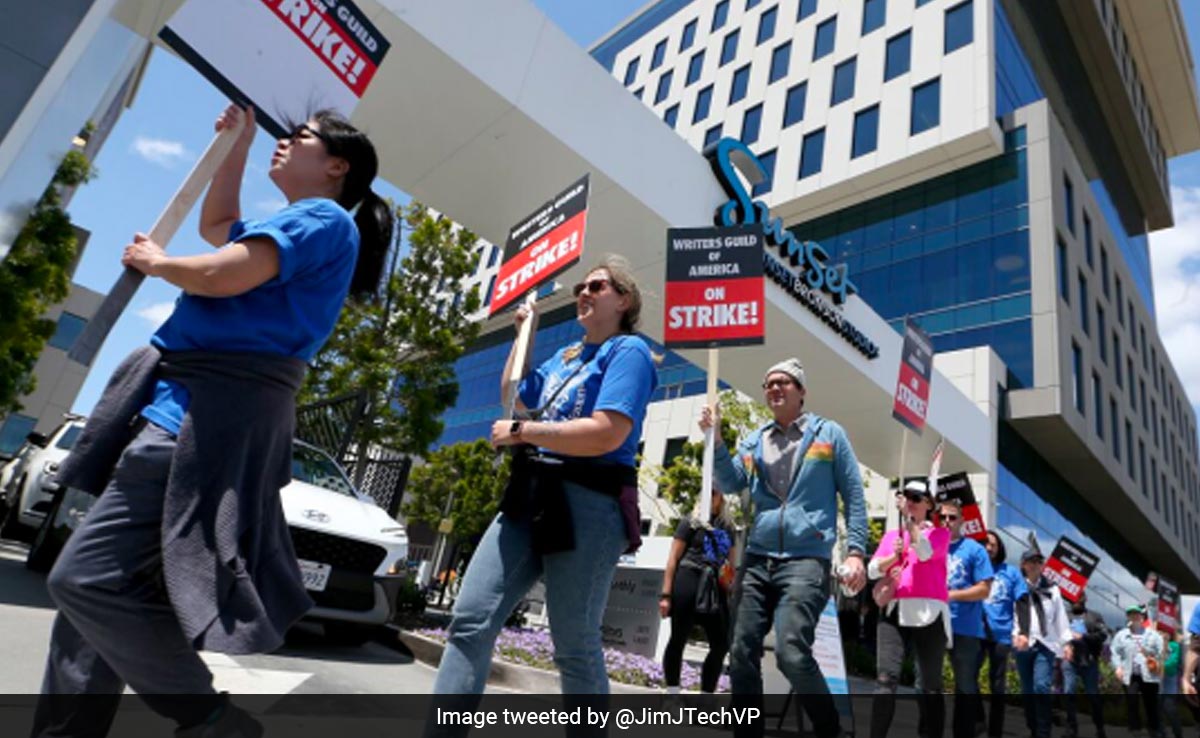
In New York on Thursday, actors joined writers on the picket lines.
"I feel sad and it is painful and it's necessary," said actress and SAG-AFTRA member Jennifer Van Dyck.
"They are making so much money, and they say that we are not approaching this issue fairly....
no one wants to go on strike, but there's just no way we can proceed." Actors and writers are demanding higher pay to counteract inflation, and guarantees for their future livelihoods.
In addition to salaries when they are actively working, actors earn payments called "residuals" every time a film or show they starred in is aired on network or cable.
But with the rise of streaming platforms like Netflix and Disney+, which do not disclose viewing figures for their shows, and offer the same flat rate for everything on their platforms, regardless of its popularity, actors are finding it harder to negotiate for fair pay.
Muddying the waters further is the issue of AI.
Both actors and writers want guarantees to regulate its use, but studios have refused to budge.
The last time the actors' union went on strike, in 1980, it lasted for more than three months.
This time around, the stakes are high and the outcome uncertain.
Only time will tell what impact the strike will have on the entertainment industry.
LONDON DAILY ARCHIVE
SAG-AFTRA Actors' Strike: A Look at the Last Time it Happened and What's at Stake Now
Hollywood is set to grind to a halt as the Screen Actors Guild (SAG-AFTRA) announced that nearly 160,000 actors, including A-list stars, will go on strike.
14 July 2023 · 00:10 UTC