London Daily

Focus on the big picture.
Saturday, Jun 27, 2026

Russia could take 10 years to recover from sanctions, says boss of country's largest bank

Russia could take 10 years to recover from sanctions, says boss of country's largest bank

The most severe package of sanctions placed on any country in the modern era could relegate Russia to a lagging economy for years to come.

Russia's economy may take a decade to recover from the crushing sanctions placed on the country following its invasion of Ukraine, according to a top banking executive.

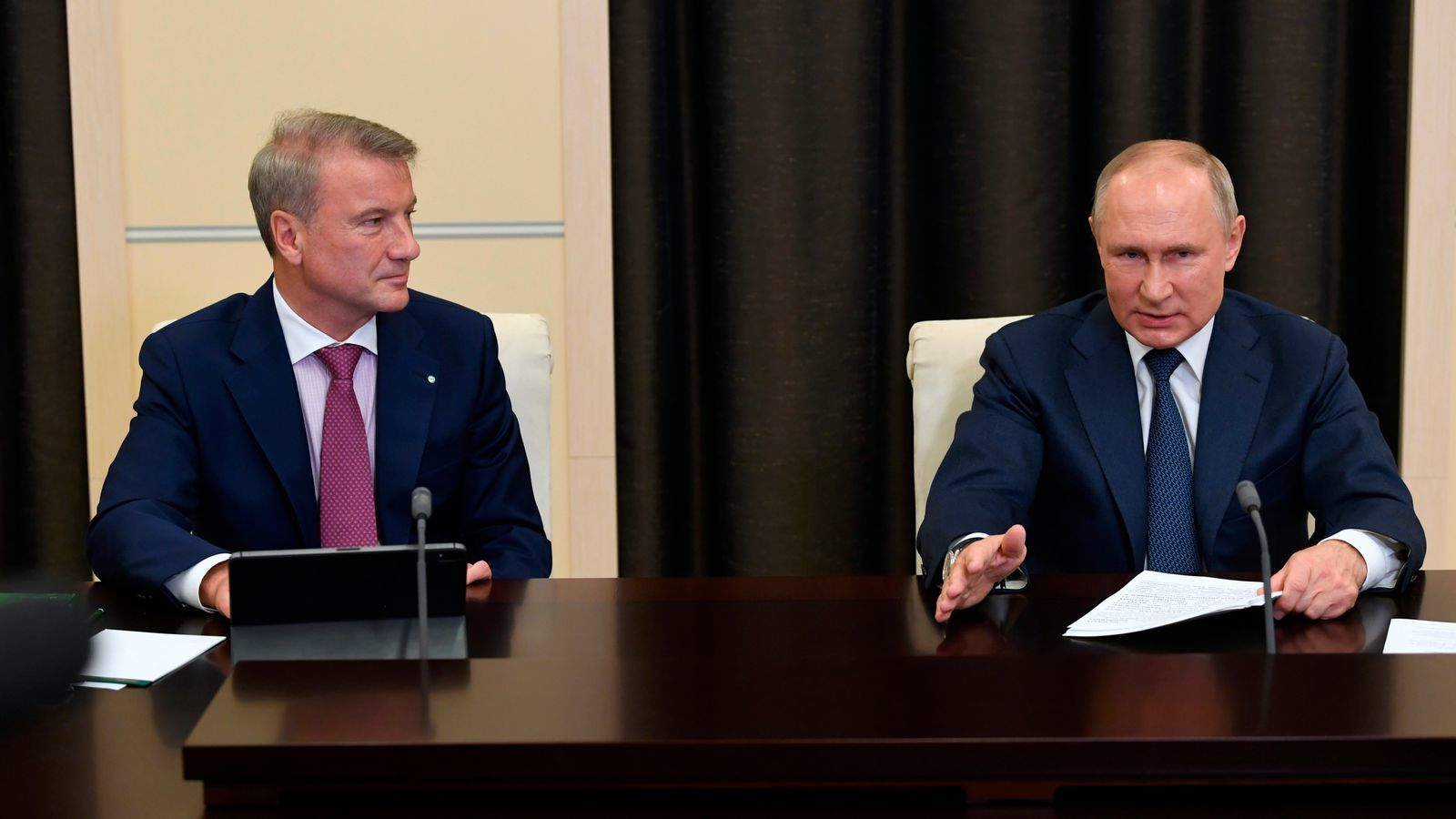
Returning to pre-sanctions levels could take nearly 10 years as the nation remains cut off from half of its trade, said German Gref, the boss of Sberbank, Russia's largest bank.

Mr Gref estimated the countries who have severed ties with Russia were responsible for 56% of its exports and 51% of its imports, crippling the economy.

"This is a threat to 15% of the country's gross domestic product, the bulk of the economy is under the fire," said chief executive Mr Gref, speaking at Russia's annual international economic forum in St Petersburg.

Dozens of multinational corporations pulled out of Russia in the wake of its invasion of Ukraine in February, while a large group of countries cut off Russia's access to the international financial network and seized properties, yachts, and private jets belonging to allies of President Vladimir Putin.

The economic isolation imposed on Russia caused the stock market and the rouble to crash, the cost of household items to soar, and pushed the government to introduce strict capital controls.

Russia's central bank also lifted the interest rate from 9.5% to 20%, before reducing it again in June.

As a result of sanctions, and "if we do nothing - we may need around a decade to return economy to the 2021 levels", Mr Gref said.

The chief executive also called for structural reforms to the Russian economy.

Russia has suffered from having its key logistics arteries severed - Russian ships were banned from entering European Union ports, while sanctions closed the airspace over Europe to Russian airlines.

According to Mr Gref, cargo shipments have fallen by six times.

In May, Britain announced fresh sanctions targeting £1.7bn worth of trade with Russia in a bid to "further weaken Putin's war machine".

They include sharply higher tariffs on £1.4bn worth of imports from Russia and bans on exports to the country that are worth £250m a year.

The measures, announced by Chancellor Rishi Sunak and Trade Secretary Anne-Marie Trevelyan, mean the total value of products subject to full or partial import or export sanctions since the invasion of Ukraine is more than £4bn.

The EU also recently announced plans to halt its purchases of Russian oil and gas, which is currently raising more than $1bn a day for the embattled country.

Comments

Oh ya 4 year ago
Sorry for the truth but the rouble is worth more now than before the sanctions. But yes it will cost Russia something but they have very little out of country debt, they have the natural resources and lots of grains to eat.. Think about this. When you own natural resources you have a product that you can do something with, then the central banks of the world print money out of thin air that have nothing backing the value of those dollars and want to trade you for some of your natural resources, so you get a dollar backed by a bankrupt government. That is not a good trade for natural resources. The EU will find out this winter just what keeps the house warm and fist full of Euros or Russian natural gas

Newsletter

Related Articles

0:00
0:00
Close
Thames Water and Energy Operators Warn of Peak Demand Risks During UK Heatwave
Government Conference Highlights Push for Evidence-Led Policy Across UK Public Sector
Insolvency Service Reports Improved Confidence in UK Insolvency System
Security Industry Authority Finds Widespread Safety Failures in UK Night-Time Economy
Nigel Farage Expands Anti-WHO Campaign Into United States With New Lobbying Structure
Home Secretary Seema Mahmood Unveils New Safe Routes Plan for Asylum Seekers
UK Government Warns of Peak Electricity and Water Pressure Amid Ongoing Heatwave
New Nuclear Plant in Wales Named Gwyndod Power Station as Energy Strategy Advances
UK Announces First Major Hydropower Projects in Four Decades to Expand Renewable Capacity
Thirteen Men Charged in Major UK Sexual Abuse Case as Investigation Continues
UK Launches Cross-Sector Climate Security Taskforce Linking Environment and National Security
UN Secretary-General António Guterres Calls for Urgent Global Methane Emissions Cuts in London
World Bank Approves $1 Billion UK-Backed Financing Package for Ukraine Recovery
UK Pledges Emergency Aid and Rescue Team Deployment to Earthquake-Hit Venezuela
Bank of England Holds Interest Rates at 3.75 Percent for Fourth Straight Meeting
Record-Breaking Heatwave Puts Strain on UK Health Services and Energy Networks
London Ambulance Service Sees Record Emergency Demand as Heatwave Intensifies
British Chambers of Commerce Warns of Prolonged Weak Investment Climate Through 2027
Bank of England Holds Interest Rates as Inflation Risks Persist
UK Construction Sector Faces One Percent Contraction Amid Cost and Investment Pressures
Former DUP Leader Sir Jeffrey Donaldson Convicted of Sexual Offences
Church of England Appoints Dr Linsay Cunningham to Lead Faith and Public Life Division
UK Armed Forces Day Marked Nationwide With Events From Aberdeen to the Scilly Isles
Rising Tensions in Edinburgh Prompt Joint Warning From Scottish Local Government Leaders
UK Construction Sector Forecast to Contract One Percent in 2026 on Cost Pressures
UK Parliament Backs 87 Percent Emissions Cut as Government Deepens Electrification Drive
British Chambers of Commerce Forecast Weak UK Growth as Investment and Demand Slow
Bank of England Holds Interest Rates at 3.75 Percent Amid Energy and Inflation Uncertainty
London Ambulance Service Reports Record Surge in Life-Threatening Emergency Calls During Heatwave
UK Parliament Approves Legally Binding 87 Percent Emissions Cut Target by 2040
United Kingdom Records Third Consecutive Day of Record June Heat as Europe Faces Worsening Heatwave
Robert Jenrick Defends £5 Million Donation to Nigel Farage Amid Political Scrutiny
Plymouth Museum The Box Wins 2026 Art Fund Museum of the Year Award
UK Government Faces Backlash Over Plans to Use Former Military Sites for Asylum Accommodation
Labour Party Faces Pressure Over Cabinet Stability as Senior Figures Clash on Policy Direction
Heathrow Airport Forecasts Passenger Decline in 2026 as Costs and Climate Disruption Mount
UK Energy Regulator Approves Expansion of Long-Duration Storage to Boost Power System Resilience
Crown Estate Reports Third Consecutive Year of £1 Billion Profit as Debate Over Royal Finances Intensifies
Teenager Charged With Murder in Wales Following Death of 14-Year-Old Boy
Nottingham University Hospitals Maternity Failures Trigger Calls for Public Inquiry Into Patient Safety
EasyJet Rejects £4.9 Billion Takeover Offer From Castlelake but Keeps Door Open for Further Talks
Record Heatwave Triggers UK Transport and Infrastructure Strain as Heathrow Revises Passenger Forecast Downward
Ofgem Approves Sixteen Long-Duration Energy Storage Projects to Strengthen UK Grid Stability
Labour Government Faces Internal Tensions Over Cabinet Decisions and Net Zero Policy Direction
British Food and Drink Exports Fall to Decade Low Amid Trade Friction and US Tariffs
Great Britain Grid Operator Spends £10 Million to Stabilize Electricity Supply During Heatwave Demand Surge
UK Parliament Committee Calls for Urgent National Adaptation Strategy as Extreme Heat Strains Public Infrastructure
Record-Breaking Heatwave Pushes England’s National Health Service to Critical Incident Status as Hospitals Struggle With Surge in Emergencies
UK Government Launches Review of Voluntary National Insurance Contributions System
UK Planning Inspectorate Reports Key Infrastructure and Planning Milestones in Annual Review
×