LONDON DAILY ARCHIVE
The UK and France are working together with Ukraine to find a solution to the conflict with Russia.
Prime Minister Keir Starmer reveals initiatives aimed at a collaborative approach to halt hostilities as European leaders gather in London in response to escalating tensions in U.S.-Ukraine relations.
06 March 2025 · 00:34 UTC
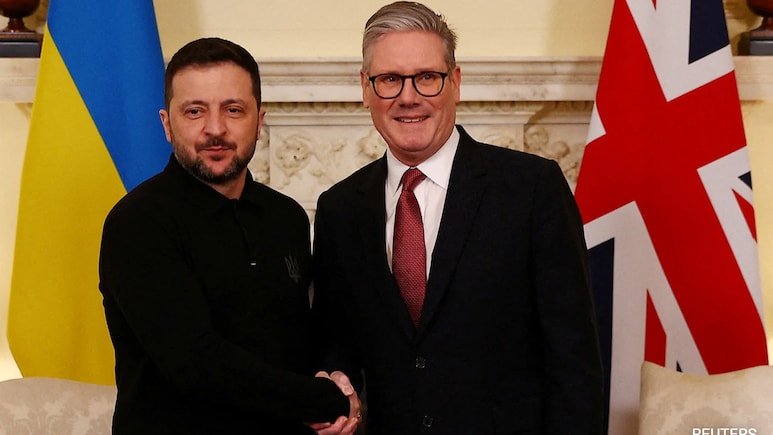
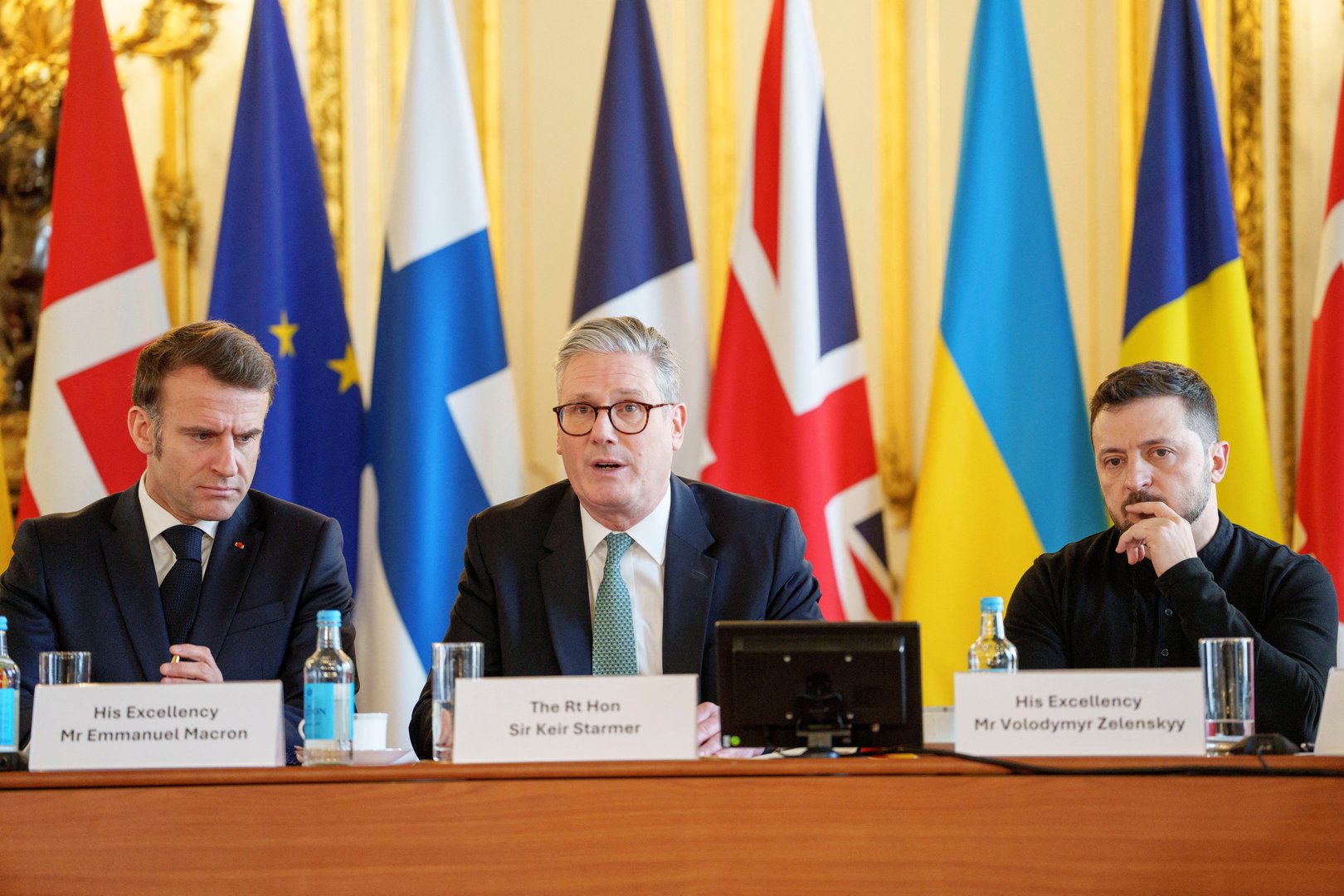
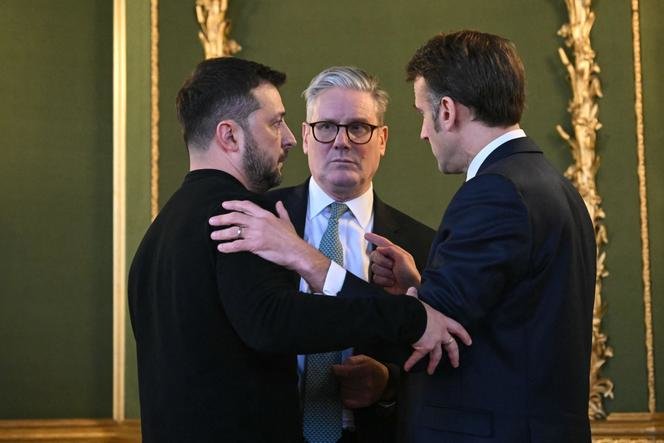
This declaration came as European leaders convened in London for a summit dedicated to addressing the ongoing conflict, which has persisted for three years, following recent diplomatic tensions between Kyiv and Washington.
Starmer stressed the importance of joint international efforts, declaring that the ongoing violence is intolerable and that leaders must endeavor for a sustainable peace.
He mentioned that the UK and France, along with possibly other nations, are ready to collaborate directly with Ukraine on a plan, which will subsequently be put forward to the United States for consideration.
Italian Prime Minister Giorgia Meloni, who spoke alongside Starmer, underlined the necessity of maintaining Western unity to avoid divisions that could impede their support for Ukraine.
Amid uncertainties regarding U.S. support, Ukraine's allies reaffirmed their dedication to backing the nation despite internal political factors in the U.S. that might affect assistance for Kyiv.
Starmer’s welcoming of Ukrainian President Volodymyr Zelensky in London followed Zelensky's troubled meeting in Washington, where differences over proposed ceasefire terms were publicly discussed.
The London summit includes senior officials from various European nations, such as France, Germany, Denmark, and Italy, in addition to representatives from NATO and the European Union.
Debates are anticipated to focus on strengthening European defense cooperation, especially in response to concerns regarding potential changes in U.S. involvement in NATO.
Polish Prime Minister Donald Tusk remarked that Poland intends to utilize its strong relationship with Washington to advocate for a more favorable approach towards Ukraine from the U.S. administration.
NATO Secretary General Mark Rutte expressed confidence that Europe would increase its defense expenditures in light of current security threats, asserting that all European countries must do more.
In addition to attending the security summit, Zelensky is also scheduled to meet with King Charles III.
Upon his arrival in London, he received a warm welcome from a crowd of supporters.
During their bilateral talks, Starmer expressed appreciation for Zelensky's visit and reiterated the UK’s commitment to assisting Ukraine.
The leaders explored strategies for achieving a fair and enduring peace, while also announcing a loan agreement totaling £2.26 billion ($2.84 billion) aimed at bolstering Ukraine’s defense capabilities, which will be repaid using proceeds from seized Russian assets.
Zelensky’s trip to London followed a challenging meeting with U.S. President Donald Trump, who publicly criticized the Ukrainian leader and dismissed certain ceasefire proposals during their White House discussions.
In the aftermath, Zelensky highlighted the significance of maintaining robust ties with the United States.
During his engagements, Zelensky accentuated the need for transparency and authenticity in negotiations to reach shared goals, reaffirming that despite strained relations, Ukraine and the U.S. continue to be strategic allies.
The session in the Oval Office, marked by tense exchanges, has raised concerns among European allies regarding the ramifications of shifts in U.S. foreign policy under the Trump administration.
Germany’s Foreign Minister Annalena Baerbock denounced Trump’s comments, implying they misrepresented the reality of the conflict's victim and aggressor.
Meanwhile, the Kremlin viewed Zelensky's U.S. visit as a failure, indicating that the evolving changes in U.S. foreign policy align with Moscow’s interests.