LONDON DAILY ARCHIVE
Rishi Sunak Defeats Conservative Rebels as MPs Approve Rwanda Bill
Rishi Sunak successfully steered his Rwanda immigration bill through the House of Commons despite potential dissent within his Conservative Party.
18 January 2024 · 07:44 UTC
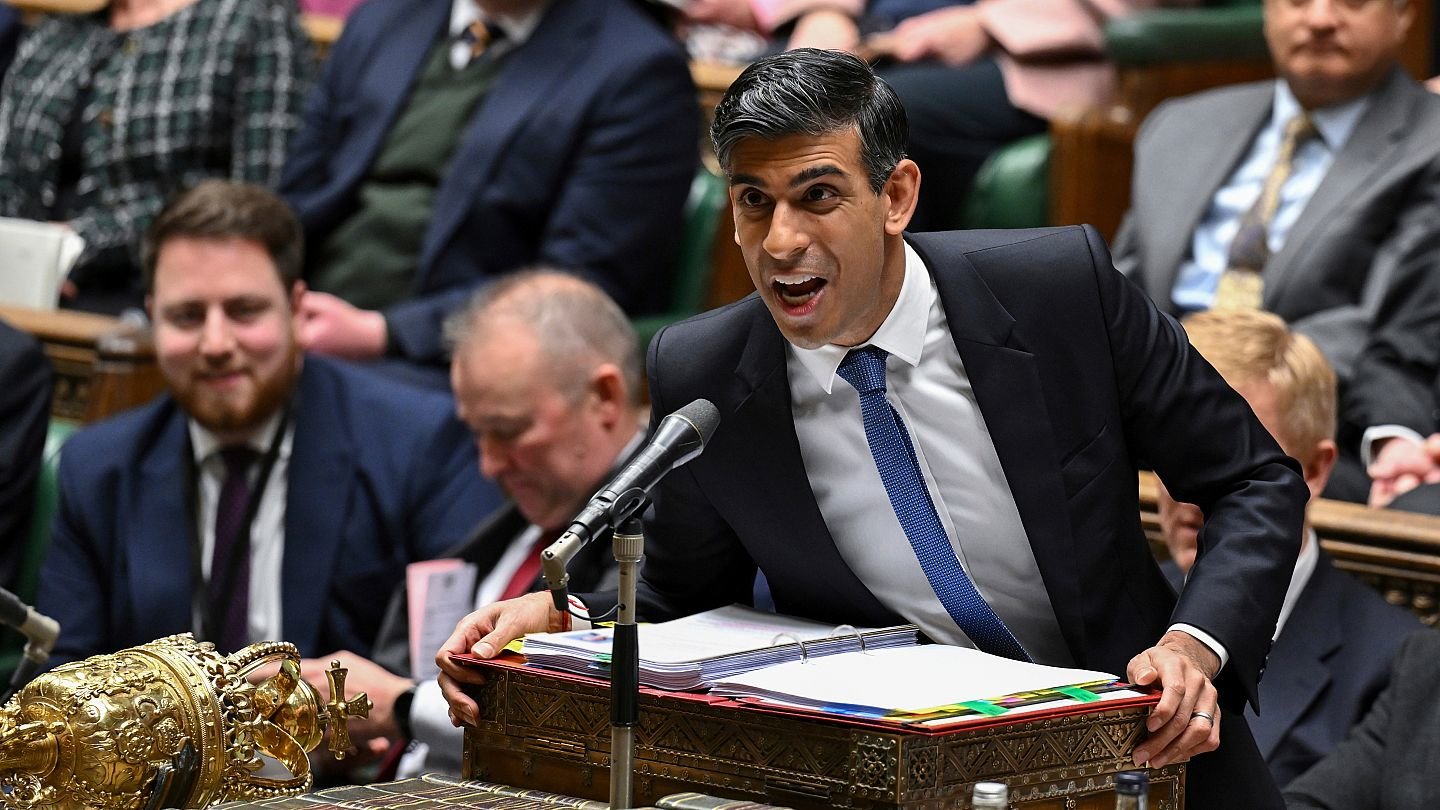

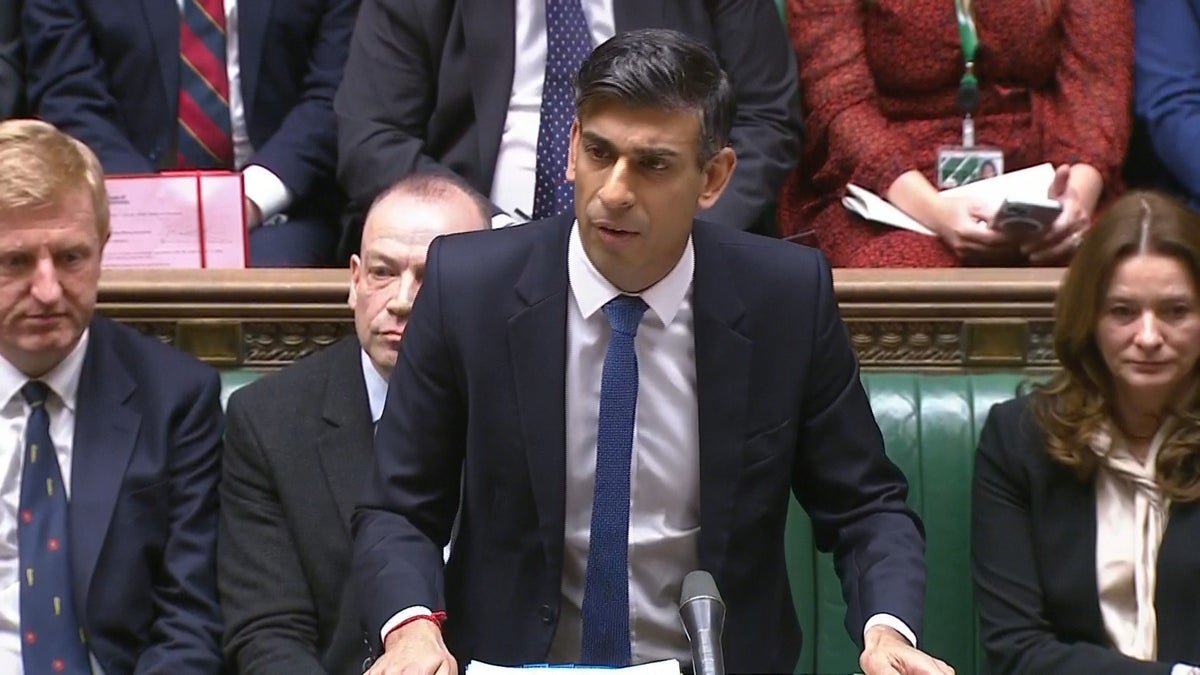






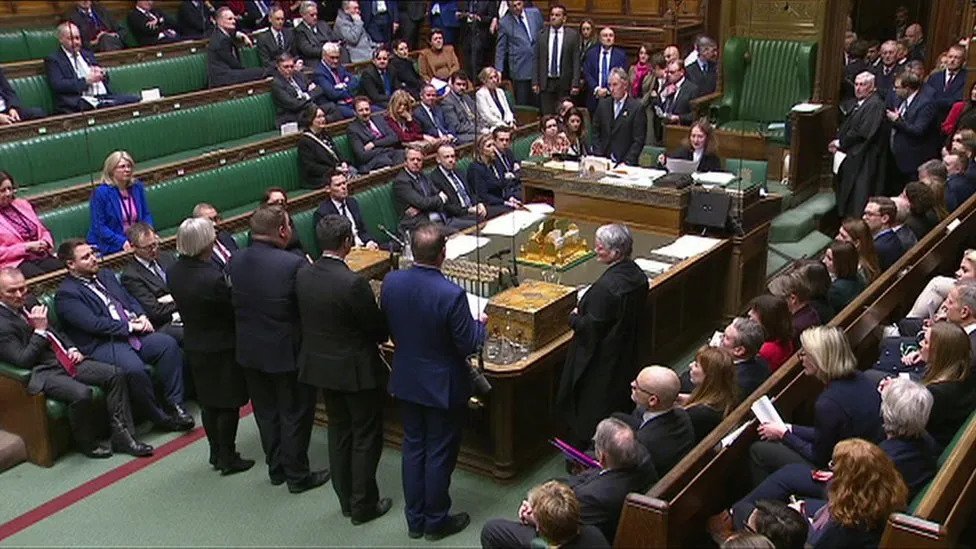





Initially, concerns among Conservative MPs seemed to suggest a significant revolt; however, only 11 ultimately dissented.
Now, the bill will face challenges in the House of Lords. Sunak contends that the deportation policy will deter migrants from dangerous Channel crossings, while the opposition Labour Party criticizes the motion as an ineffective and costly gesture.
As debates unfolded, Conservative MPs including Robert Jenrick attempted to modify the bill to avoid legal obstructions and to allow the government to disregard certain human rights legalities.
While Jenrick's proposed amendments failed to pass, they did garner support from a notable segment of Conservative MPs.
The bill’s survival strengthens the Prime Minister's position, although it garnered considerable pushback, including from Labour, who questioned the policy's feasibility and legality.
Home Secretary James Cleverly supported the bill, presenting it as a clear message against illegal entry into the UK and a solution to perpetual legal battles.
Conservative Party divisions were spotlighted as two deputy chairmen resigned to support the proposed amendments, highlighting the internal debate of the issue.
As proceedings continue, the House of Lords is expected to offer substantial resistance to the bill. Minister Tom Pursglove expressed hope for a swift passage, while former minister Jacob Rees-Mogg acknowledged practical obstacles like the likelihood of deportation flights occurring before upcoming elections.
Globally, at the Davos conference, Rwanda's President Paul Kagame indicated a willingness to refund the £240 million already received from the UK if no deportations occurred, despite his spokesperson noting no obligation for a refund existed.
Amidst this, Downing Street had to clarify it wasn't intending to alter Civil Service guidelines in relation to the European Court of Human Rights, after conflicting statements from government officials about whether the Code would be rewritten to prioritize ministerial decisions over court rulings.