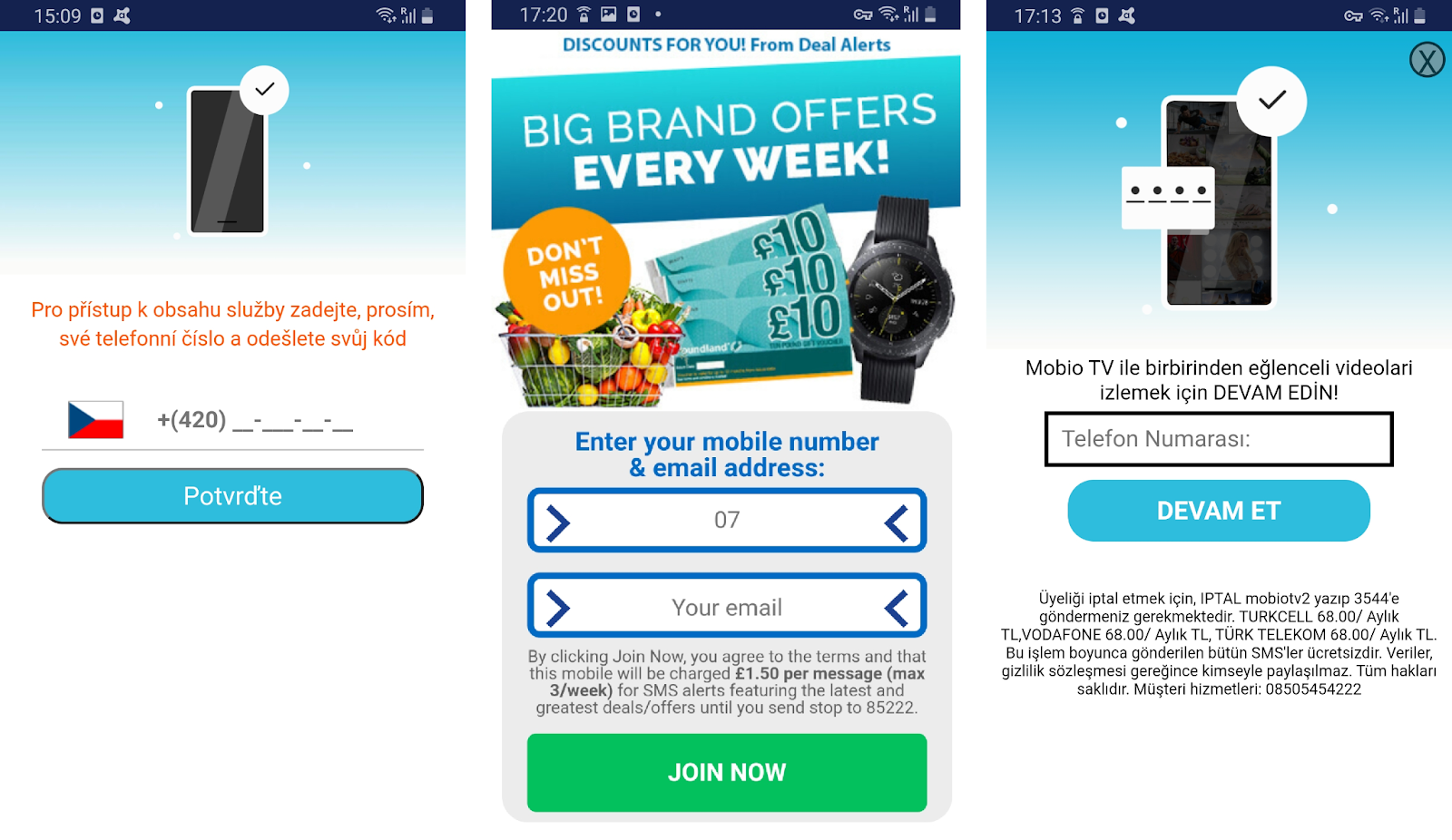
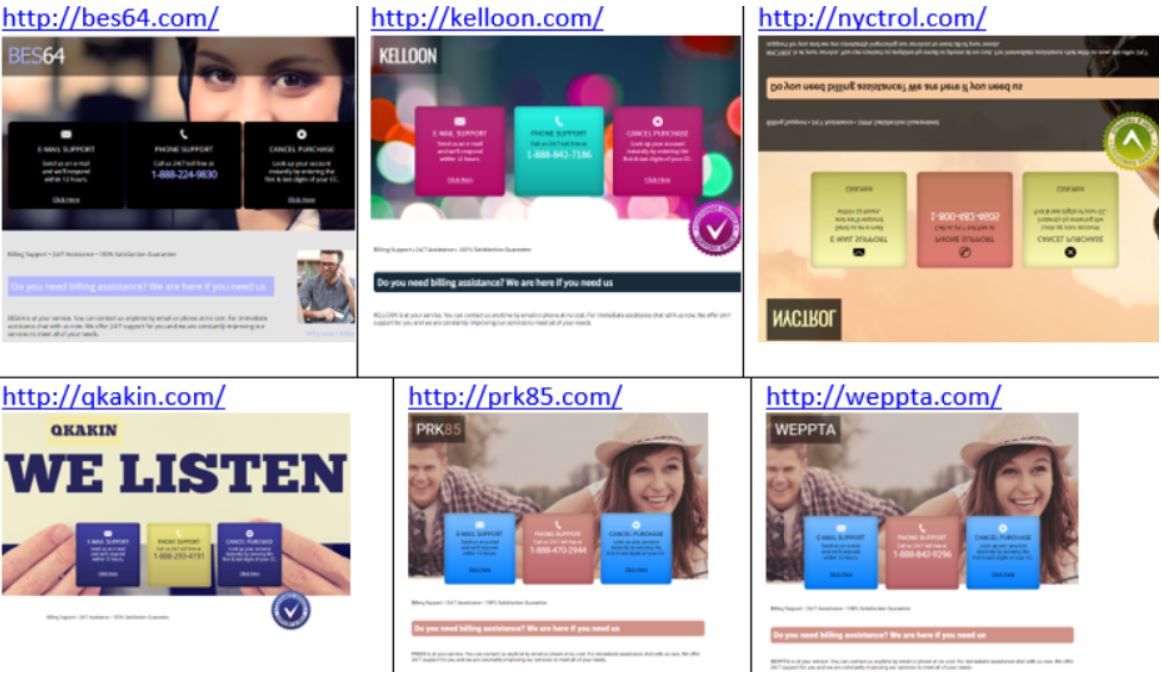

Such stories are far from rare; the Citizens Advice Bureau (CAB), a consumer watchdog charity, estimates that each year, unused subscriptions drain hundreds of millions of pounds from consumers’ pockets. A recent survey conducted by the CAB attributed most of these unnecessary expenditures to automatic renewals.
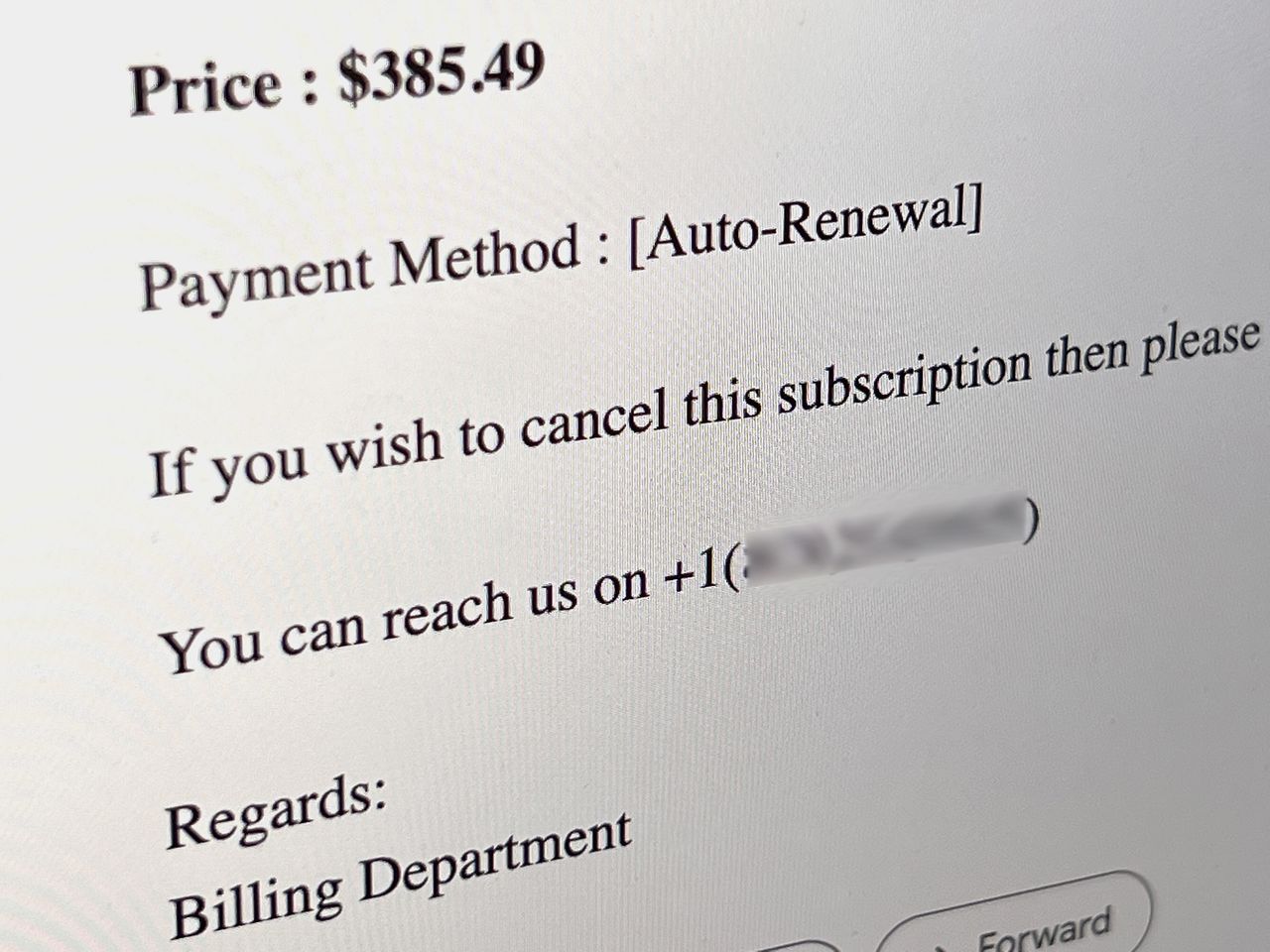
This insidious phenomenon, commonly referred to as the 'subscription trap,' ensnares countless individuals who sign up for free trials but inadvertently forget to cancel before the auto-renewal. This leads to ongoing payments for services that are often left unused.
In response to this growing concern, the UK government is taking strides to rein in the tactics employed by major online retailers that inadvertently entangle people in subscriptions. The proposed legislative measures would mandate firms to dispatch "reminder notices" to consumers, ensuring they are cognizant of their active subscriptions.
However, not all stakeholders welcome these developments with open arms. Disney, for instance, accused the government of attempting to “micro-manage” subscriber interactions.
Across the Atlantic, US regulators are serving notice to corporations, warning that underhanded tactics, such as inconspicuous auto-enrollment notices, are in violation of consumer protection laws. Recently, Amazon found itself in the crosshairs of regulators when the US government launched a lawsuit against the company. The suit alleges that Amazon surreptitiously enrolled customers in automatically renewing Prime subscriptions and created cumbersome cancellation processes. Amazon, however, has fervently rejected these allegations.
In the sprawling subscription landscape, which encompasses services ranging from food delivery to eyewear, free trials and discounts are often leveraged to secure subscriptions. However, consumers frequently find themselves unwittingly locked in when they forget to terminate their subscriptions post-trial.
John, another unwitting subscriber, shared his experience with the BBC, expressing regret over spending £6.99 monthly for 18 months on Amazon Prime video, having forgotten to cancel after the free trial.
According to Claire Holubowskyj, a research analyst at Enders Analysis, auto-enrollment is an understandably attractive strategy for companies like Amazon. She explains that businesses can expand their consumer base by consistently enhancing their products or through subscriptions - the latter being a relatively effortless avenue.
Holubowskyj further sheds light on the shift in consumer behavior, which has normalized monthly payments for services, especially in the technology domain where continuous updates are embedded within subscription costs.
However, subscriptions are not inherently detrimental for consumers. Many companies conscientiously notify customers ahead of renewals, and subscriptions can offer consumers access to complimentary products or discounts.
In an endeavor to ensure fair consumer dealings, the UK government is pushing the Digital Markets, Competition, and Consumers Bill. Citizens Advice, however, opines that the proposed legislation should incorporate more stringent measures, such as an outright ban on auto-renewals. The organization advocates for a model that necessitates an opt-in approach following a free trial period.
Matthew Upton, the executive director of policy and advocacy at Citizens Advice, emphasized the necessity for reforms that alleviate financial burdens on consumers.
As consumers like John laud efforts to tighten controls on auto-renewals, there remains the apprehension of once again unwitting
ly falling into the subscription snare. For many, the ordeal proves not only financially taxing but emotionally draining, highlighting the imperative for enhanced consumer protections and corporate accountability.
Tips to Evade the Subscription Trap:
1. Be Informed: Know what you are signing up for, including the duration and costs associated.2. Set Reminders: If subscribing to a free trial, set a reminder to evaluate and potentially cancel the subscription before the trial ends.
3. Monitor Your Bank Account: Regularly scrutinize your accounts for unwanted subscription payments and contact the respective companies to cancel.