LONDON DAILY ARCHIVE
Public Sector Strike in Northern Ireland Causes Major Disruptions
Over 100,000 public sector workers in Northern Ireland, including teachers, nurses, and bus drivers, are striking, leading to significant disruptions.
18 January 2024 · 07:47 UTC
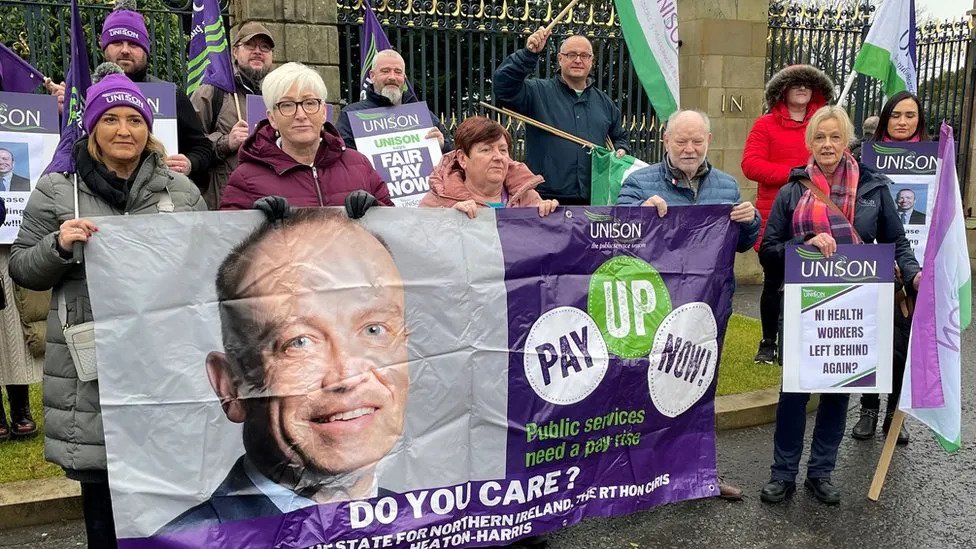
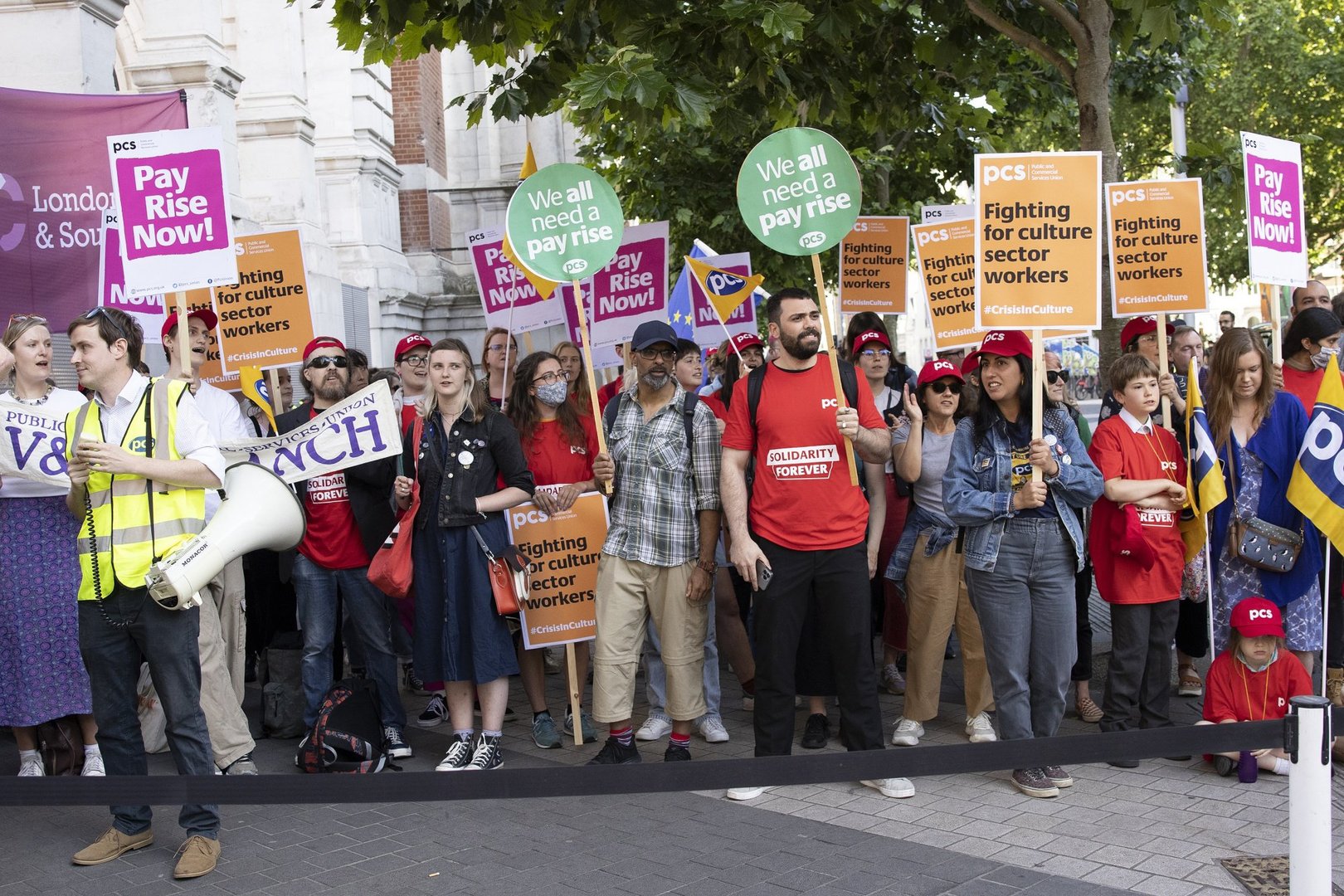
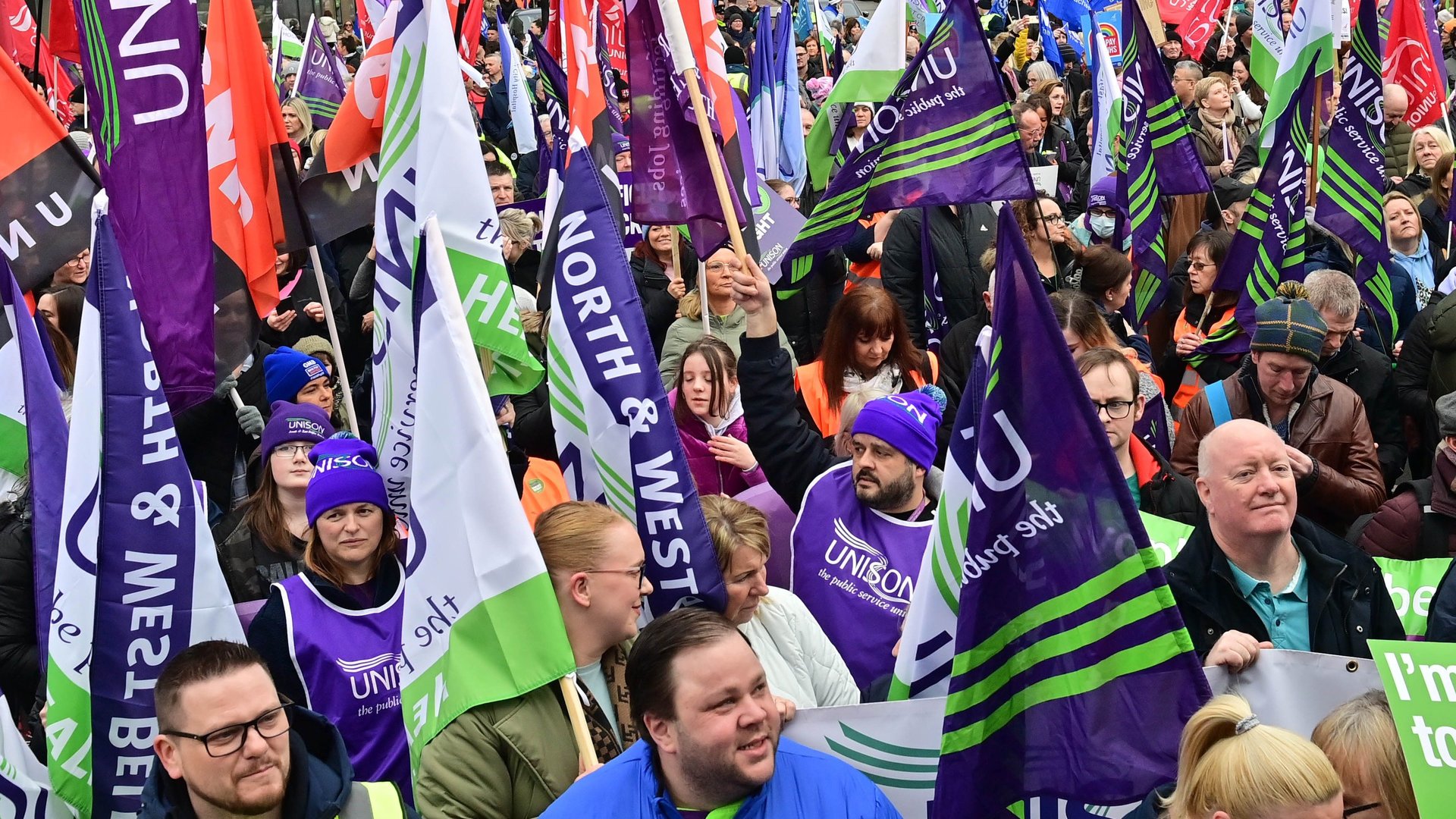

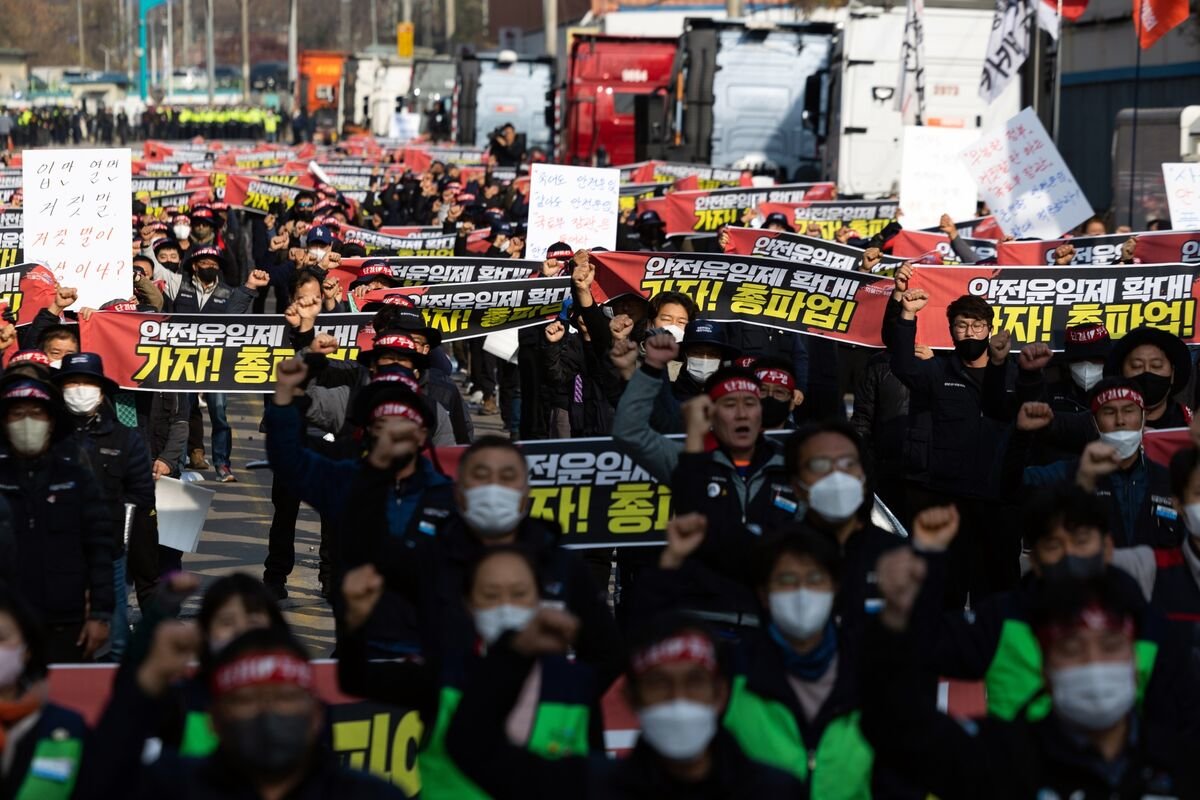
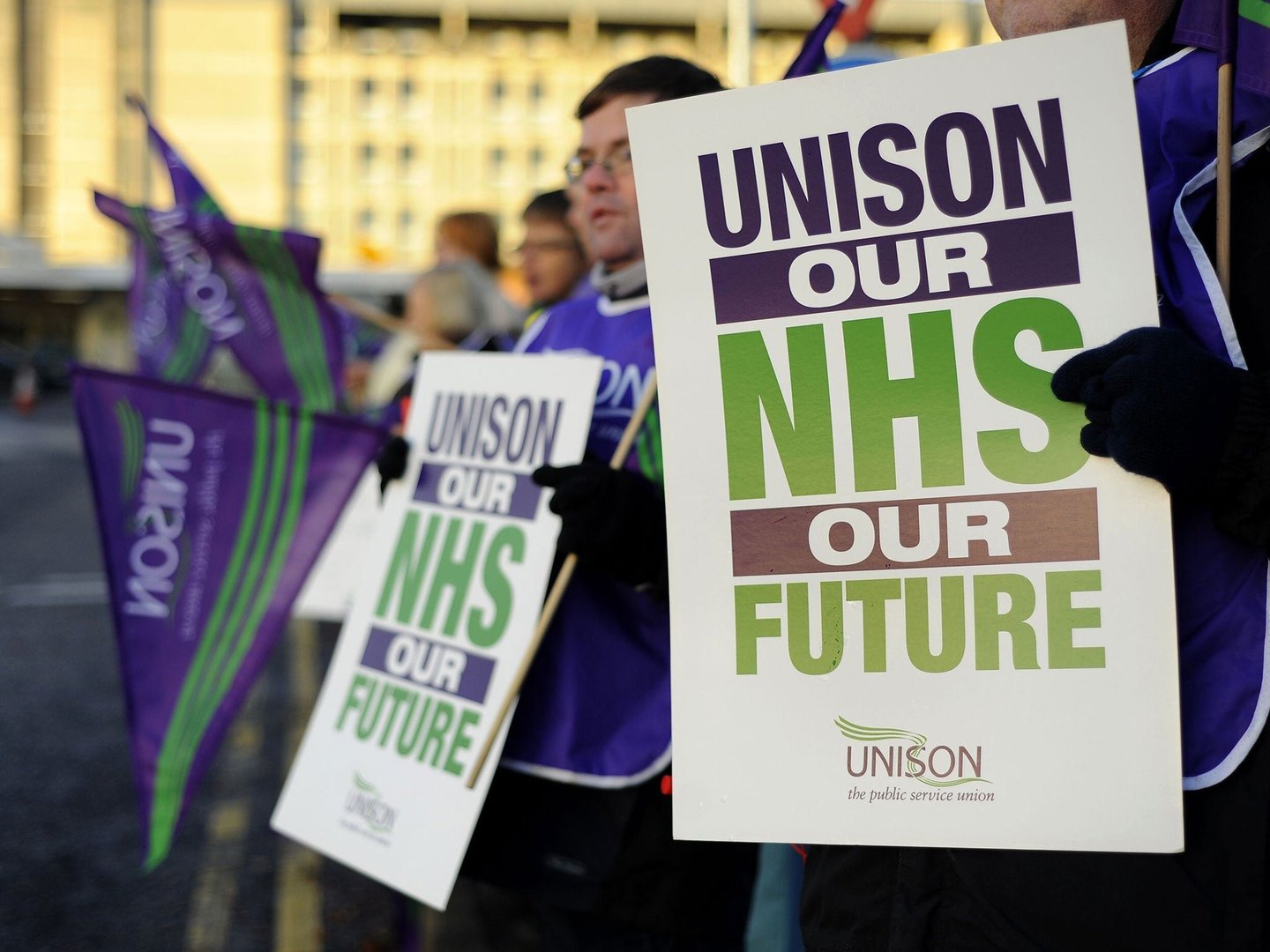
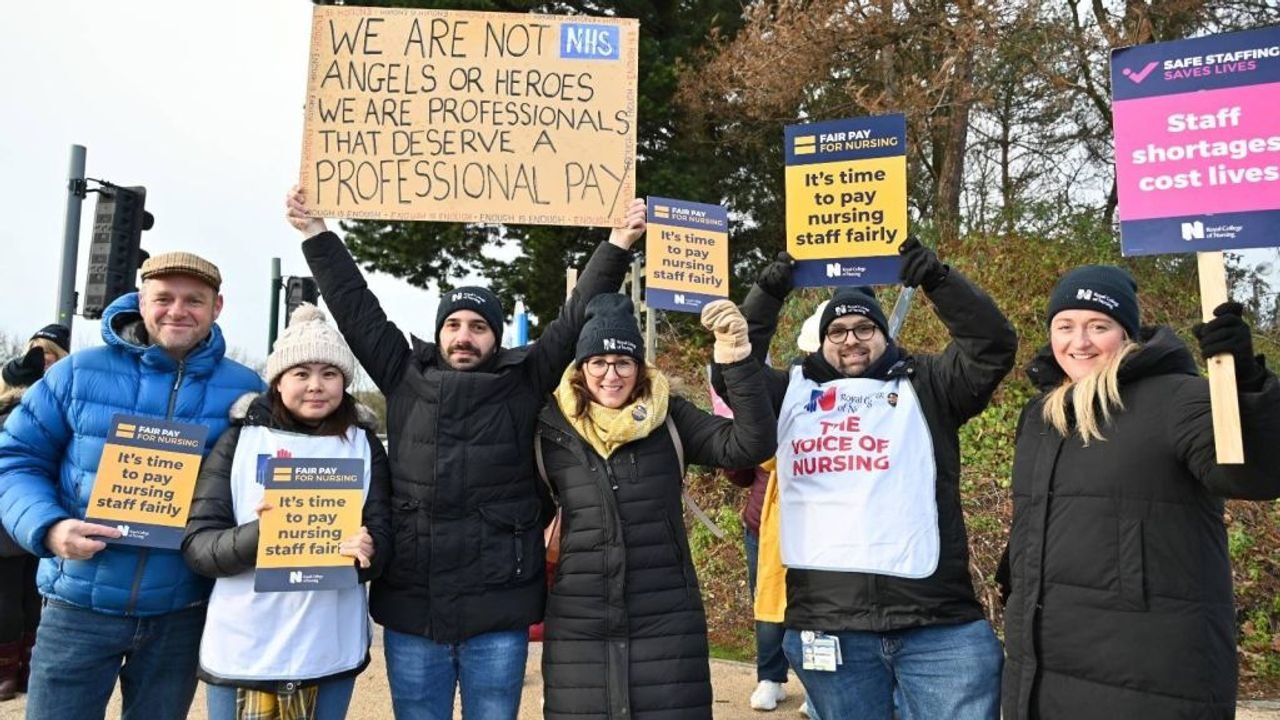
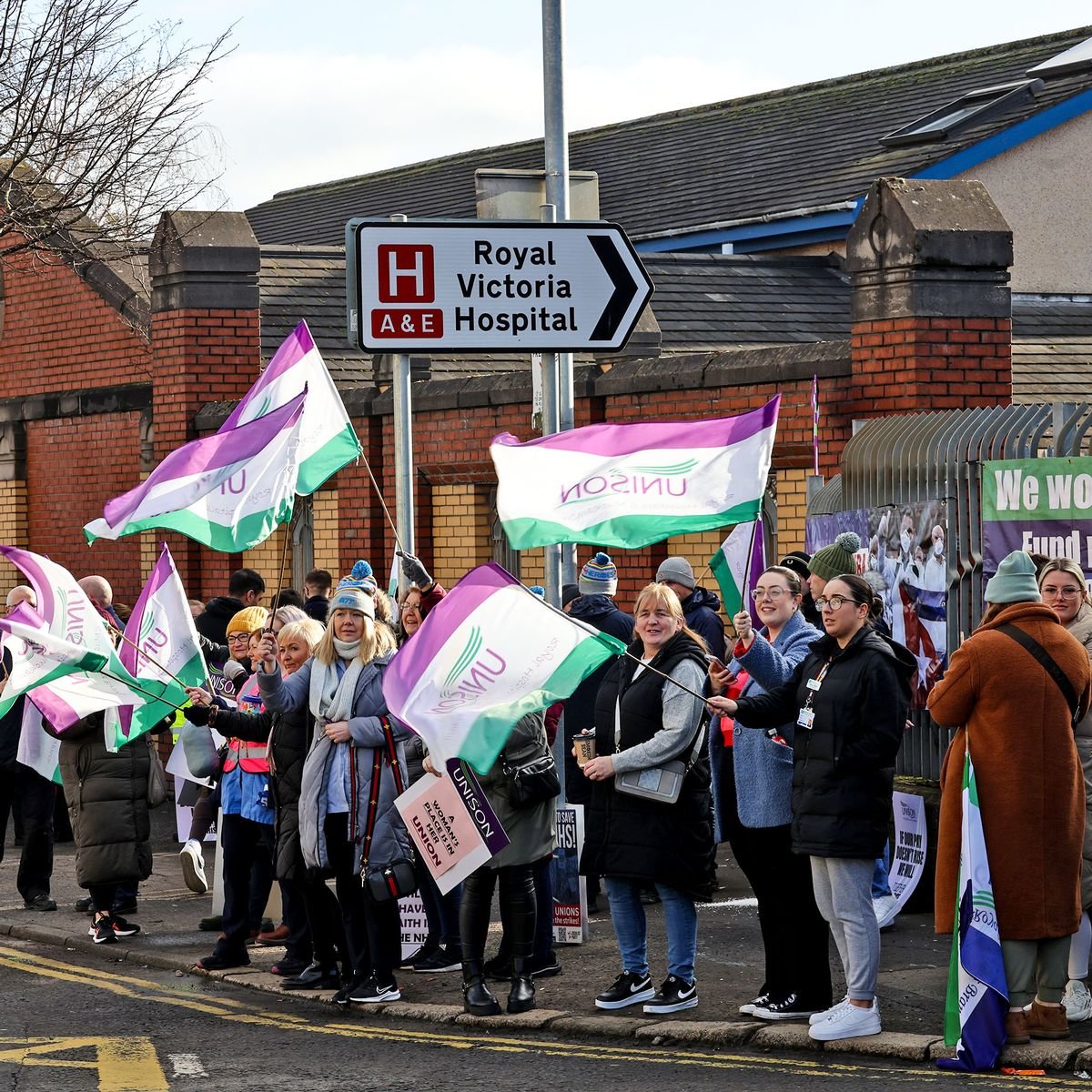
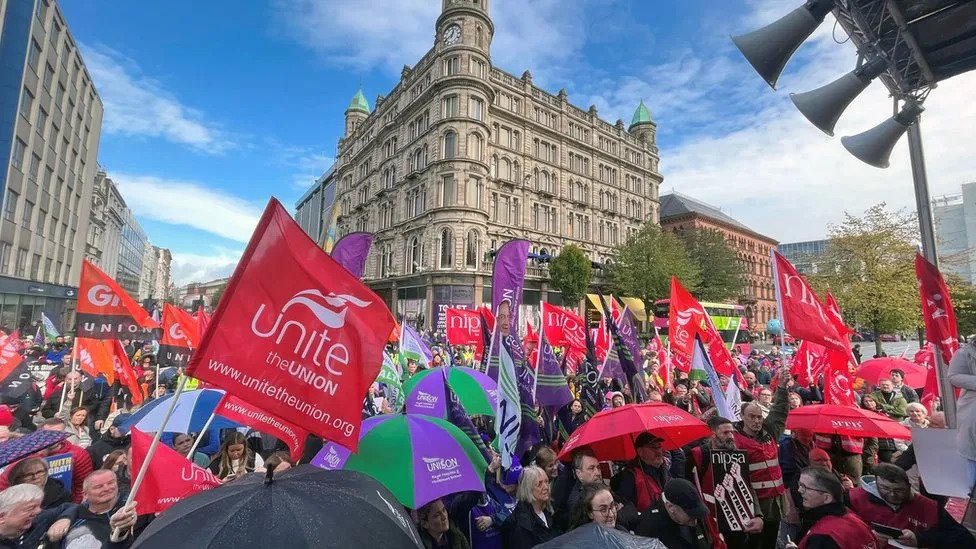
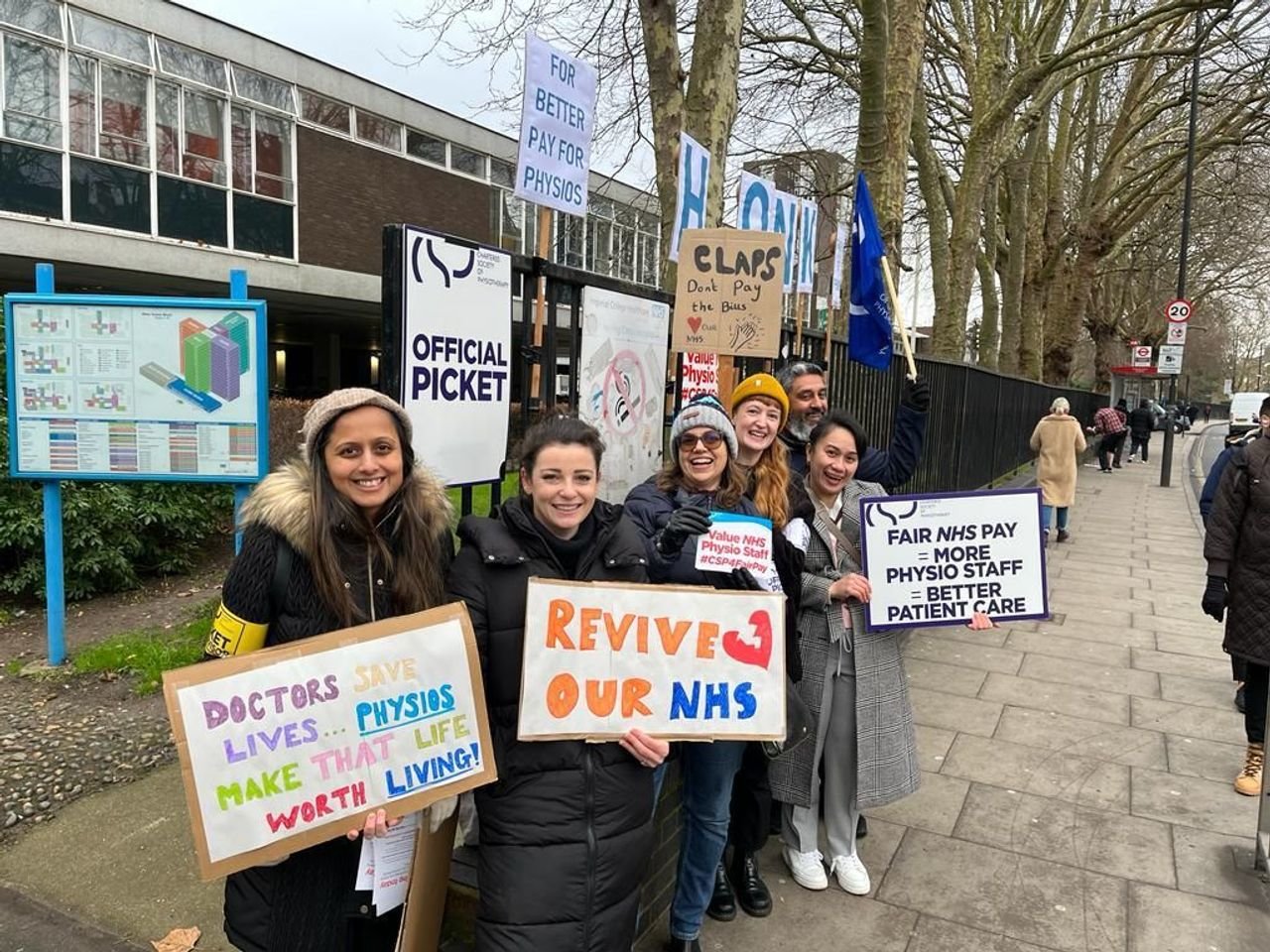
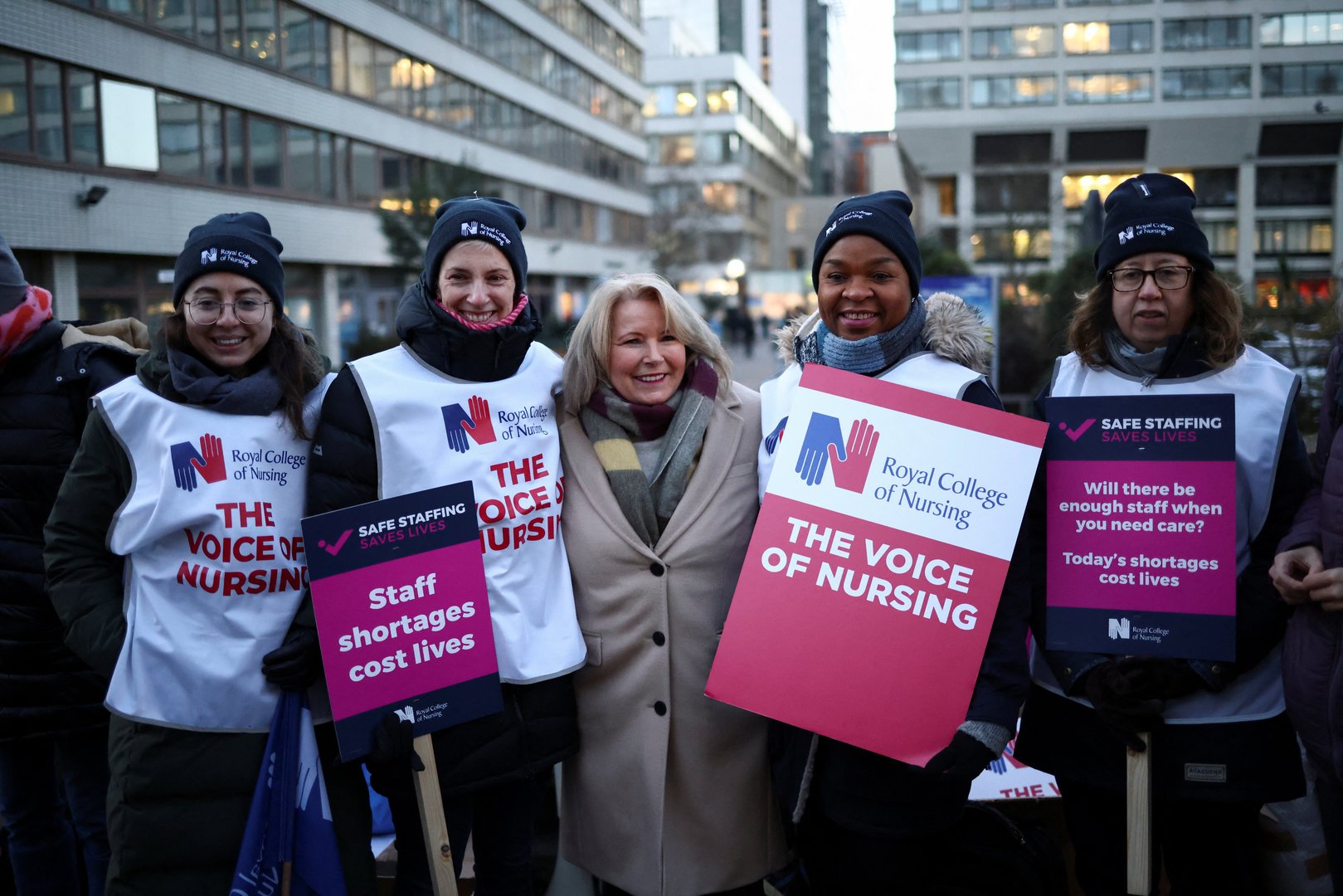
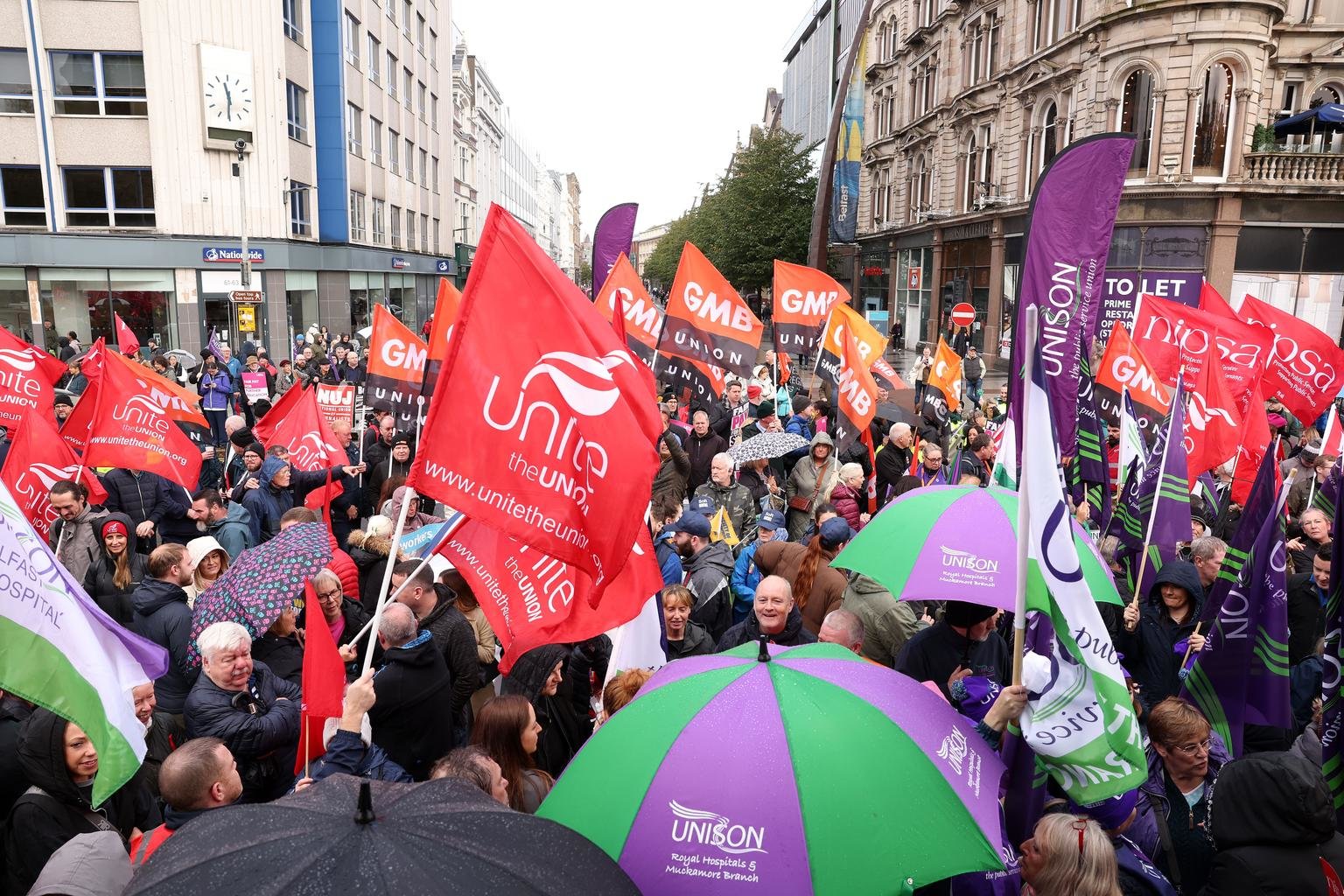
Public transportation will be suspended, schools shut, and health services drastically affected. There are scheduled rallies in several cities, and the public is urged to avoid non-essential travel and take precautions to not require medical services due to reduced healthcare operations.
This strike is part of a broader response to pay disagreements, with Northern Ireland's public sector workers earning less than their UK counterparts, compounded by the cost-of-living crisis and the absence of a government for nearly two years.
How the Strike Impacts Services:
- Health: Significantly reduced services; emergency care still accessible.
- Cancer treatments, including chemotherapy, and most scheduled hospital appointments, are cancelled.
- Dialysis services severely limited.
- GP services restricted to emergencies only.
- All bus and train services cancelled.
- Majority of schools closed.
- Limited road gritting amid icy conditions, increasing travel hazard.
- Courts and tribunals providing limited service.
Concerns Amid Strike:
Home care assistant Ashleen Quigley expresses anxiety about providing care without gritted roads, suggesting the strike be postponed due to severe weather.
Reasons Behind the Strike:
Northern Ireland's public sector salaries have not kept up with inflation, Stormont lacks funds, and the absence of local ministers prevents resource allocation. Some employees, like Translink staff, received no pay offer this year. The UK offered £584m to address pay issues, conditional on the return of Stormont's local government, but this is stalled by the DUP's boycott over post-Brexit trade rules. Unions argue workers are caught in the political deadlock and urge the release of funds, while the Northern Ireland Secretary maintains it's a devolved issue, linking financial intervention to direct Westminster governance.