LONDON DAILY ARCHIVE
Protests descending into mob rule, Rishi Sunak warns police
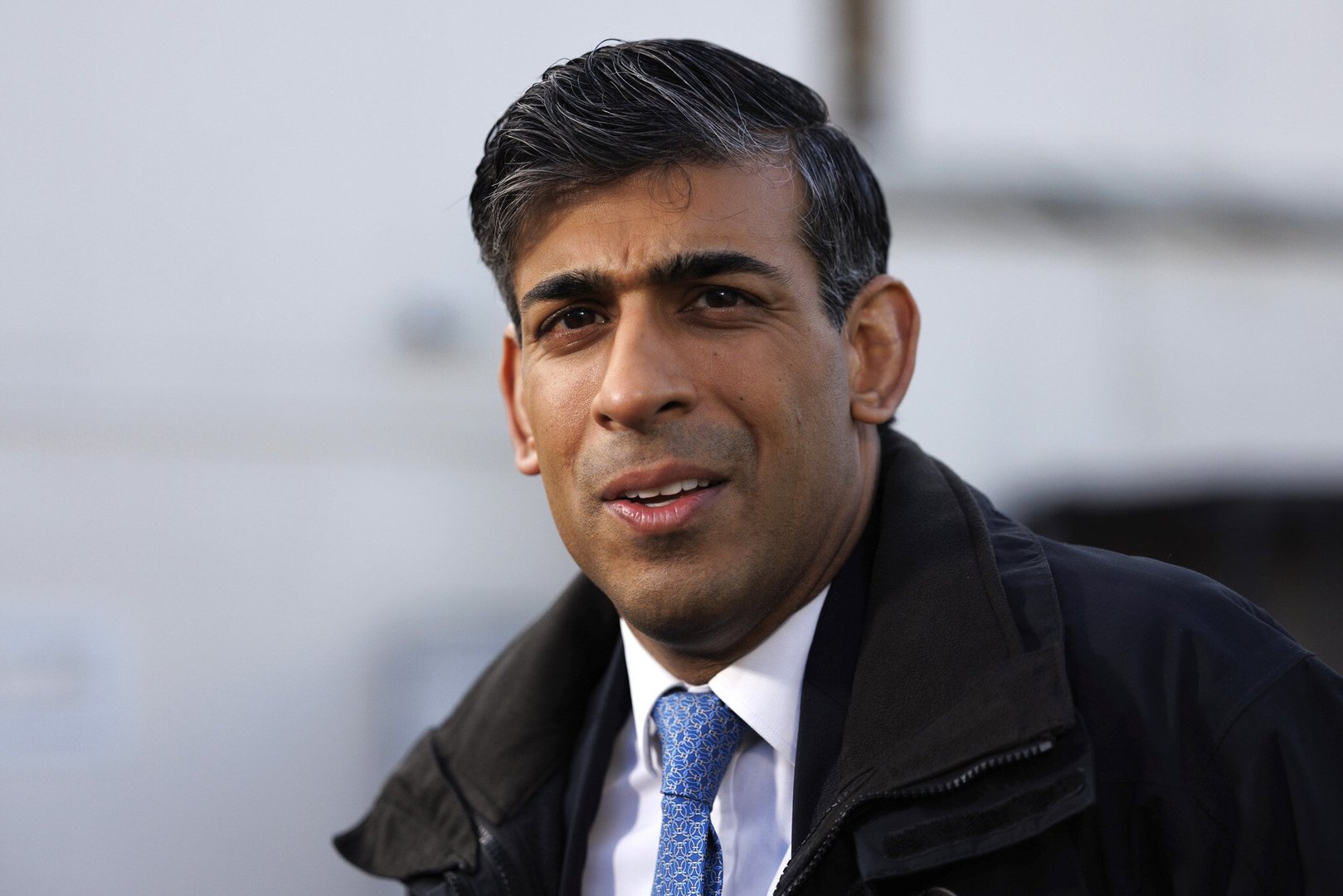
Prime Minister Rishi Sunak has called for stronger police action against what he describes as an increase in mob behavior undermining democracy.
29 February 2024 · 12:51 UTC

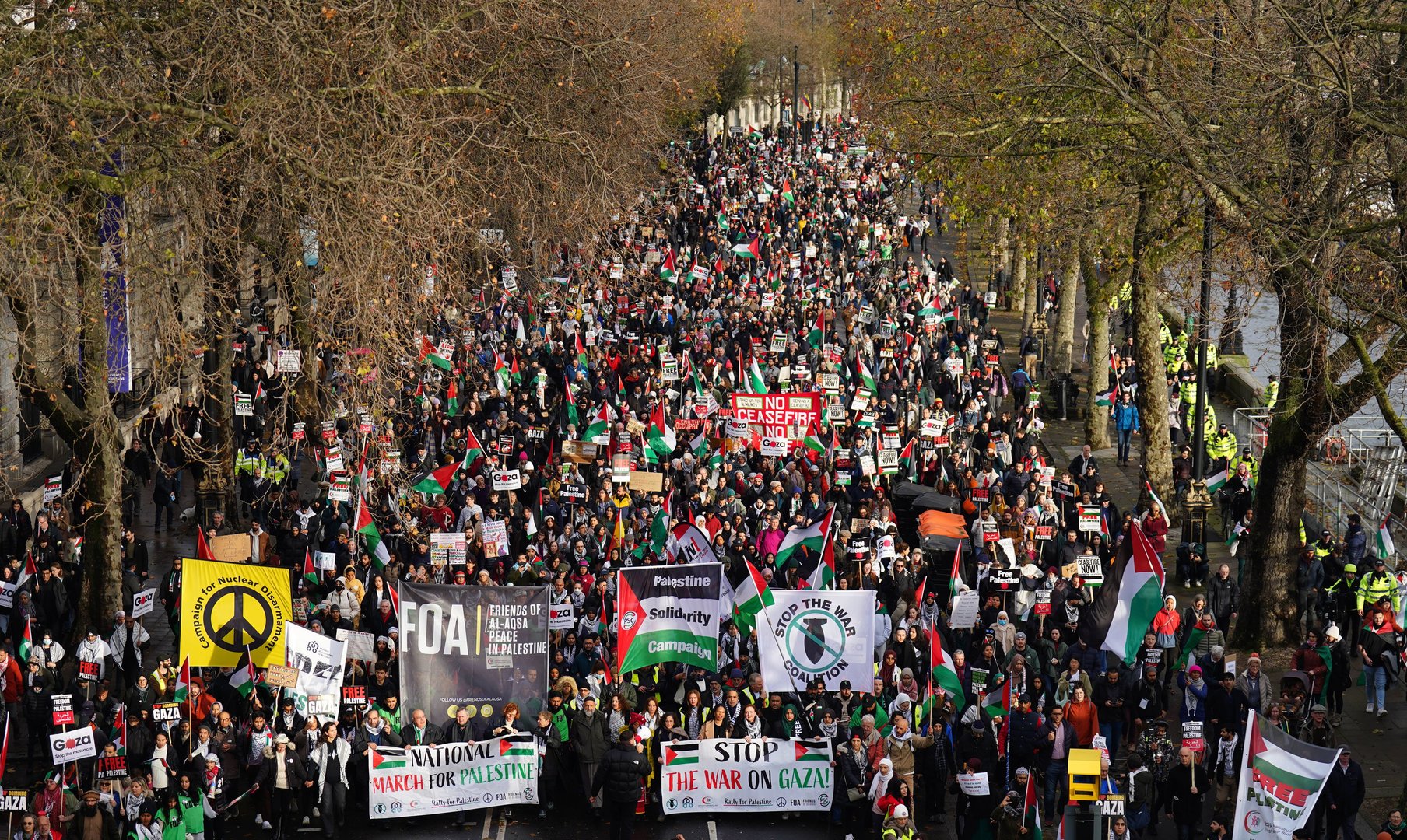
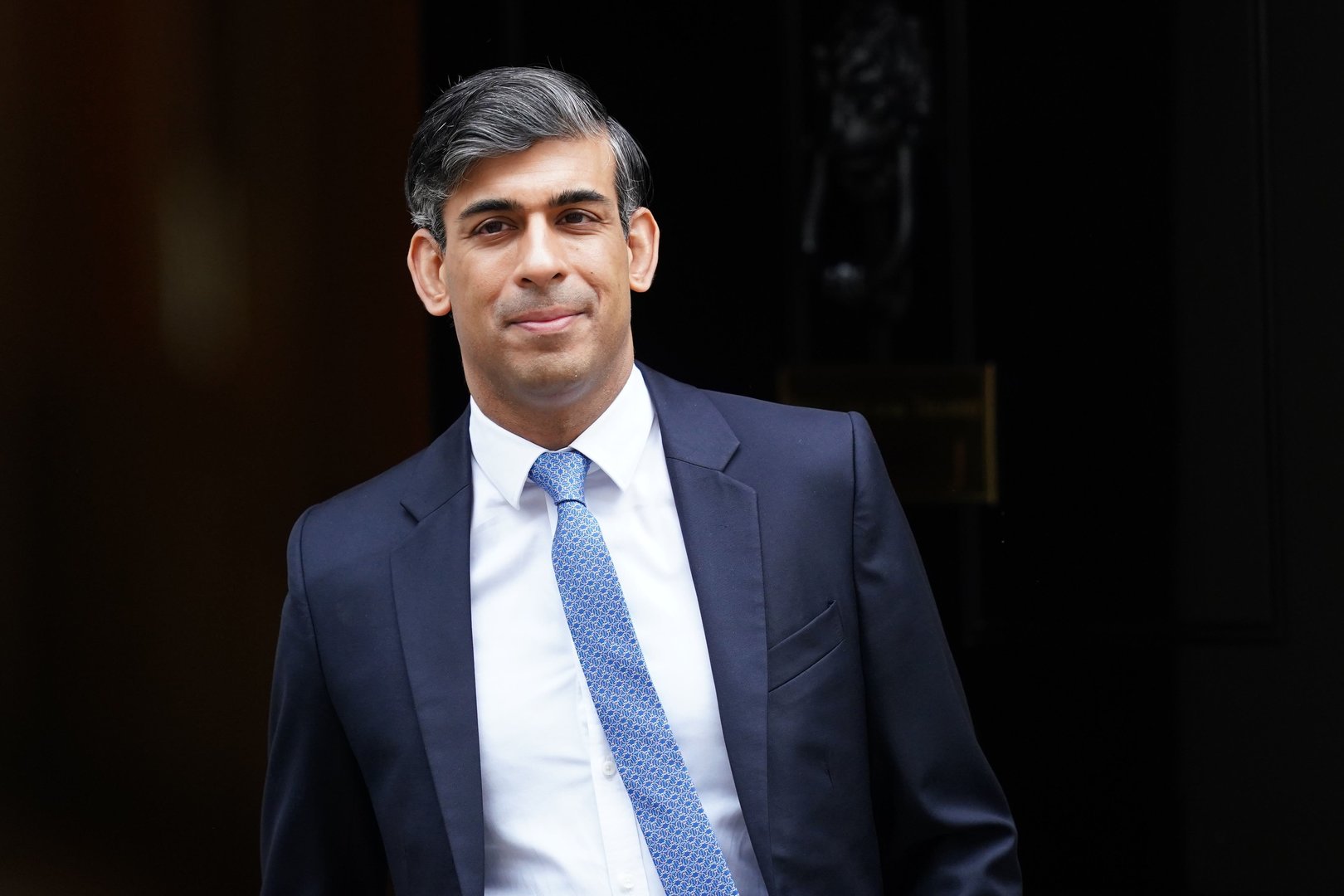
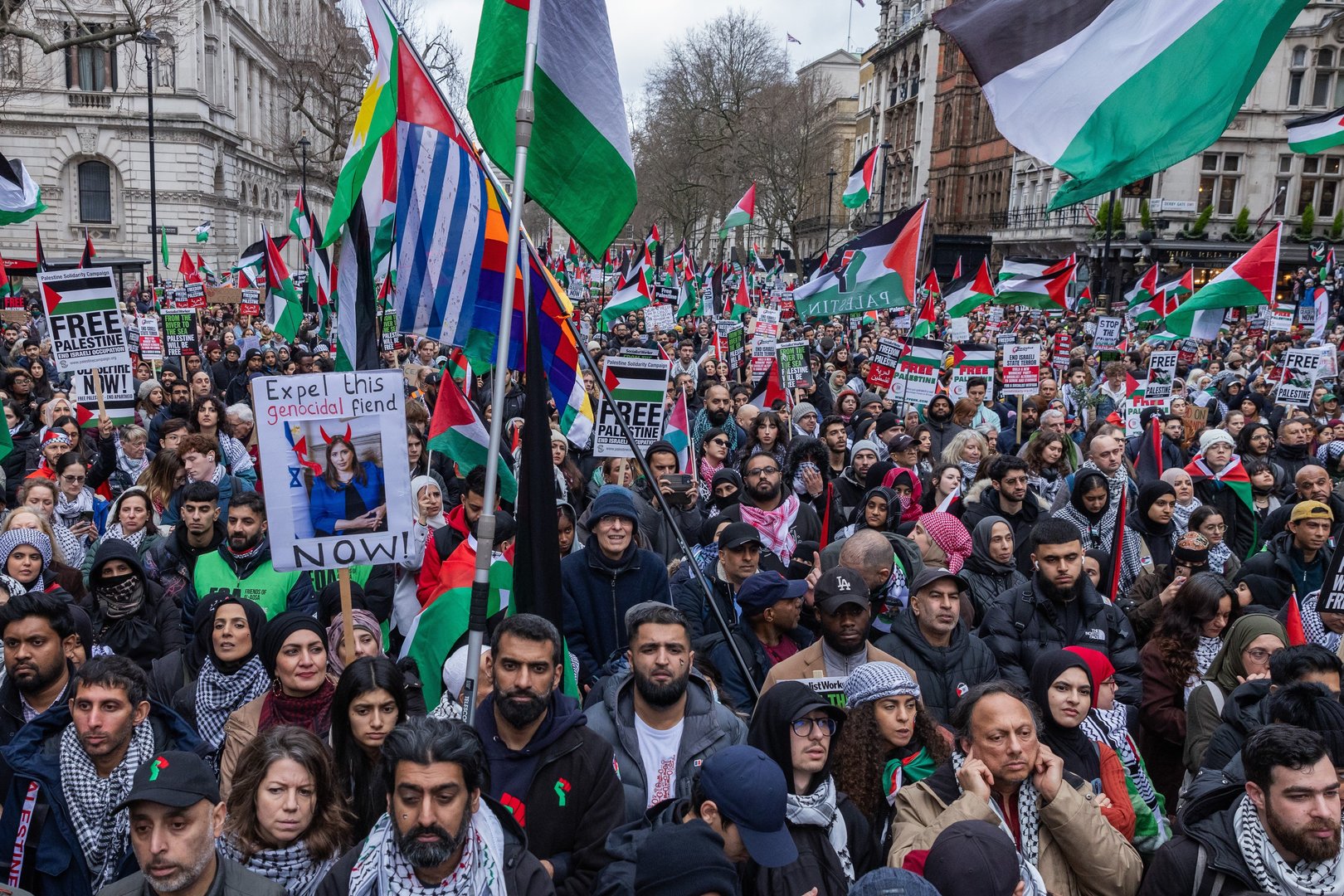
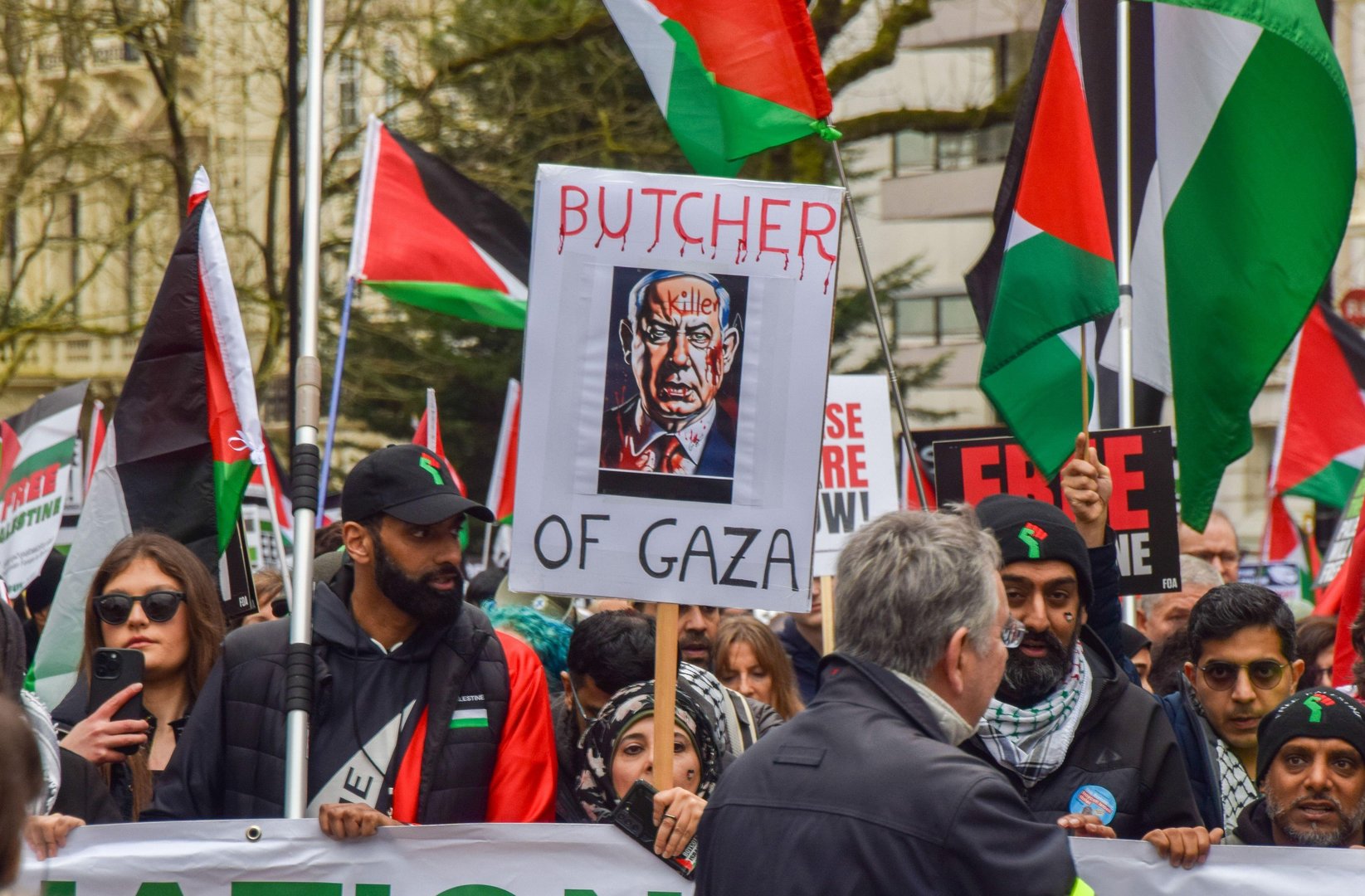
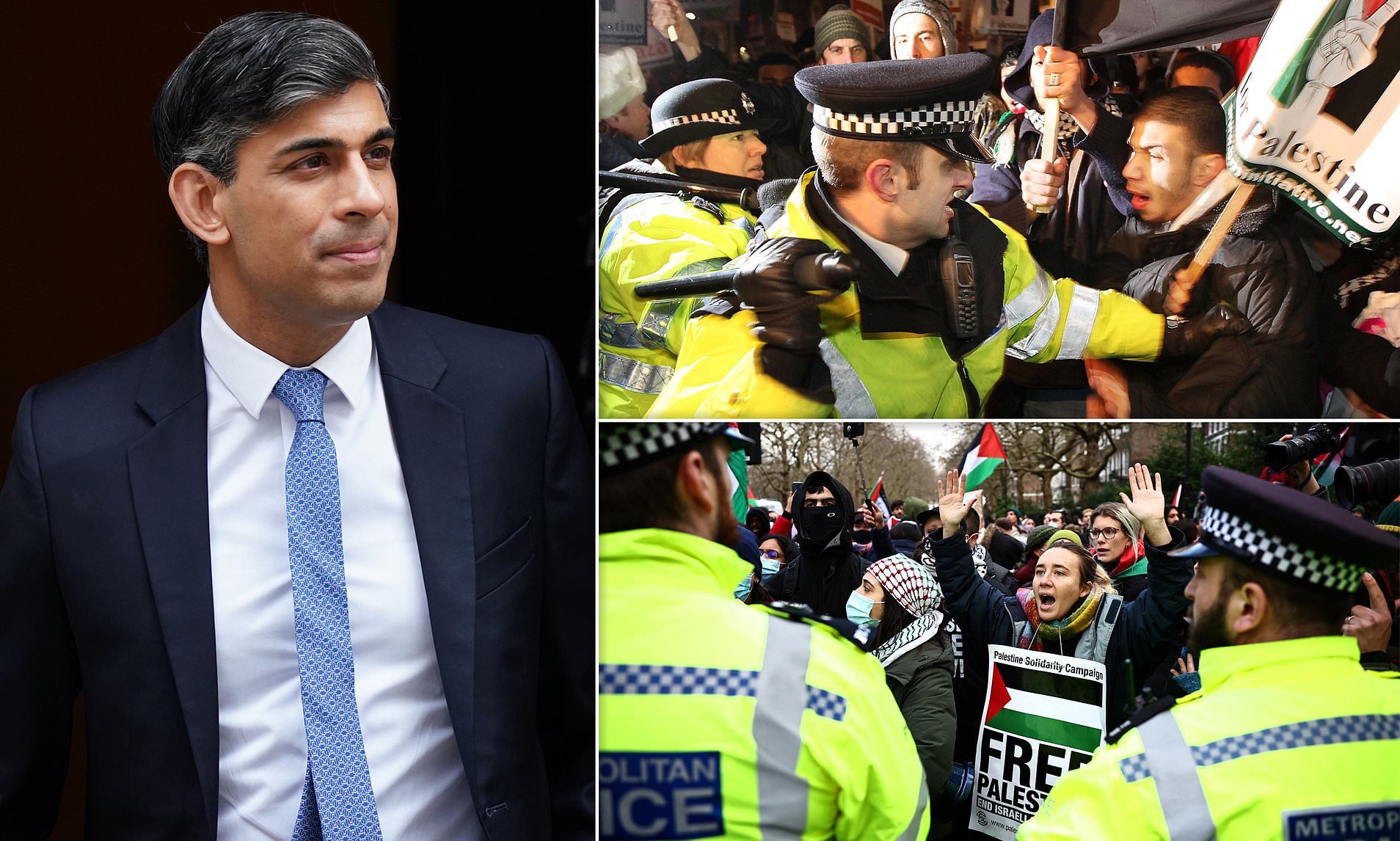
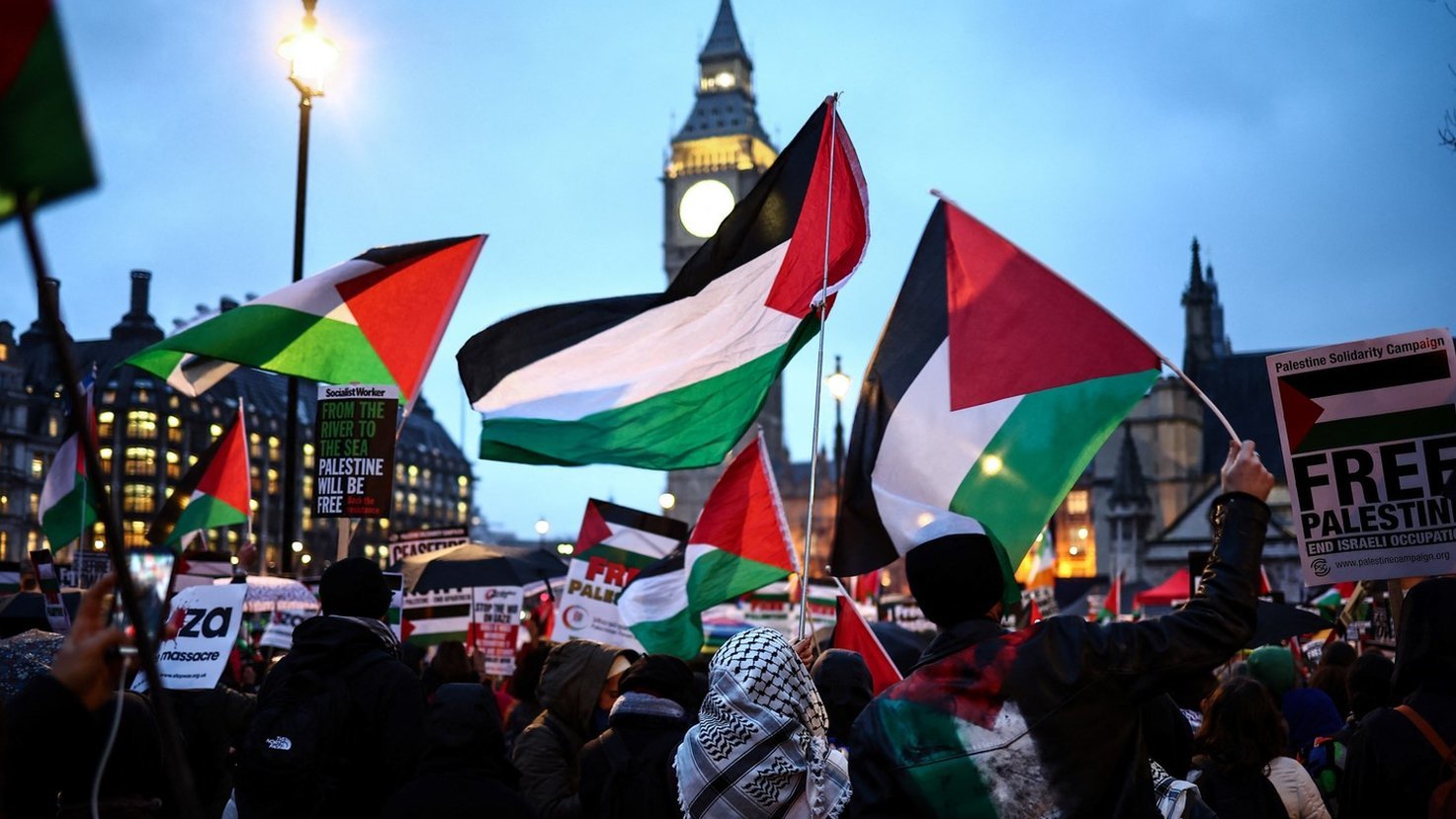
Following the Home Office's announcement of a £31 million security initiative for MPs due to the Israel-Hamas conflict's effects, Sunak has directed police leaders to use their powers more aggressively to address intimidation and threats to democracy. He stressed the importance of public trust in the police and maintaining democratic integrity.
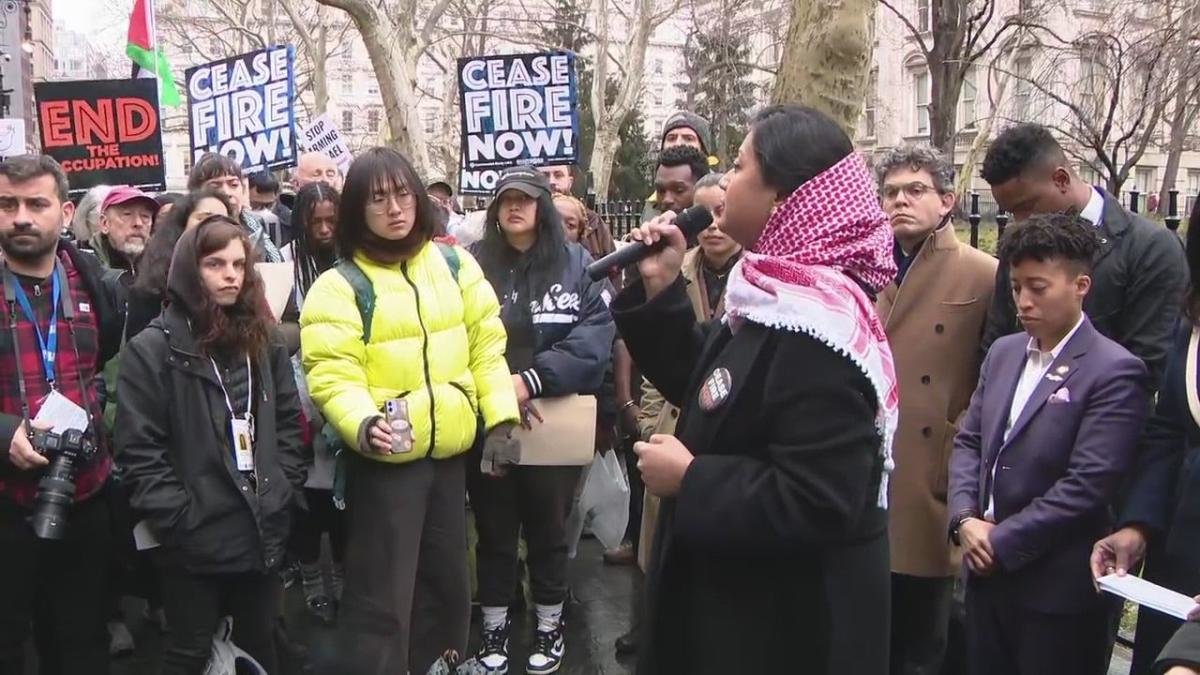
Recent threats to MPs and disruptions of council meetings have raised safety concerns, with last week marking a peak as Speaker Sir Lindsay Hoyle referenced threats in his management of the debate on the Israel-Hamas cease-fire.
The Home Office advises that protests at MPs' residences should generally be seen as threatening and warrant immediate police response. The document issued warns against the targeting of MPs’ homes and halting of council meetings, declaring such acts undemocratic.
While the Palestine Solidarity Campaign supports the right for peaceful protests outside MPs' offices and council buildings, it does not endorse protests at their homes. The Labour Party agrees with the proposals but criticizes Sunak's choice of words.
Donna Jones, chair of the Association of Police and Crime Commissioners, believes the police already have sufficient powers and are exercising them. However, former chief police officer Del Babu finds the term "mob rule" counterproductive, suggesting it might incite more protests.
In recent incidents, MPs including Tobias Ellwood and Preet Gill have faced threats, with some even resorting to carrying panic buttons. Justice minister Mike Freer, planning to retire over safety concerns, argues that increased funding for security doesn't address the root causes that embolden such targeting.
Amnesty International UK's Tom Southerden cautions against the corrosion of fundamental rights, stating that recent rhetoric and increased police powers risk undermining the legitimacy of peaceful protest and fundamental freedoms in society.